No.: PET3590
English name: Himalayans
Vulnerability: gastrointestinal disease
Life: 3-4 year Himalayan Tint Xerox Introduction
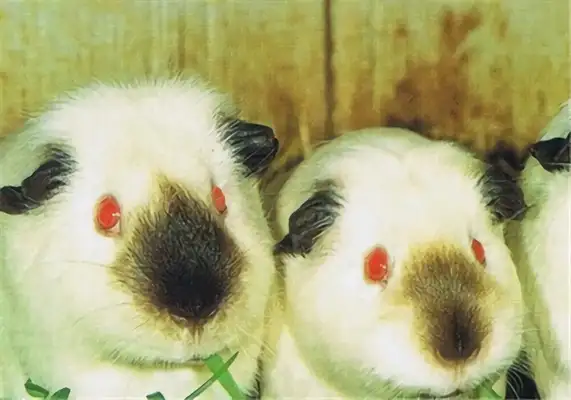
The Himalalayans are fat, but they're very cute, they're rather gentle, they're less timid, so don't deliberately scare them when raising them. They love to eat, to sleep, to reproduce, which is similar to pigs in their usual sense.
Chinese literary name: Himalayan Cortez
English
Context: Animals
Programme: Lactation Programme
Reproductive mode: birth of Himalayas morphology
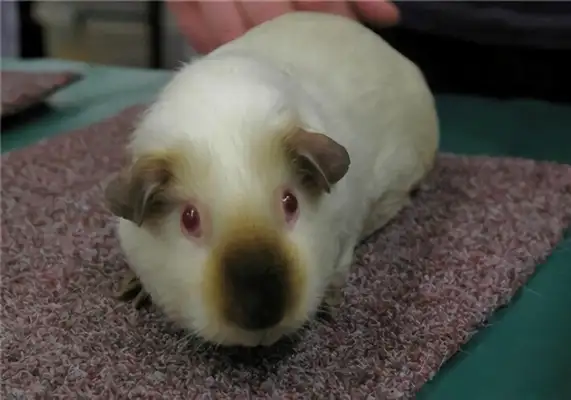
The Himalayas squirms have a very similar shape to pandas, and they are reduced pandas with black noses and ears and white hair. It makes people feel very cute and naughty.
The Himalayas are covered with white hair, and the nose and ears and four feet dark and red eyes. They are 22 to 34 centimetres long, weighing 400 to 700 grams long and round, large, wide and bright, round ears, upper lip splits and small ears; they have short limbs, four toes for the front foot, three toes for the back, and no tails. The Himalayas raised knowledge.
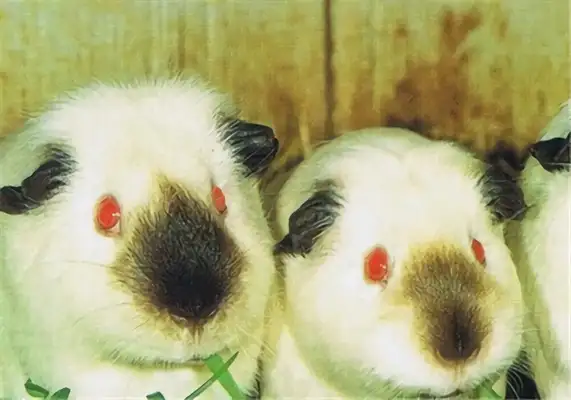
The Himalayan mole, though he looks clumsy, is in fact very smart, and if you see him as a treasure, he will be your lord, and more so in peace with you. It is also expensive and generally acceptable.
It's not so small as a mouse, it's not as big as a rabbit, it's better to play in the hand. It is clumsy and cute, unlike rats or squirrels, and can't be caught when it runs away. It is very suitable for raising children or elderly people. He does not need professional equipment to raise him. It can grow healthy and happy as long as it prepares a suitable cage that supplies fresh water and food every day, often plays with it, and cleans up its nests regularly. It'll meet you when you get home from work. It'll come running to you for food. The Himalayas.
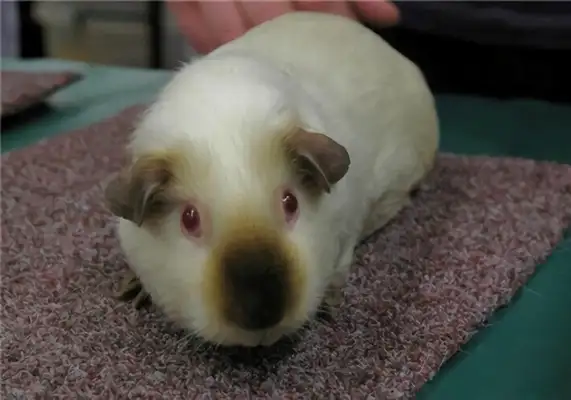
The Himalayas are vegetarians, and Himalayas have no special requirements for food and are not easily ill. It's amazing that a fat body is vegetarian.
The Himalayas rats mainly eat grass, green grass, green leaves, etc. It's about half as big as a feed. The need for growth can be met by crushing corn poles, wheat poles, straws, peanuts, etc. in the winter.