Designation: PET3146
English name: Takydromus Wolteri
Nationality: Northern
Life: 15-year brief on white-collar iguana species
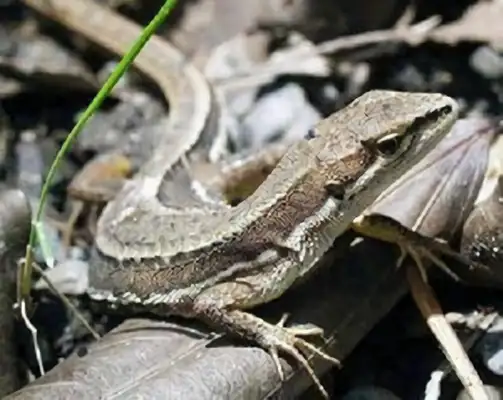
White herbs, Latin called Takydromus Wolteri. It is a very wide-spread snake-free north of the country.
Context: Animals
I can see it.
Yes: Iguana
Cast: White herbs
Chinese: no Chinese
Latin name: Takydromus Wolteri
English name: Mountain mass Lizard
Species naming and age: Fischer, 1885 white iguana exterior characteristics
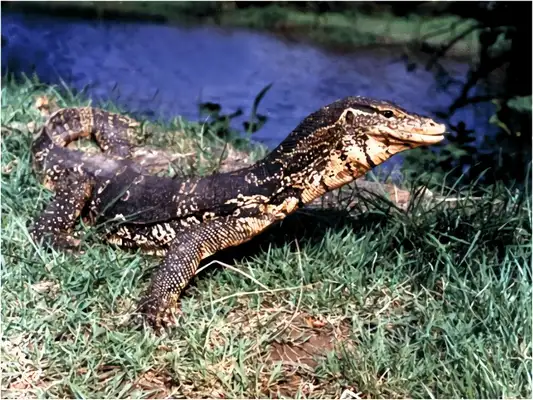
The white iguanas are a species of lizards with many nested eggs for one year, with long and large bodies, a square, smooth and organized in six columns.
The back of the white herbivorous is brown, with a brown or brown wide band on its side and abdomen with white milk. The tail length is at least 1.5 times greater than the length of the head. The center of the back, from the neck to the end, has a door-coloured stripe with no armpit. The front of the back ridge is small and weak, the limbs are covered by the upper arm, the lower arm and the inside side of the hip, and the chest and the front abdomen. The point of white weeding.
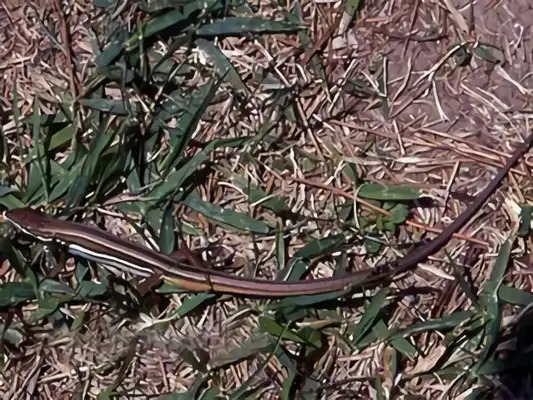
The white iguanas are used by many biologists as research objects, but there are also many players as pet lizards. White iguanas prefer to live in trees, shrubs, etc., so that their biological characteristics should be respected when raising them.
I. Feeding boxes: Larger and small ones may be chosen because they do not like to climb up (e.g. ordered wooden cabinets, glass rearing boxes).
ii. Basement: juvenile sand (e.g. reptile sand, calcium sand) and gravel should have a minimum thickness of 2 “-4” because they like to dig holes.
III. Activity time: daytime; 12-14 hours of direct sunlight exposure, or UV lighting equipment (e.g. UV tubes 5.0, strong UV lights). Environmental requirements for white herbivores
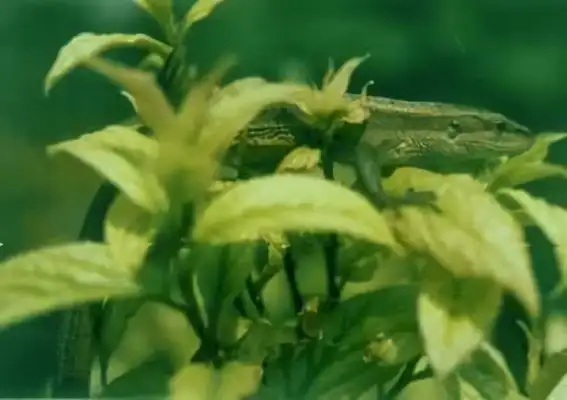
According to the information, white herbs are mainly distributed in parts of Korea, Russia and mainland China, and they have some medicinal value, so to raise the white herbs properly requires attention to whether the white herbs' breeding environment meets the requirements of the wild environment.
Temperature: Temperature: 33-35°C - point of light (e.g. solar lamp) 25-27°C - day (e.g. day blue lamp) 18-24°C - night (e.g. night red light, infrared heat light, ceramic heater).
Humidity: 25%. Place of hiding: Artificial caves (e.g. tree caves, hot caves) can be used, etc. Iguana feeding characteristics
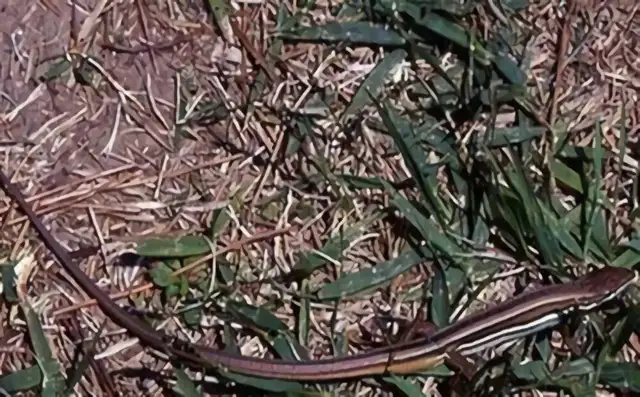
Due to the medicinal value of white herb iguanas, artificial domestication is common. White herbivorous intoxicants have the effect of living blood, hysteria, cough, etc. So, what kind of food should we feed the white iguana?
Since white lizards belong to small lizards, they can be fed on the basis of the food of small lizards. Insects can be used as staple foods, and proper feeding of vegetables can help to achieve a more balanced nutrition of white iguanas.