Designation: PET2255
Vulnerability: digestive diseases
Life: Overview of snow squirrel species 5-6 years
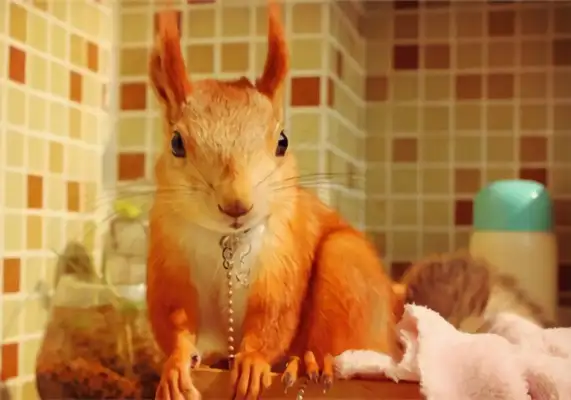
Snow squirrels can see their economic value from the outside to the interior, and their hair can be written, brushed, meat can be eaten and skin can be made of fur. The most important thing is that the snow squirrels are very fresh, have a gentle temper, and many people are willing to raise it as a pet.
Chinese literary name: Snow squirrel
Context: Animals
Gate: Pipeline gate
Programme: Lactation Programme
I'm not going anywhere.
Sub-Saharan Africa: Sub-Saharan Africa
C: Squirrel
Aco: Squirrel Aco
For: Squirrel
Squirrel of snow
Region: Eurasian continent
Reproduction mode: foetal snow squirrel morphology
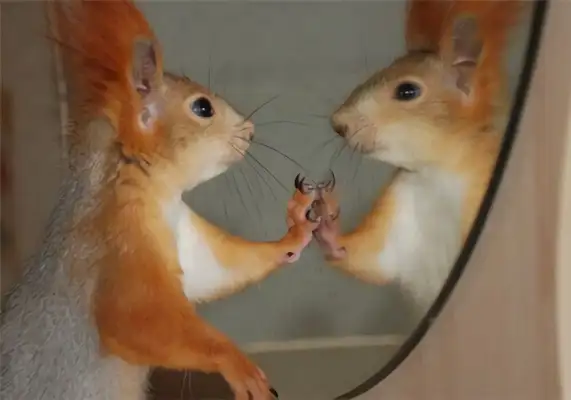
Snow squirrels can also change their hair color in different seasons, and a loose and long tail as squirrels is essential. The limbs are long in length and length, but the front limbs are shorter than the back.
Snow squirrels have more developed ear casings, eye-opening for front-cuts and a bunch of black long hair beams for the winter ear. The entire back is brown and gray on the side and outside the limbs from the end of the kiss to the tail. The abdominal is from the lower collar to the tail, and the insides are white. The back and abdomen of the tail are brown and black, fury-based gray and hairy brown. The kisses, the cheeks and the lower cheeks are covered in back colours, but they are gray, black and gray, and they contain large black hairs. Individual hair colours vary widely, ranging from grey, grey, brown gray, dark gray and black brown. As the region varies, so does the hair color, as in the case of the Liaonin squirrel, which is darker in the south of the country. In addition, hair colour is affected by the seasons, winter ash or brown, and summer ash or brown. Snow squirrels raising knowledge
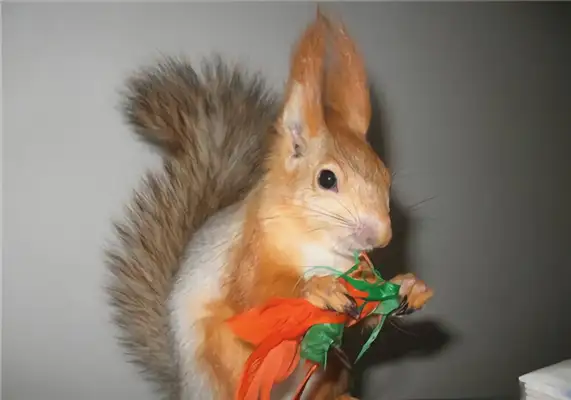
Snow squirrels raised in the north need to be careful to stay warm during cold seasons, especially at night, when too low temperatures can easily make the snow squirrels sick, adding more mats to their nests before sleeping, to remember to change in the morning and to improve the air during the day.
After the end of the month, mice need to be aware of summer cooling during the day, and heat caused by too high temperatures is fatal for squirrels. He could take measures to keep indoor air flowing, place bottles with cold water in cages during the day, place a tile, etc., which he felt too hot and then lay himself on to cool, all of which could prevent heat and heat. Snow squirrels feed the order.
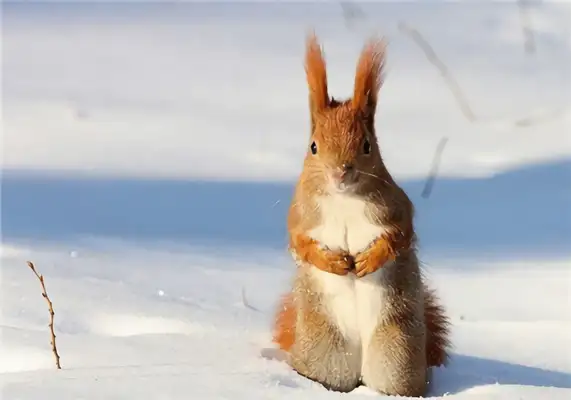
Snow squirrels do not have special dietary requirements, food choices can be diversified and need not be too monolithic, and snow squirrels, like other pine trees, love nuts such as walnuts, chestnuts, etc., which should be regularly fed in order to prevent the growth of quilts.
Home-grown snow squirrels tend to feed on the seeds of herbicides, but also on a considerable amount of insects in nature, and it is therefore preferable to feed animals as well. Food such as apples should also be supplemented if artificial feed is the staple. The summer and autumn seasons are also used to feed some food, such as cucumbers, tomatoes and watermelons.
Feeds for snow squirrels are mixed feed, coarse feed and green green and juicy feed.
Combination feed: consists of barley, wheat, maize, soybean and mosaics of 25 per cent barley or wheat, 20 per cent maize, 15 per cent beans, 10 per cent soybeans, 20 per cent drums, 6 per cent fish powder, 3 per cent bone powder and 1 per cent salt.
Coarse feed: mainly peanuts, sunflowers and walnuts.
Green and juicy feed: cabbage, carrots, oils, sauna leaves, green leaves.
Feeds per snow squirrel are fed about 30 grams per day of mixed feed, 200-250 grams of coarse feed, and 150-200 grams of green and juicy feed. It is necessary to feed three times a day in the morning, middle and late, and to fix the feeding points daily.