Designation: PET2075
English name: Senegal Parrot
Vulnerability: digestive diseases
Life: 5-6 years, profile of parrot species in Senegal
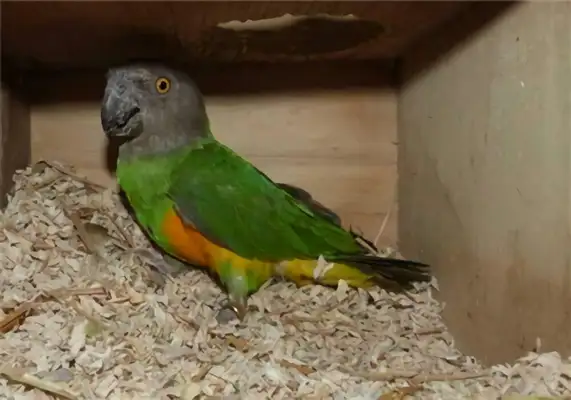
Senegalese parrots are typically found in West African countries, with an average life of about 30 years, and young birds can learn to speak. Females and males are identified as having to be professionally identified as the victims of agriculture, often eating crops such as corn, small-earth rice and peanuts from their fields.
Chinese literary name: parrot of Senegal
English name: Senegal Parrot
Two words: Poicephalus senegalus
Context: Animals
Gate: Pipeline gate
Programme: Birds
Look: Parakeet.
Section: parrots
African parrots
Asian: 3
Distribution: morphological characteristics of parrots in Senegal, Guinea
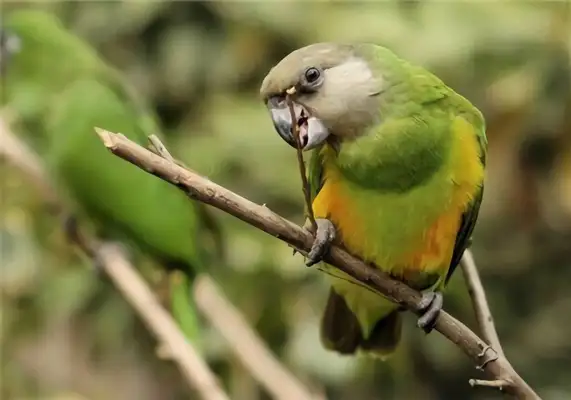
The ideal length of a parrot in Senegal should be around 23 cm, and the ideal weight should be around 155 g. It is said that females and males are identified as being in need of professional identification, but they are usually distinguished by the colour of the feathers, with the tail of the male being yellow at the end, and the mother being yellow and green.
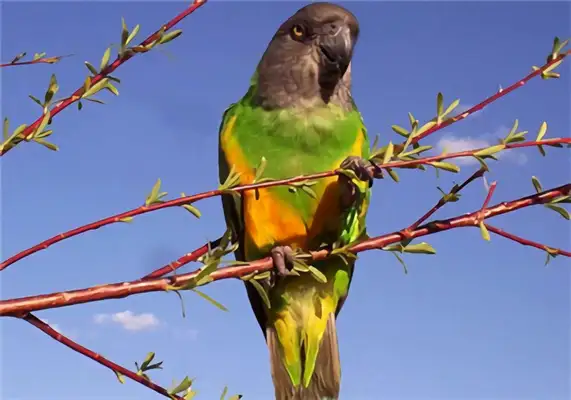
Senegalese parrots have a very beautiful hair colour, a green bird body, a dark gray head and a silver earring belt; orange yellow feathers with a V font on the lower chest and abdomen; bright yellow in the inner wing and inside the tail, and brown green in the tail; black in the beak; and yellow in the iris. There are three sub-species, and the plume difference is the difference between the yellow, orange and red fonts of V in the chest and abdomen. Living environment of parrots in Senegal
Since the parrots on the market are the parrots of Senegal, special care should be taken when purchasing them, which are mainly located in open grasslands in the wild and often below 1,000 metres above sea level. It would be preferable for family-fed parrots in Senegal to start raising from an early age.
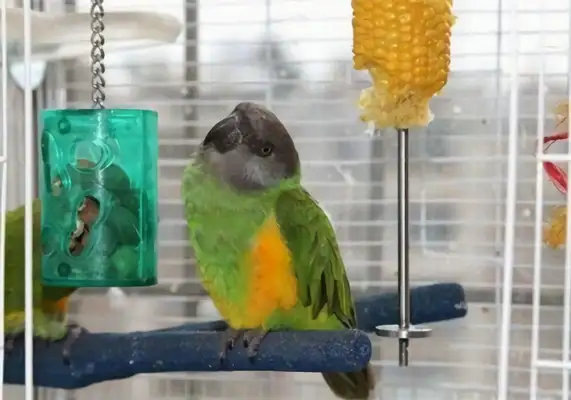
In Senegal, young parrots are suitable for domestic pets, quiet and capable of imitation and speech, are small in size, need not use too many cages, are less spatial, but need to grow out of their activities to increase enough activity, and are prone to stress and anxiety when birds are introduced into breeding, especially when people are close, quiet and quiet, prefer to chew, branches and toys to meet their needs, regular bathing or spraying of water can make feathers beautiful and healthy, and when they are raised, they are well-adapted. Knowledge of parrot breeding in Senegal
The people who raise the parrots of Senegal have different purposes, some for the purpose of watching, others for the purpose of breeding, and, when it comes to reproduction, we have to understand how the parrots of Senegal reproduce and the requirements of reproduction.
In Senegal, parrots reproduce in the form of eggs. The reproductive period varies from one nest to another, with about 3 to 4 eggs, with an incubation period of about 25 to 28 days, with about 9 to 10 weeks of feathers growing, mainly during the wet season in dry areas, to longer periods in more humid areas where nests are built in caves more than 10 metres from the ground.
In Senegal, parrots are rare in reproduction, probably mostly wild parrots, but artificial procreation is not too difficult, and once adapted to a stable reproductive outcome, they are about two years old, or even earlier, but, like most African parrots (e.g. Meyer parrots, red parrots, Justin parrots, etc.), they do not begin reproduction until they reach the age of three or four, and it is desirable to provide more soft food (e.g. fruit, cooked cereal beans, etc.) to feed their relatives. I'd like to talk to you.
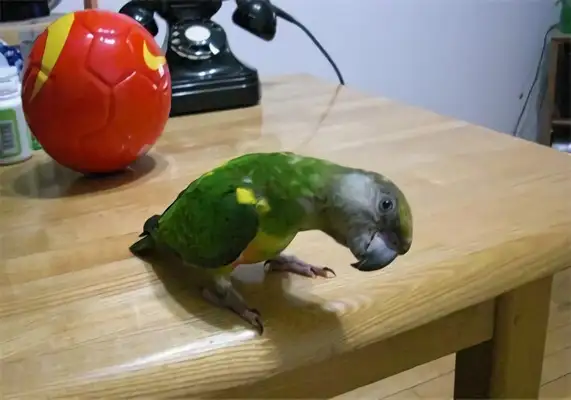
The most remarkable place for a parrot in Senegal is his colourful feather, which is so refreshing. The gross amount of parrots in Senegal depends on the nutrients of the feed that the feed feeds. The parrots of Senegal belong to the caterpillars, and in the wild the crops in the fields are their favorite.
The most nutritious food for a parrot in Senegal is, of course, feed, but corn, rice, peanuts, seed seed, sunflower seeds can also be its daily food. The powder is evaporated with corn paste or mixed fabric. Small amounts of fruit and vegetables are supplied daily, and one fresh meal or honey, honey, etc. should be fed daily. The proportion of peanuts, wheat seeds and sunflower seeds should be increased during reproduction and winter. They often feed fruit or vegetables.