Friends who had fish for some time knew that the old three were changing water, heating, salting and treating most fish diseases. With the development of the aquarium, there is an additional “explosive oxygen”, which we call a new four. Today, we'll take a closer look at the scientific effects of these techniques.
First, water exchange, which is intended to rapidly dilute harmful substances such as bacteria and nitrate in water, can temporarily reduce the burden on fish, especially in the face of inadequate nitrification systems and poor water quality.
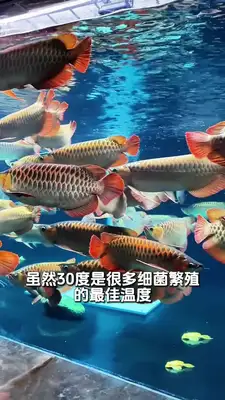
Secondly, warming, using the three olds, raises water temperature to 30 to 32 degrees. Although 30 degrees is the best temperature for many bacteria to reproduce, this temperature can also increase the immunity of fish and promote their metabolism, thereby protecting them against bacteria.

Thirdly, we have a normal salt concentration of about 4 per cent, which does not actually have the capacity to cause bacterial disease. The real effect is to regulate oscillation pressure, with salt levels in freshwater fish fluids higher than in the environment. Because of oscillation pressure, water enters fish through their surfaces and is eventually metabolized from the kidneys, so freshwater fish never drink water, but only control the amount of water entering through surface slime.
But when the fish get sick, the viscous fluid is damaged. In order to prevent excessive water from entering the body, fish produce a large amount of mucus, which increases the burden on the body, creating a vicious circle. The purpose of salting is therefore to reduce water penetration and reduce the burden on fish.
Fourth, oxygen blasts, three types of warmth and salt lower the capacity of the fish tank, and it's natural that it's going to be filled with oxygen.
Another oxygen-rich environment for sick fish can reduce the burden on the cheeks. In general, these methods do not have the effect of microbicide, but rather of using some physical effects to reduce the burden on fish bodies, combining them with their own self-rehabilitation capacity to achieve cure.
The advantage is safety, with small side effects, to cope with most common fish diseases. The disadvantage is to slow down.
If there is no improvement in the week or so, the use of specialized drugs needs to be expedited. It is hoped that today's content will help you understand the new fish breeding and, if you think it's useful, please pay attention.