Lizard Sunshine Guide: the benefits and risks of ultraviolet light
As pet conservationists, it is clear what UVs do to lizards and how they are scientifically exposed to them that is key to maintaining health and vitality. The UV is divided into UVB and UVA, which have different but equally important effects on the body and behaviour of lizards.
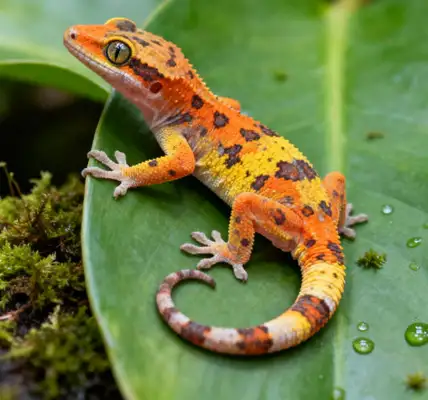
Focus on the role of UVB: Promote skin synthesis of vitamin D3, assist calcium absorption, participate in the healthy development of bones and crust, and contribute to modern metabolism (MBD) when lacking. The role of UVA: to improve appetite, courtship, daily activities and day and night rhythms, contributes to the mental state and social behaviour of lizards. The combination of light and temperature: the light of the Sun balance determines the ability of lizards to metabolize and digest. Inadequate or excessive light can pose health risks. Light source and cycle selection: Optimal UVB/UVA integrated lamps, following plant descriptions or species needs and avoiding self-assembly. Lights are regularly replaced to maintain spectral stability. Long exposures and rhythms: The total sunlight of the day is usually 12-14 hours, and the time of the direct exposure of the UVB is combined with species, age and health, usually with short exposures in a segmented form, avoiding one-time long direct exposure. Observation and adjustment: periodic examination of weight, appetite, shell/skeletal state, defecation and behavioural changes. In the event of an anomaly, the intensity, distance and duration of the light are adjusted in a timely manner and medical treatment is sought if necessary.
Benefits and risks: The right UVB maintains the calcium balance and promotes bone health; the UVA contributes to normality of behaviour and stress management; the right light also helps the lizard to maintain vitality, appetite and daily rhythm. Risks: Excessive exposure to exposure can result in eye irritation, skin burns, dehydration, etc., and long-term exposure can result in eye damage and stress; inadequate exposure can induce health problems such as MBD, crust softening and growth stagnation.
Suggested measures to select equipment: Prioritize the use of dedicated reptile lamps with UVB (290-320 nm) and UVA (320-400 nm) bands, with interfaces suitable for aqueous tanks or closed environments. The lamps should be able to adjust their height to make light gradients. Distance and strength: The height of the lamp tube shall be adjusted by the manufacturer's direction or by means of the UVB strength test to ensure that a clear "hot zone UV" gradient is formed in the sun. To avoid UV light coverings or box covers. The light cycle: 12-14 hours of light during the day and reduced temperature at night to simulate natural day and night. The UVB exposed area can be exposed daily, depending on species and age, for a total duration, usually 2-6 hours, avoiding one-time long direct exposure. Temperature and environment: Temperature is mostly 35-40°C (specified by species) in the Basking area, with surrounding ambient temperatures of 24-30°C down to 18-24°C at night; humidity is adjusted to the variety needs to avoid over-dry or overwet. Nutrition and supplementation: if LED/UVA lamps are insufficient or lizards are at their peak, use as described in feed and vitamin D3/calcium supplements, avoiding overdose D3. Regularly fed calcium-containing powders, with D3 supplementation frequency for part of the period less than daily feeding. Monitoring and maintenance: weekly documentation of body weight, appetite and activity levels; periodic examination of crustacean hardness, teeth, bones development; light source checks every 6-12 months, UVB lamps replaced within the recommended time frame of the manufacturer to maintain an effective spectrum.
A complete set of responses (step list)1 Species and Stages Assessment: Identify the strength of the iguana's UV demand, consider the special stages of larvae, adult form or pregnancy, and consult veterinary or senior breeders as necessary. 2) Equipment preparation: purchase of UVB/UVA lamps, stubbles, tatterable tans, lamps, thermo-wetometers, timers and (optional) UVB strength testers. 3) Layout: Establishment of a distinct “basking area” and a cool area in the rearing box to ensure that lizards are free to switch back and forth. The UVB light source should cover the sun, form gradients and avoid blind pursuit. 4) Light and Temperature Control Program: sets the 12-14 hours of light per day, the UVB exposure segment has a total length of 2-6 hours and the temperature of the basking area is adjusted to species needs. Temperature at night to ensure sufficient rest time. 5) Daily execution and maintenance: the lamps are scheduled to be turned on/off, the lamps are regularly cleaned, the lamps are checked to avoid burning as a result of prolonged daylight exposure; the lamps usually need to be replaced once in 6-12 months to maintain spectral stability. 6) Nutrition and health monitoring: adjusting the usage and frequency of calcium powder and D3 supplements in conjunction with UVB exposure; observing changes in body weight, activity, shell shape and appetite, and finding extraordinary and timely medical access. 7) Dealing with sudden-onset situations: if a lizard escapes the sun for a long time, loses weight, is weak in his neck muscles or has eye abnormalities, temporarily reduces or suspends exposure to UVs, replaces them with a cold zone, where necessary, for consultations. 8) Cautionary options for outdoor sun tan: When weather is stable, the environment is safe and lizards can be placed in escape- and fall-proof containers, short-lived outdoor sun tans may be considered, but direct heat tans are avoided and temperature and safety are always monitored.
Take the right rhythm and the lizard will give you a better attitude. Scientific exposure to UVs is not simply “more than good” or “less than nothing”, but rather a comprehensive system that enables lizards to grow healthy in comfortable temperatures, stable spectral and regular day and night rhythms. If you have specific needs for the lizard species you raise, it is advisable to develop a personalized light programme based on the habits of their natural habitat, with the advice of a professional veterinary.