A complete plan for the reptile safe water.
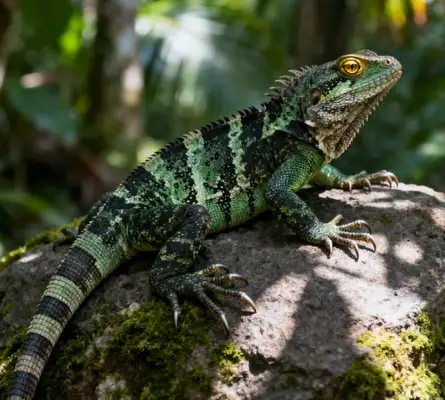
Water is the basis for the reptile of life, and the water is not just “put it a bowl of water”. Different varieties of reptiles have their own requirements for humidity, drinking water and water quality, and are vulnerable to respiratory infections, skin problems and even to growth and vitality. The following is a systematic response to help you make the reptile safe and comfortable in daily maintenance.
The demand for content focused on drinking water and moisture varies according to variety and needs to be judged in combination with the living environment and feeding patterns. Water sources must be clean, non-polluted, using chlorine-treated water, periodically replaced and containers kept clean. Water basins and moisture control tools (sprays, wet tanks, aerosols, etc.) are required to increase water intake and skin humidity. Observe signs of dehydration and establish records for early detection of problems and, if necessary, for consultations. Gradual adjustments to avoid one-time changes in humidity or water temperature to prevent stress and digestive system anomalies.
Recommended water sources and drinking water: Select non-polluted static water, normal or mild temperatures after chlorination and avoid cold water irritation. Water basins should be cleaned and replaced daily to avoid residual food shredding and algae. Water basin settings and depths: the basin should not be too deep to prevent the risk of water swallowing; the level of the basin is consistent with the height of the reptile head, allowing for drinking and wash-face drinking water. For species that prefer to operate in water, a shallow water zone is appropriate. Spraying and humidity management: For reptiles requiring higher humidity, spray can be sprayed during the day or wet boxes, wet rooms can be built. Spray intensity must be moderate to avoid suffocation caused by water accumulation and dripping in the nose and mouth. Oral refilling and water feeding aids: For individuals who are temporarily reluctant to take the initiative, a thin drip tube may be used to feed the water slowly along their mouths, or a special reptile Electrolyte liquid may be used to dilute it with instructions. It is forbidden to force water in order to avoid vomiting or snorting. Environmental humidity and temperature: Maintenance of the egg temperature gradient and relative humidity, giving reptiles the opportunity to drink water in the dry zone and water in the wet zone. There are different types of wetting needs, with higher vagaries for coral iguanas, iguanas, etc.; iguanas, etc., are more dry, but still require regular spray. Health monitoring and documentation: daily recording of weight, vitality, eating, defecation, humidity of eye and mouth mucous membranes, skin tension. If skin wrinkles, eyelids collapse, mouth drying, water denial, etc. occur, the humidity needs to be increased and treated as soon as possible. Safety and first aid borders: Immediate medical treatment in the event of vomiting, respiratory difficulties, extreme sleep addiction. A simple water log and first aid contact information can be prepared at home to facilitate rapid assessment of the emergency level of the operation.
Complete response (step-by-step) 1) Assessment and target setting, based on the type, age, body weight and activity level of your family ' s reptile, preliminary setting of daily water intake and humidity target ranges. Preference is identified for drinking water: water basins, spray, wet tank aids, or combinations.
2) Environmental rehabilitation and water preparation for a clean water basin, with a slight rise in the edges, with a clear distinction between dry bottom and wet. Ensure that water basin locations are not easily overturned and clean. Choosing treated drinking water with 24-hour static removal of chlorine gas to avoid water quality stimulating respiratory and oral tracts. Where possible, prepare a wet tank or wet room (for high-wet requirement varieties) and put air holes to prevent suffocation.
3) Daily water management and water feeding strategies replace drinking water on a daily basis and wash and change water immediately if the water basin is contaminated or confused. Day time sprays of 1-3 times and single sprays of 5-10 minutes in order to avoid the long-term presence of droplets in inappropriate places. For individuals who do not have active drinking water, light contact angles are used to guide droplets into the mouth or to feed them with electrolytic oral fluids to observe the response and absorption. For wet scenes where assistance is needed, consideration is given to short-term bathing periods (normally not more than 10-15 minutes of immersion, with water depths covering only the neck or chest) with water temperature approaching the temperature of the body and immediately drying and returning to the original environment.
4) The day-to-day management of humidity and climate control sets a target range for humidity by species, with a time-based measurement of relative humidity to avoid excessive or too low. For high-wet varieties, ensure good drainage and ventilation to prevent fungus and respiratory infections. Low-wet varieties still need cyclically increased humidity, but do not cause skin diseases or fungi infections due to excessive environmental humidity.
5) Monitoring, recording and establishing simple records for medical judgement: date, weight, amount of water fed, number of sprays, humidity, active drinking water, signs of dehydration. In the case of marked loss of body weight, reduced skin elasticity, visible dents in eye dens, persistent water deprivation, respiratory difficulties and marked reduction in vitality, priority is given to the examination and rehydration treatment at animal hospitals.
What if you don't drink water? Attempts to place water basins in active areas, using warm water or micro-temperature water, while feeding them, gradually increase humidity and, if water is still denied for 3-4 days, an assessment should be made of the existence of oral, dental or digestive system diseases. How do we avoid drowning or strangulation? The water basin should not be deeper than the height of the pedestal, the water should not have large waves, the water should be given softly, and the chance of the pedal being free to leave the water. Do you need a long-term high humidity? Not all reptiles need to be wet for a long time. Adapting to species characteristics, ambient temperature and activity patterns to avoid respiratory and skin problems due to excessive humidity.
The conclusion is not a single-point operation, but rather a system project closely linked to habitat design, feeding habits and health monitoring. Patience, careful observation, careful recording and scientific adaptation will allow the reptile to grow in a safe and comfortable environment with sufficient moisture and health. In the event of a continuing anomaly, do not hesitate to seek the help of a professional veterinarian as soon as possible. Through such a comprehensive response, your reptile not only fills the water in time, but also feels valued and cared for in daily care.