The constipation of leopards is one of the common health warnings for pets. If not properly addressed, problems such as water accumulation and intestinal barriers escalate, threatening its vitality and life. In day-to-day conservation, early identification of signs, scientific adaptation of the environment and diet are key to its smooth defecation. The following steps range from a focused content, implementable measures to a comprehensive response to help you safely to defecate the palace.
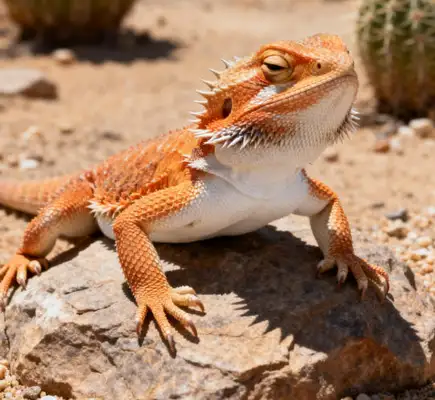
The typical symptoms of content focus are: a marked decline in the frequency of defecation, which results in dryness, formation or granular form; abdominal swelling, pressure, scratching difficulties on the ground; reduced appetite, reduced activity, and fluctuations in body weight; and vomiting or continuous incontinence in extreme cases. Incentives and risks: chronic low temperature gradients, low humidity, inadequate water intake, insufficient water content for hunting prey, over-fed drying or over-heavy prey, easy ingestion of base materials leading to intestinal congestion, inappropriate management of wetness during hair exchange periods, etc. Important principles: Avoiding forced irritation or medical self-help; prioritizing adaptation to the environment and feeding patterns, with veterinary assessment and development of treatment programmes where necessary.
The recommended measure is ambient temperature and humidity: the temperature of the heating end is maintained at around 32°C and the cool end is maintained between 22 - 26°C, creating a good temperature difference. The ceremonial preference for a dry environment is maintained at around 30-40 per cent daily humidity and can be increased at short intervals during hair exchange periods or when required, while avoiding skin problems due to chronic high humidity. Drinking water and water intake: ensure a clean water source on a 24-hour basis, not too deep for owners to observe and clean up. Water intake can be increased by feeding prey with higher moisture content (e.g., locusts fed by fresh vegetables, insects fed by gut-loading) with a balance between total calorie and fat intake. Eating structure and usage: The principle of diversity and digestability is that adult palaces are dominated by small insects and avoid over-fat, low-water prey (e.g., large amounts of snails, snails, etc.). The size of the prey is kept as far as possible within 1/2 of the ceremonial calibre of the head diameter. The application frequency of calcium and vitamin D3 should be implemented in accordance with veterinary advice and avoid overdose. It protects and breeds the matrix: it avoids substrates such as granular sands that are easily swallowed. Non-particle substrates such as paper towels, reptile carpets, sterilable mats after washing are recommended to reduce the risk of intestinal congestion. Prevention and day-to-day observation: establishment of defecation records, regular weighing, attention to diet, activity and defecation patterns. Note the wetness adjustment of the sheding phase to avoid defecation difficulties. Accompaniment measures: A short, warm water bath may be carried out when there are signs of slight constipation and no abdominal pain, no apparent inaccuracies (see steps in the “complete response” below). Refrain from using domestic drugs or strong massages to prevent injuries to the intestinal tract.
Complete response (steps) 1) Initial assessment and documentation of symptoms, recent feeding records, environmental humidity, variety and quantity of prey and weight change. Check for signs of visible abdominal abdominal swelling, pain response, denial of food, etc.
2) Temperature bathing and initial agitation pouring into the shallow basin at a temperature of about 29 - 32°C, at depths appropriate for keeping the palace standing and head exposed, and immersing for about 15 - 20 minutes. After the immersion, dry slowly with a clean towel and put it back in the building to see if it was produced intentionally for 1-2 hours. Further assessment should be considered if no visible defecation takes place within 24 hours and the abdomen appear to be bloated and depressed.
3) Optimization of the environment and diet to adjust temperature and humidity: to ensure that the temperature differential is sufficient to avoid extreme temperatures over a long period of time; to increase humidity moderately during a hair exchange period and to provide a wet hideout to help mitigate pressure and moisture loss. Dietary adjustment: Provide high moisture and medium-sized prey in the short term, avoiding one-off feeding of too many dry prey; continue to supplement calcium and vitamin D3 as planned and comply with medical orders. Undergrounds and sanitation: ensure internal cleaning and avoid shredding or grain mixing cavity or digestive tracts.
4) The observation period and re-evaluation should be repeated and re-evaluate the environment and feeding programmes if there is no improvement within 48 hours. Veterinary doctors should be contacted as soon as possible in cases of persistent abdominal pain, poor mental state, refusal to feed themselves. If a veterinary examination identifies a risk of enteric infarction or other causes of disease, treatment is required on the basis of professional advice, which may include medication, rehydration, and even necessary visual examinations.
5) Prophylactic long-term management to establish fixed feeding rhythms and defecation monitoring tables that record the time, sex and frequency of each defecation. Use safe floors to avoid the risk of ingestion; maintain adequate water sources, encourage moderate activity and promote intestinal creeping. Periodic medical examinations are conducted to monitor body weight fluctuations, dental/oral health, crustacean development and plume, and to detect potential health problems at an early stage.