Designation: PET1505
Country of origin: Overview of East African Cape Babu
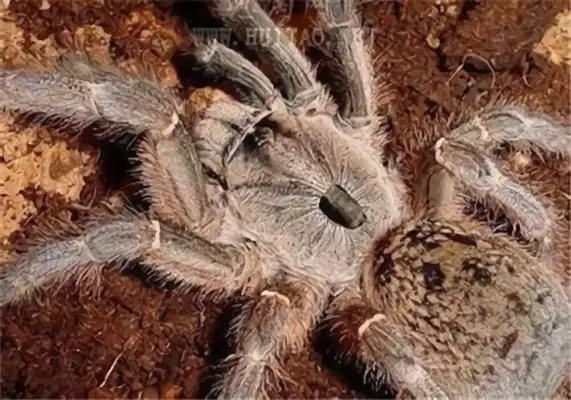
Cape Babu in East Africa belongs to a relatively rare variety in the country, and they are very difficult and toxic to raise and are a challenge for experts. If not carefully observed, the shape of Cape Babu in East Africa is similar to that of the Togolese constellation.
Chinese literary name: Cape Babu, East Africa
Context: Animals
Gates: arthropod doors
Amen. It has the appearance of Babu in the corner of East Africa.
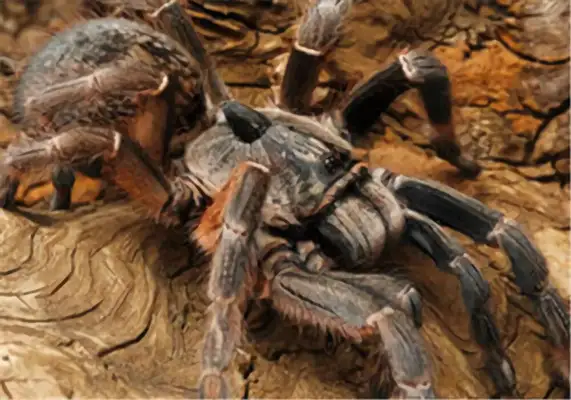
Because of the high toxicity and speed of the Cape Babu in East Africa, it is not suitable for beginners and experts are advised to challenge level players to breed. Since Cape Babu of East Africa is relatively rare in the country, it can be considered a collection.
The corner of East Africa, Babu, is a relatively rare species in the country, with a rough look like the Togo Star, but with a substantial difference in the pattern. Compared to other bird-hunting spiders, the ratio is far more ambivalent and feels like Singapore blue. Cape Babu, East Africa
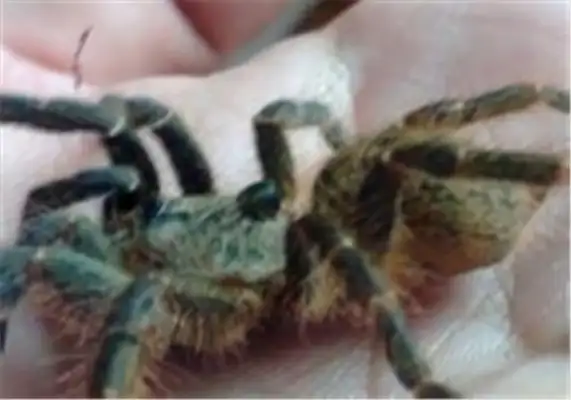
The East African corner of Babu ' s lifestyle is localized and it is recommended to use warm peas, coconut bricks or clay as a base. In Mozambique and Zimbabwe, Cape Babu of East Africa prefers to live 27-30°C; 75% wet.
Because of its high toxicity and speed, the corner of East Africa is not suitable for beginners. The corner of East Africa, Babu, rarely kicks, with a female body length of 7CM; males of 5CM; and footprints of 14-15CM. A higher humidity environment can be provided through rearing, which requires higher ventilation requirements and, ideally, a larger environment. Cape Babu, East Africa.
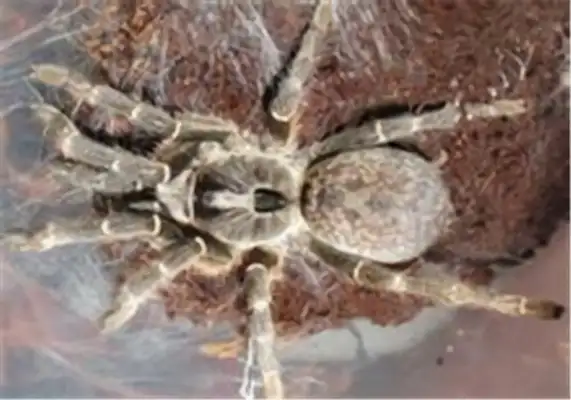
The adult size of the East African Cape Babu is 14-15 cm and the type of life is localized. Because of the high toxicity and speed of the East African Cape Babu, it is not suitable for beginners.
The East African Cape Babu can feed cricket, grasshoppers, locusts, breadworms, etc., and since the East African Cape Babu is a relatively rare species in the country, it can be considered a collection of species that can provide a more humid environment, which is more demanding for ventilation and, ideally, a larger environment.