The summer weather is hot, cats and dogs are restless and aggressive. There have been many recent cases of cat-dog scratches and bites, and the city ' s CDC reminds that rabies are fatal, with a death rate of almost 100 per cent. After being scratched and bitten by animals, the injured must be sterilized and treated first.

Over the years, there have been repeated cases of cat-dog scratches and bites. On 25 May, a 7-year-old girl in Foshan was bitten by a Teddy dog downstairs. At present, the girl child ' s treatment has stabilized and returned to her home for rest and recuperation. In addition, when a woman from Fujian province was out for a walk, she was bit on her back by a roadside wildcat, which caused a fracture in her muscles. Journalists were informed by the City Center for Disease Control that, since 2010, there have been no cases of rabies in our city, but the risk of further cases remains high, with an average of about 500 people being bitten or scratched by animals such as cats and dogs each month.
“The incidence of cat-dog bites and scratches is particularly high in the summer, with more than half of the cases throughout the year.” Li Wenjie, Deputy Director of the City Center for Disease Control, described the heat of the summer, changes in animal sexuality, such as cats and dogs, and the appearance of a series of unusual manifestations such as mild cats and dogs, irritating, irritating, aggressive and even attacking people. In addition, after summer, people are often dressed thinly, and humans are injured when animals bite their bodies.
rabies are acute infectious diseases caused by rabies, clinically manifested in extreme panic, fear of water, wind, light, sound, abrasive muscle spasms, excessive sweat, salivation, etc., almost 100 per cent if infected. A number of citizens had a false opinion that rabies were only contracted when they were bitten by dogs. Indeed, rabies are mainly found in saliva infected with animals, and rabies are likely to be infected when people are bitten, scratched or licked by wild animals with rabies (oral, anal, etc.). All mammals can become rabies hosts, especially carnivore mammals, where dogs, cats, foxes, bulls, aphids, bats are at higher risk.
According to Li Wenjie, rabies generally have an insulation period of between two weeks and three months, rarely more than one year. Generally, the closer the part of the injury is to the central nervous system, the shorter the incubation period, and the sooner the rabies are exposed, the better. Vaccination following exposure is the only effective means of preventing rabies. Timely, correct wound treatment and full-scale, regular immunization are largely able to prevent rabies.
At present, rabies can be administered in health centres in our municipalities, while the urban rabies vaccination sites are located in the city ' s Third People ' s Hospital. It is important to note that rabies are and should be administered to all population groups after exposure, including the elderly, children, pregnant women, breast-feeding women, etc., and that rabies vaccination must be timely, preferably within 24 hours.
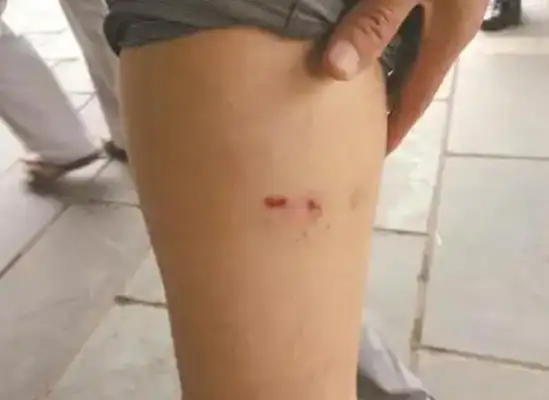
What if you get bit by a cat or a dog?
Step 1: To determine the level of exposure
The rabies exposure level is classified into three levels according to the mode of exposure and severity, of which level I is contact with unharmed skin and does not require disposal; level II is exposure to minor bites, scratches or mucous membranes, at which point vaccination is required; and level III is exposure to severe bites, haemorrhaging or open wounds, at which point not only rabies vaccination but also rabies passive immunisation agents.
When a bite occurs in the head, face, neck, etc., the public should be treated for level III exposure, rabies vaccination and rabies passive immunosuppressants.
Step 2: Washing wounds
Squeeze the blood out of the wound immediately, but do not suck it in the mouth. Sweeping wounds for approximately 15 minutes with a certain pressure of liquid water (e.g. running water) and 20 per cent of soap or other weak alkaline cleaners. After washing, the wounds are painted with 75% alcohol or 2 - 3% iodine.
Step 3: Timely access to health care
The doctor assesses the wound and decides whether rabies vaccine and rabies passive immunosuppressants are needed.