A dog who ate tea eggs ended up with tea alkali poisoning and was taken to hospital for rescue. She would like to remind the dog breeders not to be too soft to affect their health.
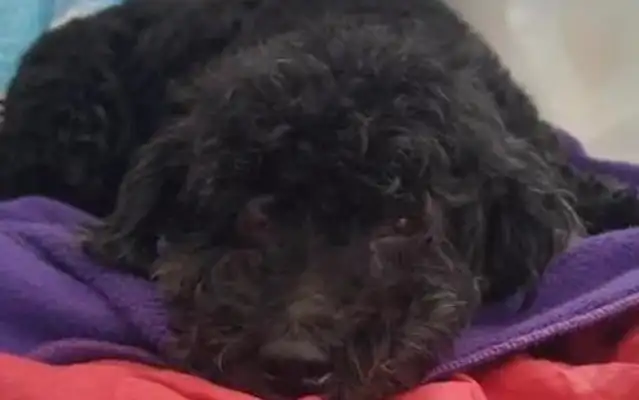
The dog's eight years old. He's having a heart attack after eating his tea eggs. I can't breathe. I can't tell if the dog can eat tea eggs.
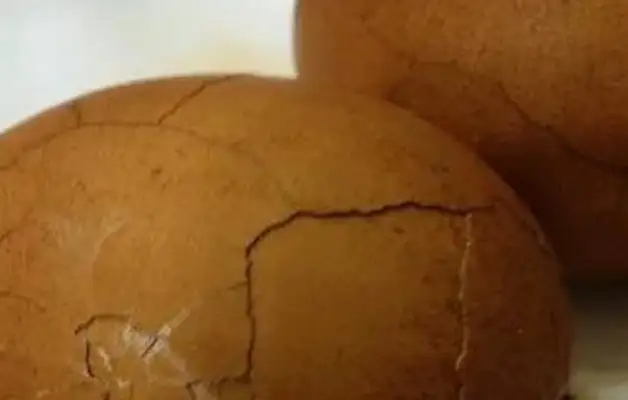
Tea eggs are visible everywhere, but the deeper the colour, the more caffeine and tea base are absorbed, the more toxic to pet dogs.
Fortunately, the dog's condition has stabilized and is home after a day of hospitalization, and a week later it's completely recovered. The pet doctor stressed that it was the tea base that made the dog sick, not the eggs, and that many people didn't know that the dog could not eat the tea, so they shared the reminder.

Many convenience stores, snack shops along the street have ready-made tea eggs, but the tea leaves contain caffeine and caffeine, and the more colored tea eggs taste, the more caffeine and caffeine are absorbed.
Caffeine in tea accounts for 2 to 4 per cent, tea alkalis 0.002 per cent, and the symptoms of poisoning are similar, so if pet dogs eat tea eggs and cause poisoning, it is likely that the caffeine in tea eggs is caused.
According to veterinary doctors, on the basis of animal weight and intake doses, dogs ingestion of caffeine-containing food can reach maximum plasma levels in about 30 to 60 minutes and show symptoms of poisoning (when clinical symptoms occur at 20 mg/kg), including vomiting, anxiety, hysteria (mobilization and loss of balance) and diarrhoea.
Veterinary reminds that caffeine-containing foods include chocolate, coffee, tea, cocoa, saliva, soda, etc., not, not, not for dogs and cats, because it's important to say it three times!
If the pet dog does eat badly, the veterinarian recommends that it be taken to a nearby hospital as soon as possible to assess whether it vomits and gives activated charcoal. If it is serious, infusion treatment and hospitalization are provided, together with drug control of other clinical symptoms. Self-inflicted vomiting is not encouraged and there is no risk of inhalation of pneumonia.