Designation: PET1120
English name: Naja melanoleuca
Vulnerability: anorexia
Life: Overview of forest cobra species, 20-30
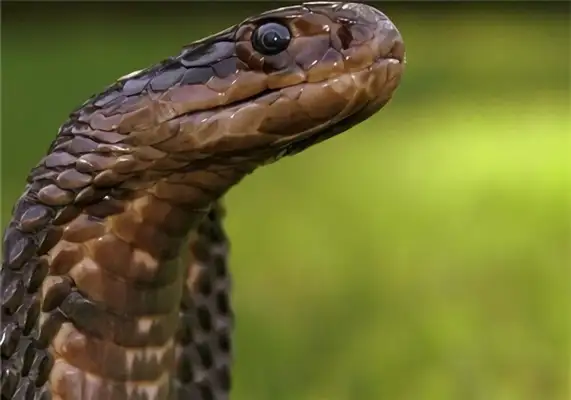
The forest cobra (Naja melanoleuca), mainly in west to Senegal, east to Somalia, south-west to Angola and south to eastern South Africa, have a very long life and a record of rearing for more than 28 years. Severe toxicity, dominated by neurotoxic toxins, and a high amount of venom at once are dangerous snakes, but are generally not close to human settlements.
Chinese literary name: Forest Cobra
Two words: Naja melanoleuca
Area: Animal
Door: vertebrate door.
Amen.
Scramble
I've got eyes.
C: Bat Snakes
Cobra.
Cobra species
Distribution: Characteristics of forest cobras in tropical rainforests and surrounding areas
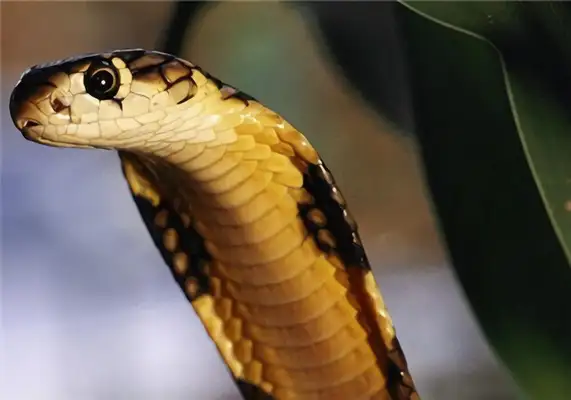
The forest cobra is an African home-grown species with a very toxic body that is generally close to the place of residence of humans, and is recorded to be close to the size of the king cobra.
Forest cobras are large cobras with a total length of 1.2-2 metres and a maximum of 2.7 metres. With the exception of brown on the neck, the back is black. The abdomen are yellow and white, with black crosses. And the lips are white and covered in black. Forest Cobra Living Environment
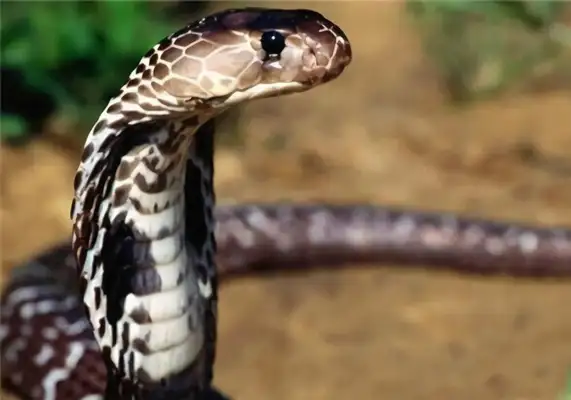
The forest cobra is also known as the Black Forest Cobra because of its blackness and brightness, and is the largest of the cobra's type. Long life. Although highly toxic, he would not enter the human settlement for no reason. So as long as you don't bother him, you won't attack humans.
Forest cobras, mainly in the African region, prefer to live in tropical rainforests and surrounding areas. Because he's very toxic, it's best to avoid approaching the snake. Forest cobra breeding knowledge
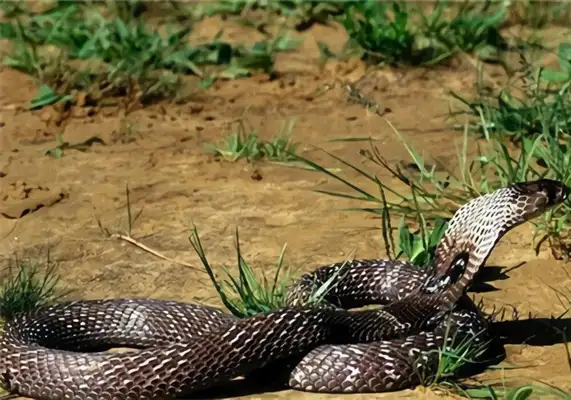
Forest cobras are not only the longest cobras in the world, but also have a considerable life expectancy, and are said to have been recorded for more than 28 years, with forest cobras breeding by spawning an average of 15 eggs at a time.
Forest cobras are generally fed by small-scale mammals, frogs, lizards or other snakes, and are good at feeding fish. It is highly toxic, dominated by neurotoxic toxins, and it is dangerous for snakes to be injected with a large amount of venom at a time.