No.: PET3153
Nature: lively, cute
National origin: China
Vulnerability: ballworms
Life: An overview of the species of Westchester at around 8 years of age
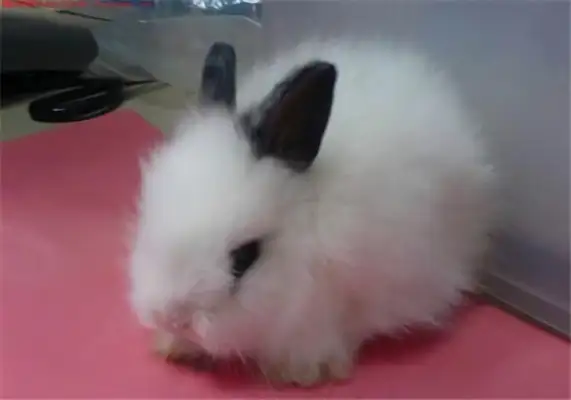
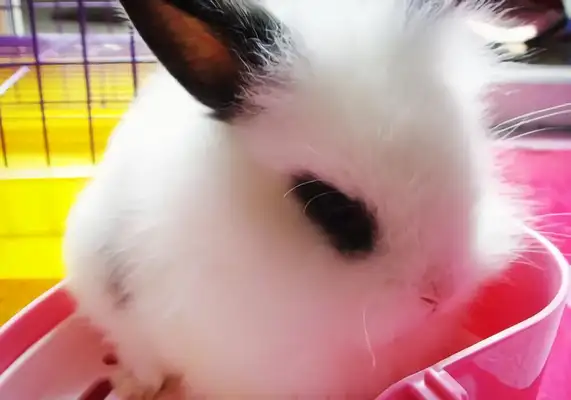
The West Rabbit is the kind of pet rabbit that we have grown. It looks cute and cute, it's long hair, it's long hair on the face, it's black, it's got some straight ears, it's got some hard-eared rabbits, it's not recognized by any rabbit association.
Chinese name: Rabbit West
Context: Animals
Gate: Pipeline gate
Amen: vertebrate Amen.
Programme: Lactation Programme
FIND: RABBITS
Section: Rabbit Section
Yes: Rabbit
Cultivation of history: The first exhibition at the Taipei World Aquarium in 2001 attracted the attention of a large number of people who developed their own species and, in the process of breeding lion rabbits, there were a few Western Rabbits, so it could be called the "Lion West Rabbit".
Body size: typically about 2 ~ 2.2 kg, characterized by hair that floats all over the body, with a flater face and a flater mouth.
Management: As the Western Rabbit is a hairy species, the feeder should pay special attention to the daily hair combing work, and to the hairy ones, which can get dirty around their ass during excretion, as well as to the cleaning work.
Food: green radish feed.
Nature: biologically warm, better than dogs.
Reproduction: birth. Western Rabbit Form Characteristics
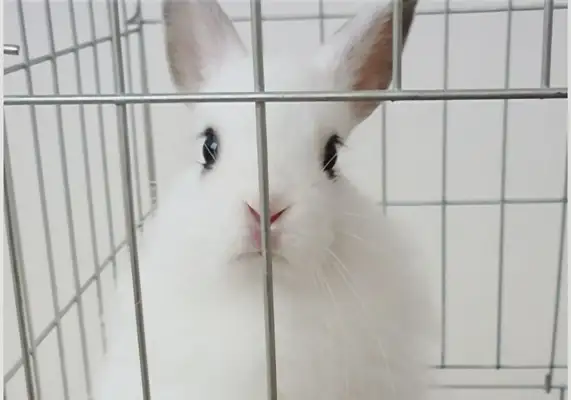
The Western Rabbit is small in size and belongs to a small pet rabbit variety, with an adult body of around 2KG, hairy white, black eyes, some of which have straight ears, some of which are mixed with ear-eared rabbits, while the ears are down.
As a self-developed species in our country, a few Western Rabbits will appear in the process of breeding the lion rabbits, so it can be called the “Lion Western Rabbit”. With a weight of about 2 kg, hair drifting all over its body is its greatest feature, with a flat face and a hairball. It's easy to guess what it looks like from a name, at first glance it's like a charming puppy, which is the hard-earned heart of the nation's own people, who give it a beautiful name — the West Rabbit. The hairy Westchester looks like a warm furball, and it's hard to think about it.
The West Rabbits look like dogs and Persian cats at first sight. But don't underestimate these new breeds of rabbits, they make the master proud. Not only is the West Rabbit not squealing, but clean, it's fit to stay indoors. If you treat it like a dog, it's cheaper than a dog, and they're groceries, from cabbage to feed. Western Rabbit Care Knowledge
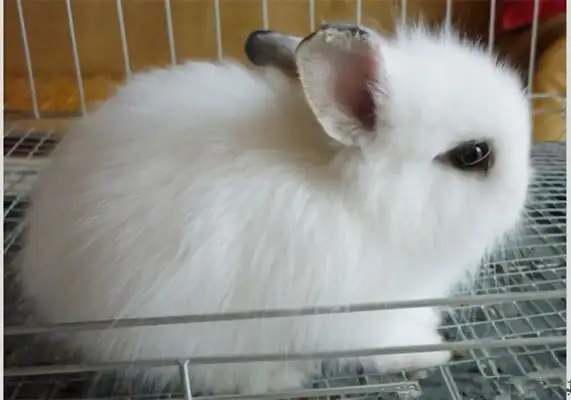
The Western Rabbit is a long-haired rabbit variety, so it is easy to get rough, and brushing the Western Rabbit in the home is a daily homework that is necessary to prevent the Western Rabbit from having hairball problems and to ensure health. What else is the point of home care for West Rabbit?
One, the West Rabbit combs.
The Western Rabbit spends a lot of time licking his body, which is a very clean little thing, but it also swallows a lot of hair into his belly, so that if he eats too much (especially during the hair exchange season), the intestines are clogged, causing slow intestinal creeping and causing hairball disease. Brushing cycles: usually once a week, and by the hair exchange season, when you find that you have more hair in the comb than you used to, it means that it starts and can be increased to two or three times a week or even daily. Hair exchange season for adult rabbits is spring and fall season, while hair exchange for juvenile rabbits is more frequent.
ii. Whispered nails
The nails of the West Rabbit are infinite, and the rabbits are running and digging holes and nesting, and naturally they grind out, but obviously our pet rabbits don't have to work so hard, and the nails are too long to break blood, and that will require us to work harder and fix them regularly.
Cutting methods: It usually takes two people, one to hold the West Rabbit and the other to fuck the guy with his little paw. Pay particular attention to cutting points. The west rabbit's nails are the same as cats and dogs. There's a vein inside. Leave a further 1.5-2 mm white part for it in front of the veins, and cut the rest. The West Rabbit living environment.
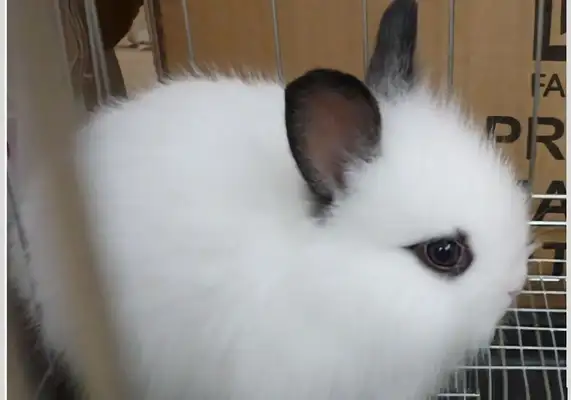
A lot of people feed the West Rabbit in a cage, some on the balcony. Which way is better for you? What are the recommendations for the placement of rabbit cages? The following article tells you the answer.
- Is the West Rabbit going to feed in cages?
It's good to leave the cage, but it must be safe for the environment. It is also good to choose a fence, as it allows Western Rabbits to exercise adequately, and Western Rabbits are best provided with four hours of outdoor exercise per day, at least two hours, so that the rest is fully satisfied, not only in terms of their health, but also in terms of the wisdom of scattered rabbits.
II. What equipment other than rabbit cages is necessary?
The toilet is necessary, there is a special toilet for the West Rabbit, which is clean and easy for parents to clean. It's best to buy water for the Westchester. For the time being, it would be preferable to choose not to be too big, heavy and high, so that the rabbit does not stretch his front foot in. The scaffold is perfect for grass. It's a variety of styles, but it can also be in a bowl. The choice of the inner straw frame should be made to note whether the size of the gap is the right size to jam the foot of the Western Rabbit, which causes a fractured limb. There is also a need for food for rabbits, special for west rabbits and alternatives. What's the point of the West Rabbit?
Rabbit West is easier to feed and choice of food is more uniform. The Western Rabbit prefers to eat plant feed, and usually the most healthy choice is dry grass with clean water, which is only a suggestion for food, the specific method of operation, and the following recommendations can be consulted.
The market has largely reached the age of 3 months for pet rabbits (except New Zealand rabbits). At this stage, the pet rabbits are relatively simple to raise, usually fed in a combination of gavage and dry feed of one to two, and not recommended for purchase, before January, when the rabbits are at a high onset of disease and have not yet fully weaned, and are prone to death by negligence in new hand-breeding.
From weaning to March-year-old rabbits are called rabbits. At this stage, young rabbits grow rapidly and are less resilient, with special attention to care. Otherwise, stunted and prone to death. Weaning rabbits must be kept in warm, clean and dry places, with cages. At the beginning of the cage, three to four rabbits per cage. Feeding of refined and high-quality weeds, such as bean peels and bean cakes, is appropriate. Because the protein and fat of rabbit milk are 10.4 and 12.2 per cent, respectively, which is three times higher than milk, it is difficult to feed the rabbits with feed. The feed is to be fresh, muddled, dried and fed. At the time of the feeding, less food is required, with the greens three times a day and the refineds two times a day, in addition to some mineral feed.