Designation: PET5318
English name: Introduction to Dremomys pernyi long-kiss squirrel species
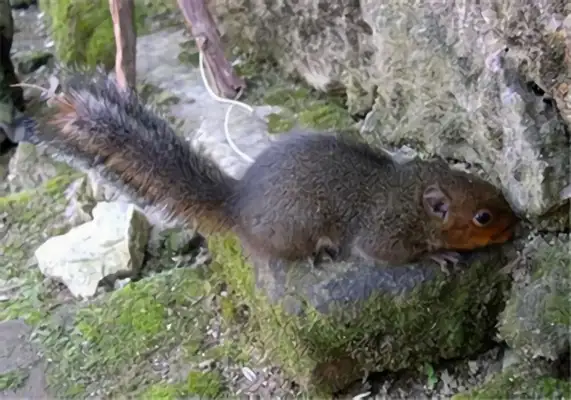
Long-kissed squirrels, also known as “red-mouthed mice”, are not very different in their habits and general squirrels and prefer to move in the morning and at dusk. The long-kissed squirrels often refer to them as the "demons" because they are the most destructive at home.
Chinese literary name: Long-kiss squirrel
Latin name: Dremomys pernyi
Context: Animals
Oscilloscope: physical characteristics of a squirrel with long-kissed teeth
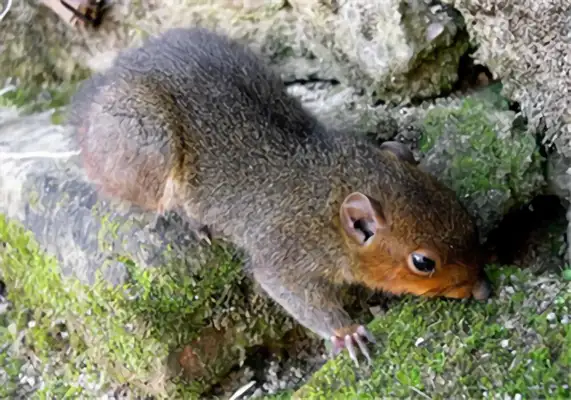
Long-kissed squirrels, also known as “red-mouthed rats”, are generally preferred to live in dense forests, not exclusively in tree habitats, and are often active on the ground. What's the shape of a long-kissed squirrel?
The length of the long-kissed squirrel is 20-25 cm, the limbs are short, the tail is long, the tail is short and loose, the back hair is brown and the abdominal hair is white. Long-kissed squirrels generally live in dense forests and are not very different from common squirrels, but not exclusively in tree habitats. Kissing squirrel breeding environment
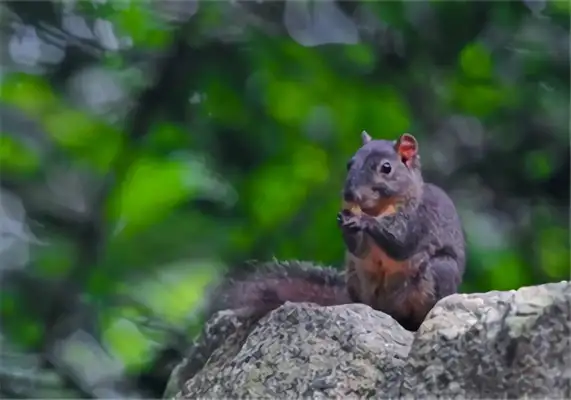
As long-kissed squirrels are not widely fed, long-kissed squirrels can be referred to for breeding management. It was important to provide a proper breeding environment for long-kiss squirrels and it was necessary to clean them regularly.
Artisanal feeding of long-kiss squirrels can be used as a combination of barbed wire cages, with passages within the cage, which facilitate ration and rearing management. For example, cages with bamboo structures are easily eaten by long-kissed squirrels. The rearing premises must be dry and warm in the winter and summer, the suitable temperature for growing and breeding should be 10°C - 30°C, the most appropriate temperature for raising should be around 15°C, and the relative humidity should be 40% - 50%. Since long-kissed squirrels are not resistant to high temperatures and can die during heat at 35°C, attention should be paid to the ventilation and shade of cages during the high summer season. Maintain appropriate temperatures to prevent cold winds in the autumn so as to avoid rheumatism. In addition, long-kissed squirrels do not need strong light, such as receiving too strong light and often beset with hair and loss of light.
Scavengers are removed, cages are often kept clean, and cleaning is done every morning before they are fed in order to clean the fur and to promote the health of long-kiss squirrels. The rearing equipment is regularly disinfected, with at least one sand bath per week. The sandbox is suitable for 4 litres of sand, which is placed in fine sand for 20 to 30 minutes at a time, thus improving health. Skissing squirrels to feed.
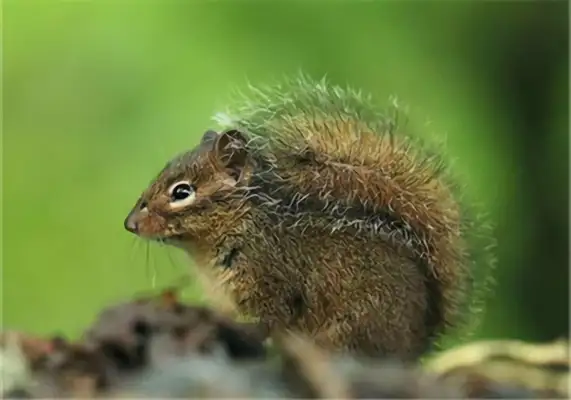
The feed of long-kissed squirrels is a reference to squirrel feed. Although for squirrels, pine nuts are their favorite, they cannot feed only their single food. How can they be healthier and more nutritious?
The feed of long-kissed squirrels is divided into two categories: feed and feed. Forage consists mainly of carrots, hollow cabbage, various types of fresh fruit and other fresh vegetables. Precise feed consists of wheat curds, corn paste, beans powder, cereals, etc., with a small amount of salt, yeast powder, bone powder, honey and trace elements. It can be made into granular dry feed. In the cages where long-kiss squirrels are raised, a few wooden sticks can also be placed, allowing long-kiss squirrels to grind their teeth.