The following is a general science article for snake lovers focusing on the causes and urgent treatment of regurgitation and giving a complete response. The content combines practical conservation elements and seeks to be both practical and scientific.
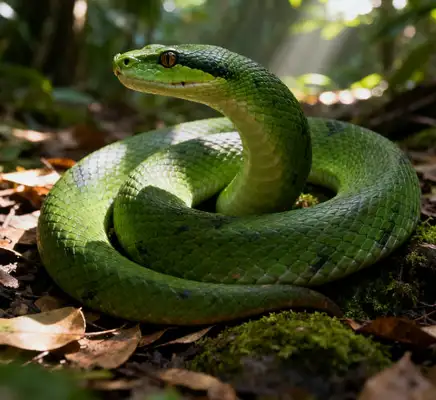
The definition and distinction between content-focused vomiting: snakes emit unincorporated food soon after the feeding, usually within hours to 1-2 days after feeding. Unlike vomiting, vomiting is often the result of difficulties in swallowing, environmental factors or temporary stress, rather than the active discharge of a mixture of genres such as stomach acid. Common causes: inappropriate prey size (above 1/3 of snake width), excessive frequency of feeding, immediate treatment or shock after feeding, unstable temperature and humidity in the environment (unsuitable temperature gradients, high or low humidity), inappropriate food type (prey or prey species not suitable for the species), dehumation period, digestive system disease or parasite infection, dehydration and general infirmity. Potential health effects: In the case of frequent vomiting, loss of weight, mental distress, denial of food or persistent digestive abnormalities, medical treatment should be provided as soon as possible to eliminate potential gastrointestinal congestion, inflammation, parasitic or instrumental diseases.
It is recommended that measures establish a stable moisture gradient at the daily conservation level. Most warm, crawling snakes need a warmer Basking area (approximately 28-32°C) and a cooler side area (approximately 22-26°C), as well as a suitable relative humidity (which is 40-60% common depending on the species), to avoid sudden temperature changes. Food needs to be appropriate, usually in size around one third of a snake's cross-section; too big or too hard prey can trigger swallowing difficulties and vomiting. The feeding interval varies from one to two weeks for adult snakes, and shorter intervals are required for young snakes and rapid birth, but it is important to avoid treatment or forced feeding immediately after the latest feeding. Avoid treating, moving or giving snakes a strong incentive immediately after feeding and leave a quiet environment for digestion. The family in the early stages of the disease should first place the snake in a quiet, dark place to avoid disturbance and vibration; clean up the vomit without forcibly shaking or stimulating the throat. Suspend feeding again for at least 7-14 days to observe whether body weight and vitality have recovered and to maintain clean water supplies. Close observation of signs of dehydration (deepness in the eye, loss of skin elasticity, rapid loss of body weight) and denial of food should occur in a timely manner. Medical and diagnostic measures (professional judgements) such as frequent, prolonged or associated vomiting, mental discomfort, loss of weight and defecation should be addressed as soon as possible. Diagnosis may include weight and body assessment, blood examination assessment of metabolic and liver kidney function, faeces parasite examination, abdomen image (X-ray or ultrasound) to remove gastrointestinal barriers, alien, stomach expansion or intestinal pathologies. Treatment is usually right and addresses the causes. Possible measures include rehydration and electrolyte balance, improved gastrointestinal creeping drugs, parasitic treatment, nutritional support where necessary, and surgical assessment of organogenic pathologies. When re-feeding and re-emergence is gradually resumed after the cause of the disease has been identified and treated or stabilized, usually starting with small, digestible foods, increasing to observe whether there are signs of re-eating within 24-72 hours. Continue to maintain environmental stability and avoid re-exposure to stress sources, excessive prey and temperature fluctuations.
Complete response (step-by-step) 1) Initial on-site assessment of time and isolation logs, vomiting content, most recent feeding, prey dimensions, failure behaviour, dehydration of appearance; photo retention certificate. Placing snakes in quiet, hidden containers or aquariums in order to avoid artificial irritation and to ensure fresh water sources.
2) Emergency day-to-day treatment of a moratorium on feeding and any strong irritation (including moving, capture, strong light). Provide a stable moist environment to ensure that the gradient exists but is not hot; maintain clean water sources. Do not give yourself medicine, do not try to feed artificially or soak, so as not to lead to wrongful inhalation or suffocation.
3) The observation period and the preparation of further diagnostics for 7-14 days may be gradually attempted and closely monitored in small quantities if no further vomiting, steady body weight and rejuvenation occur. In the case of re-attribution, non-attribution, loss of weight, sleep addiction and respiratory difficulties, medical attention should be provided as soon as possible, along with the last observation and any diagnosis.
4) Medical examination for medical diagnosis and treatment, necessary blood and excreta testing, video assessment (X-ray/ultrasound). Treatment programmes are developed on the basis of diagnosis: in the case of parasites or infections, according to veterinary prescription drugs; in the case of gastrointestinal infarction, alien, inflammation or organogenic disease, surgical assessment may be required. Veterinary guidance is followed during the treatment period and visits are made on time to record weight and feeding progress.
5) After recovery and prevention have stabilized, feeding has been gradually restored, with the first being digestible small preys, gradually returning to the old feeding rhythm. Maintaining stable temperature humidity and feeding schemes, avoiding frequent turnover of prey types, avoiding excessive irritation and overtreatment, and regular weight monitoring. Regular excreta testing, excluding the effects of chronic factors such as parasites on digestive systems.