Designation: PET 2708
English name: Rose Red Dragon-eye with Tiger-head
National origin: China
Vulnerability to diseases: albino disease, rotting tail disease
Life Status: Overview of the Red Tiger Headings 5-6 years
The roses are also a rare species of goldfish, so their breeding and habits are similar to those of other goldfish. The red tiger's eyes are also of a very gentle character and are less territorial in nature and can be combined with the other.
English name: Rose Red Dragon-eye with Tiger-head
Type: Goldfish, temperate freshwater fish
Origin: China
Reproduction: Eggs
Water quality: PH 7.2 ~ 7.5
difficulty of raising: easy
Fits to water temperature: 10-30°C Rose Red Tiger Head perforation
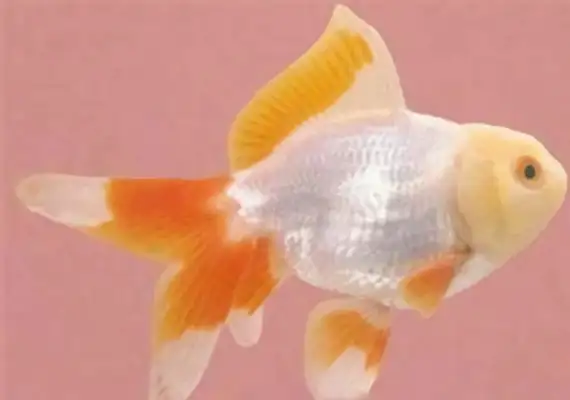
There are scattered rose red spots on the red tiger's eye, and an aroma on his head. Because the colours of the red tiger's eyes have mutated, but the colours have remained intact, so they are very distinctive and well-loved by the goldfish.
The goldfish species are weak in the area of roses, red tigers, broad head, white color and red laces. Nasal perforation is normal, gills are normal, back fins are non-existent, tail fins are small and egg-shaped. The family can use the goldfish tank. The red tiger has a very mild personality, and there will be no goldfish chase. Except for the breeding season, all shapes can be mixed with goldfish of all colours. The red tiger's eye-breathing environment.
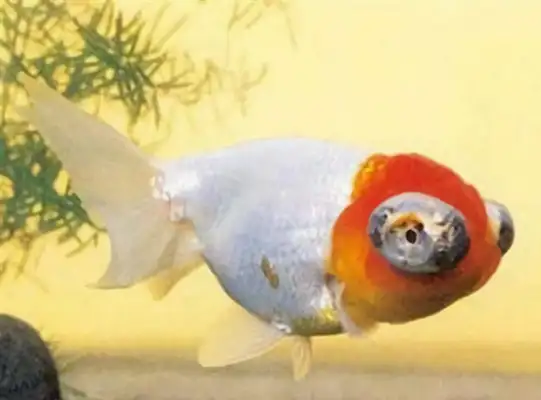
There is also a need to pay attention to certain methods of raising rose red tiger heads, although it is not difficult to raise them, but also to their environmental aspects.
The extent to which the red tiger's head is adapted to the water temperature is greater, and the red tiger's head is able to survive at temperatures ranging from 0 to 38°C. At water temperature of 6°C, the rose red tiger's eye begins to eat; at water temperature of 3°C, the rose red tiger's eye begins to sleep in hibernation; and when the water temperature exceeds 28°C, the rose's red tiger's eye begins to eat less. The most growthal water temperature of the red tiger's head is 18-22°C. But the red tiger's eye has the weakness to withstand sudden changes in water temperature, such as when the temperature rises or decreases by more than 5°C, the red tiger's eye tends to experience immediate convulsions, vagaries, disease and even death.
The high and low amount of soluble oxygen, in addition to the direct effect on the breathing of the rose red tiger's head, affects the appetite, digestive absorption capacity of the rose red tiger's head, which ultimately affects its growth and development. In water of fresh water and sour oxygen, roses have a strong appetite for food, good digestion, high growth, bright colour, and lively and lovely. On the other hand, in water bodies with deteriorating water quality and low soluble oxygen levels, rose red tiger heads tend to swallow the air with their head in order to obtain a small amount of oxygen that temporarily preserves life, usually in the form of a lack of appetite, poor colour, thinness and rigidity, thus reducing value for value. In hot summers, special vigilance is needed for oxygen shortages. The rose red tiger's eyes feed the food.
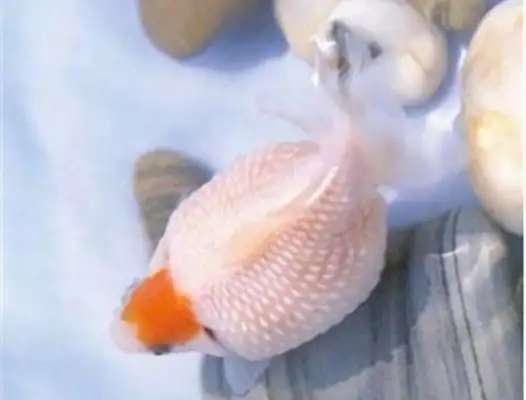
We can all feed too many goldfish, and the goldfish breed is raised not only in terms of the environment, but also in terms of scientific feeding, so as to produce healthy roses.
In order to keep water quality clean, the amount of bait delivered should be strictly time-quantified, usually one to two times a day. Each drop of bait would be appropriate for half an hour, and the bait should not be fed too much. One is that fish are full, metabolic levels are higher, oxygen consumption is higher and can cause the rose red tiger to die of oxygen-depressed larvae, and the other is that the bait is left, the fermentation is corrupt, the water quality is bad and the oxygen is low. In fact, Rose Red Tiger's eyes are rather hungry, not for a week or two.