Designation: PET3173
English name: Megaphobema velvetosoma
Origin: Overview of the variety of brown velvet in Ecuador
Ecuador was first discovered in Ecuador in 1995. Owing to the high price of tan in Ecuador and the scarcity of varieties, only a fever-grade player pursues this type.
Chinese name: Ecuadorian brown velvet
English name: Megaphobema velvetosoma
Yako: Theraposinae
Origin: Ecuador
Habitat type: Ecuadorian velvet in the tropical rainforest
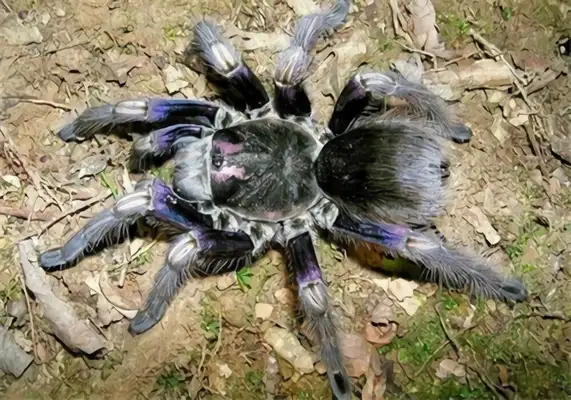
Owing to the high price of tan and the scarcity of varieties in Ecuador, it is generally pursued by players with fever levels. However, because of the low toxicity of tan in Ecuador, it is suitable for start-up-level players.
The Ecuadorian velvet is a very large variety that can reach an alarming 25 cm or more by foot after formation, with low visibility in the country, but not too complex to raise. Ecuador's brown velvet breeding environment
Ecuador's palm velvet is used as a base for the selection of moist peat, coconut brick or clay, which, because of its velvet type of life, kicks and is sensitive to temperature and humidity.
The artificial graft of Ecuadorian velvet requires attention to the environment in which they are raised, as long as the velvet is provided with a pot of water for drinking water and is given a more humid environment. Precinct of brown velvet for Ecuador
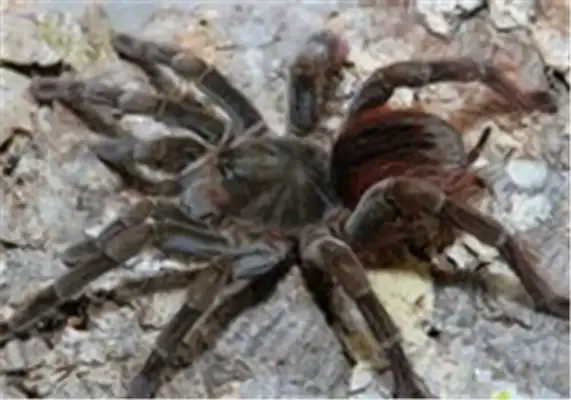
Ecuador has an adult velvet size of 25-26 cm and prefers to live in an environment of 80 per cent humidity. It is essential that Ecuador's palm velvet is grown to provide them with a potable water basin that will guarantee both their quantity and environmental moisture.
Whatever insects are, if they're alive, they'll eat Ecuadorian velvet. Ecuador's brown velvet not only uses the Ecuadorian velvet net to catch bugs, but also to crawl around and catch insects. For example, some of the Ecuadorian velvet can attack crawling ants from behind. There are also those who hang an ant from an Ecuadorian velvet net and then feed an ant.