Designation: PET2945
English name: Whitefin Surgeonfish
Origin: Great Barrier Reef
Vulnerability to diseases: albino disease, rotting tail disease
Life: 6-7-year profile of whitefin black hanging species
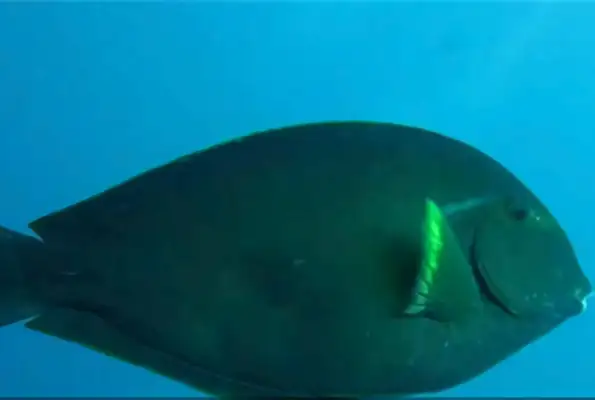
The white-fin black hanging can be 33 cm long and is very distinctive because the white-fin black hanging has no stripes or spots on the side of the fish. White-fin black hanging is carnal and requires attention to feeding, water quality, etc. during breeding.
Chinese: Black and white
Famous alias: White breast fin stinger
English name: Whitefin Surgeonfish
Latin name: Acanthurus albipectoralis
Geographical distribution: Great Barrier Reef
Reproduction: Eggs.
Practising: Eat mainly from zooplankton in the bottom waters. The shape of the black hanging of the white fin.
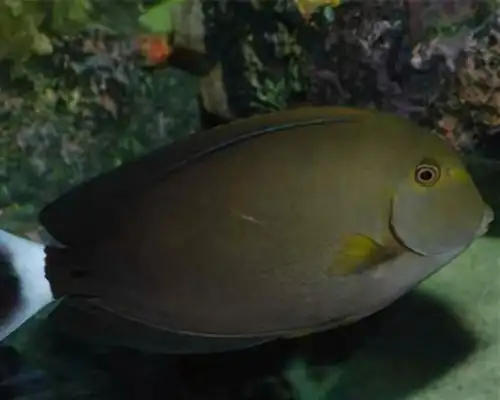
The same is true of the temperate behaviour of the strangulation fish, which is offensive to the fish of the same species, but which is very friendly to other species, as well as to the black strangulation of the white fin. What are the characteristics of the black-white-fin shape, which is more impressive?
Whitefin can be up to 33 centimetres. Fish are identically brown to black, with no stripes or spots on their sides. The first half of the chest fin is black and the second half is white; the tail is black, with white bands near the tail handle and the tail is black. In addition, the black hanging of white fins is sensitive to changes in water quality, and therefore it is recommended that it be bred naked. White-fin black-handing environment
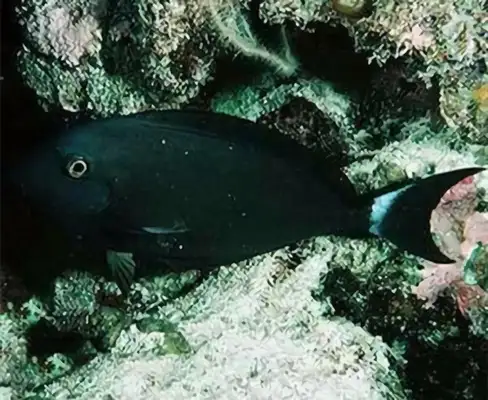
The suitable water temperature for white-fin black hanging is 24-27°C, PH values 8.1-8.4 are appropriate, water weights are optimal at 1.020-1.025 and white-fin black hanging requires a larger aquariums, with a recommended minimum aquarium size of 400 litres.
White-fin black hanging is sensitive to changes in water quality, nudity rearing is not excessive and can only be used for short periods of time because changes in a range of factors, such as temperature resulting from the change of water, make disease more likely. A well-equipped ecotray, supported by filtering, oxygenation, etc., would be preferable to produce a coloured whitefin black hanging, which would reduce the impact of environmental change on whitefin black hanging, which can be raised for long periods.
White-fin black hanging, “prevent and prevent”. A range of precautions must be taken from the moment of purchase. From commercial fish, a healthy, colourful, dynamic and well-positioned individual is selected. When you return home, do not rush into an eco-cylinder, which is difficult to adapt because of the difference between the temperature in the bag and the temperature in the tank. In addition, new fish purchases and the water in the bags may be fungi, and when introduced in eco-cylinders, they can lead to external pathogens, disease transmission and cross-infection. The best way to do this is to find a small water-body naked tank, put the fish bag together in the naked tank, open the bag in an hour, bring the naked tank into the bag by dripping, observe fish dynamics, and pour the fish bag together into the naked tank in 10 minutes. Add 2 ppm furan and penicillin (10,000 units per kilogram of water) to the naked tank, three times in a row, one per day. On the fourth day of the day of the medicine, if everything is normal, the temperature of the naked tank is slowly adjusted to conform to the eco-cylinder before the fish can be fed into the eco-cylinder for long periods of time. I don't know.
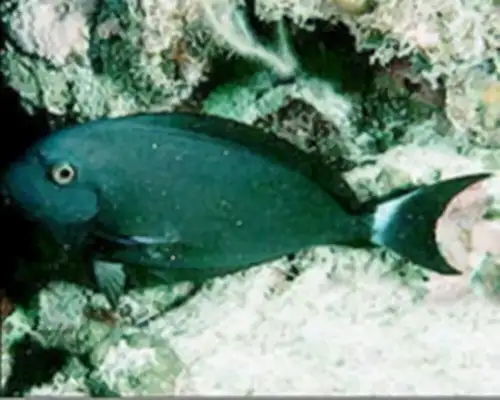
While white-fin black hanging is also a predatory fish, as is the case with the general strangulation, there is a need to provide adequate plant feed such as seagrass, seaweed, etc. for white-fin black hanging during daily breeding in order to ensure a balanced nutrition.
Whitefins are hung in aquariums, young fish are tamed, and a small amount of shrimp crab, frozen red bugs, shredded spinach, etc. are duly added. Because the whitefin is small, the food must be fine and the meat must be fit and not too much to eat, otherwise it can cause constipation, icy baits to defrigate them in order to feed them, or it can cause gastrointestinal disease. The diet is normally fed once a day, with a diet of between 5 and 10 minutes. In the case of eco-cylinders, the interval between feeding can be extended relatively, even once a week, and the presence of invisible micro-organisms in the eco-cylinders can feed them as well as clean up the excess algae in the fish tank and control the growth of algae, etc.