You may have heard that it's usually hard to find a dog, even if it's away from home, but if it's too long, it's hard to find a dog who's been watching news lately, and the dad of the Internet friend who's gone back to the old house and accidentally saw the dog who was stolen five years ago, sitting at the door.
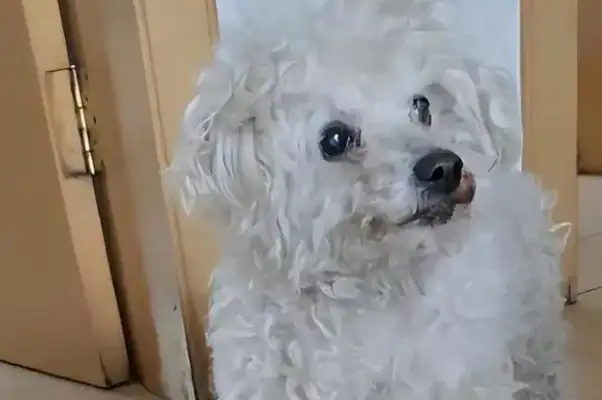
Dogs have changed so much that their hair, which was clean and white, has become dusty, even because skin diseases have caused some baldness, leaving only black eyes as before.
The dog's gone. Why can't he go home alone?
Dogs are one of the first to domesticate human beings, and after thousands of years of domestication and the history of human beings living with them, dogs have developed unique survival strategies and instincts. When dogs are lost, they may use the following ways to find their way home:
First, dogs have a very strong sense of smell, and their noses can smell the faint smell and identify the direction through it. When a dog is lost, it finds the smell of nearby, which may be the smell of the master, the familiar smell of the home, the smell of the food, etc. Through these odours, dogs may find their way home.
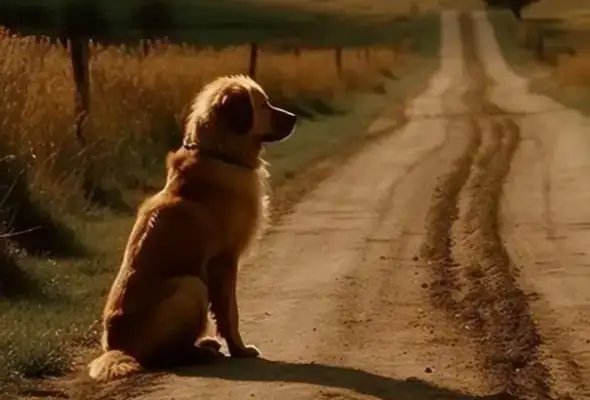
Second, dogs have excellent memory, and can recognize and remember their own routes and environments, including familiar roads, buildings and landscapes, through vision and smell. When a dog loses, it tries to remember the route and the environment that it has travelled and to repeat its actions to find a way home.
Moreover, dogs have a certain spatial sensory ability to determine their position and direction by observing the surrounding environment, including the location of the Sun, surrounding buildings and terrain. When a dog is lost, it will determine its location and direction by looking at the surrounding environment and find its way home.
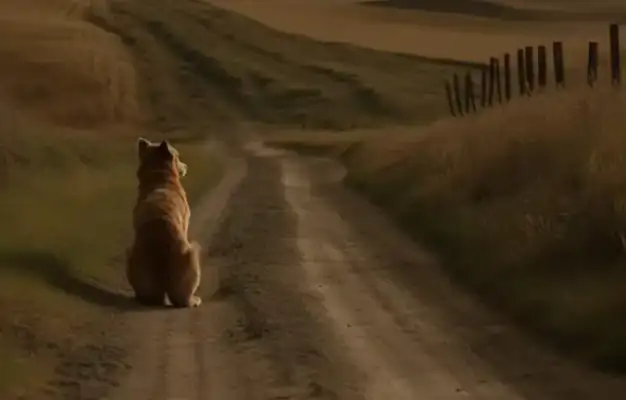
In general, the reason why dogs are able to go home on their own is that they have excellent instincts and survival. When a dog is lost, it tries to find its way home through smell, memory and spatial sense. Moreover, if dogs have lived with their masters, they may have developed an emotional connection, able to recognize the owner ' s scent and voice, etc. It is therefore possible that the dog will find the owner and return to his home in the search for his home.
In other words, it's best to watch your dog, to hold it, not to lose it.