Designation: PET1459
English name: Marginaled Tortoise
National origin: Southern Albania, Greece, Sardinia.
Vulnerability: gastrointestinal disease, flu
Life: 30 to 40 years
Price: A brief description of turtle species over $700
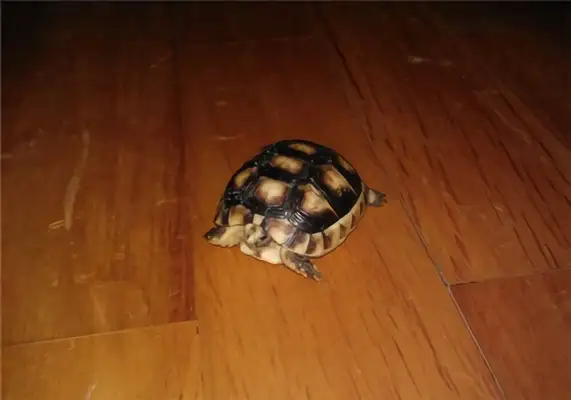
It is also dangerous for turtles to be small, growing up in the Mediterranean, to spend the winter in hibernation, so many owners of turtles choose not to hibernate, which does not have any health impact on them.
Chinese literary name: A turtle
Chinese alias: Tortoise
English name: Marginaled Tortoise
Two words: Testudomarginata
Context: Animals
Gate: Pipeline gate
Amen: vertebrate Amen.
Programme: climb
Tortoises.
Subtitles: Curvature turtle
Section: Marine turtles
Land turtles in the Mediterranean Sea
Cast: Sea turtles
Distribution: Southern Albania, Greece, Sardinia.
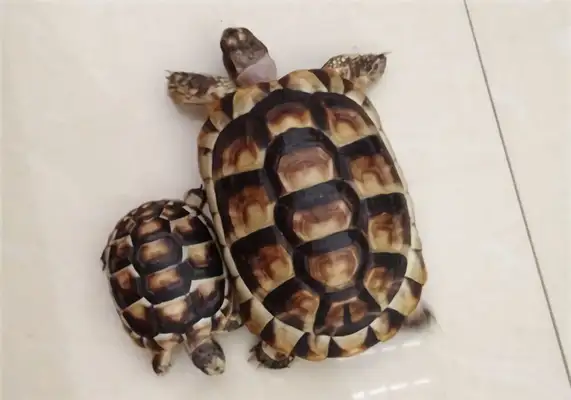
Appearance characteristics: Active energy increases to 12-14 inches, one of the largest in Mediterranean species. The male turtle's rear edge is wide and horny, which is why it's called the edge.
Life habits: typically the habitat is dry, small and rocky, the ace turtle comes out in the morning and at dusk to eat weeds and leaves, etc., and it usually rests in the shade at the hottest noon. In winter, the turtles hibernate underground.
Reproduction habits: Tread turtles meet to produce about three nests of eggs in May-June, yielding about 15 eggs at a time and hatching at about 31.5°C for 60 to 100 days.
Eatability: The most important foods are weeds and pyres, but wild turtles, who often hunt snails and earthworms from the stage to the submersibles, tend to become vegetative as they move closer to the body.
Price: Usually, a turtle is bought at about $700 to $1,000. Characteristics of the morphological properties of the turtle
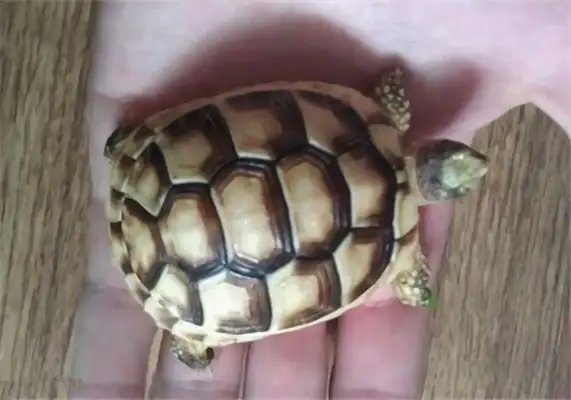
Land turtles are more specific species of land turtles in temperate areas, with small characteristics, but turtles have a visible rise in their backs, so they can be called sea turtles, which can also be an important basis for identifying females and males, as males are particularly visible.
Desperate to 30 cm ~ 35 cm. It weighs about 5 kg, the male is larger than the female, the male is characterized by a cavity of abdomen, the tail is thick, the habitat is predominantly mountainous, with an altitude of about 1,600 metres, the shape and color of which are altered by the response to mountain life, and the blacking of the back armour is useful, since the black backnails are designed to absorb thermal energy quickly between short solar rays and help them maintain their internal temperature.
A turtle is a medium-sized turtle born in Greece. Active energy increases to 12-14 inches, one of the largest in the Mediterranean variety. The male turtle's rear edge is wide and horny, which is why it's called the edge. Males are usually small, but longer than females, with long and thick tails.
Land turtles are the largest in temperate land turtles, although only slightly more than 30 cm. It is still small and medium-sized compared to tropical turtles. Their special feature is that the back edge of their backs is fanned, and other turtles have no similar structure and are unique. This nepotism is particularly evident in males and not in the juvenile age. The knowledge of nursing turtles
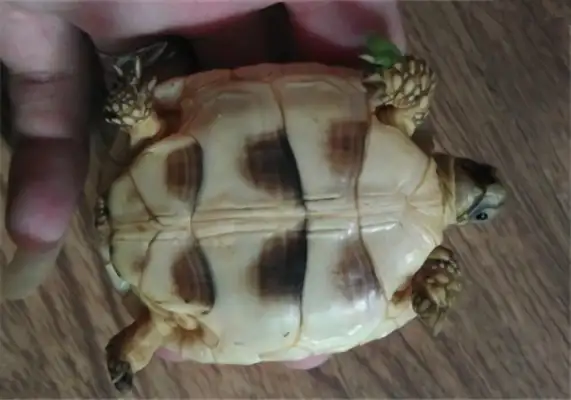
How can we avoid the fact that the turtles, which are relatively easy to feed, live in temperate areas and correspond to most climate types in China, are a major problem of hibernation, which is likely to die during hibernation?
The hibernation season for turtles is the same as for other Mediterranean turtles, usually rising up in mid-March and beginning in early October, with all Mediterranean turtles having the lowest hibernation temperature between 4°C and 5°C, which is the ideal of hibernation, so that all Mediterranean turtles will dig deep and shallow to find a suitable winter hibernation, and if they are below 4°C, they will surely die, and if the temperature rises to more than 6°C, they will wake up.
Experts speculate that the Mediterranean land turtle species are slightly different from other land turtle species in that they contain antifrozen liquids with poaching to help them withstand temperatures below 0°C. The value of hibernation has been controversial, but in any case it has had a positive effect on fertility, health and the compatibility of life habits.
Hibernation will do them no harm. However, the place of hibernation has to pay particular attention to preventing intrusion by rats, snakes, etc. In particular, rats can cause huge damage to turtles. Special attention needs to be paid. The general pet shop attracts many rats, so the tragedy of rats eating turtles often happens. The living environment of a turtle.
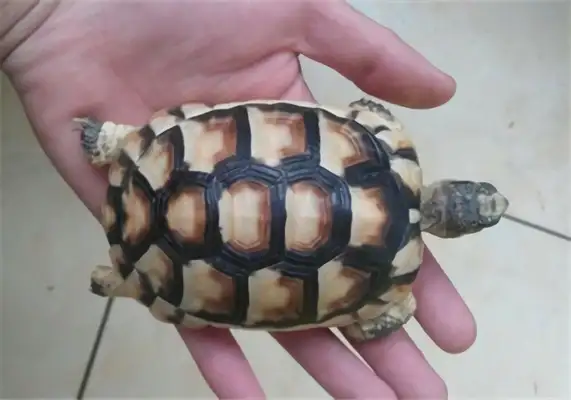
The living conditions of the turtles are easy to lay out. The wildlife turtles live in the same environment as most of the country, so it is perfectly possible to raise them out of the house. The way in which the turtles live is described below.
The larvae larvae are often found in the market and are almost the same as the Herman turtles. In the summer, it thrives when it is raised in a large outdoor area where there is no predator and where there is no edible shrub and weed, and there should be a shelter and a shallow water plate. The turtle is an excavator and the fence should be stretched to the ground to prevent flight.
Indoor breeding should be provided with a large tortoise table and other equipment, including heating equipment and UVB PV or a light bulb that is both heated and issued by UVB, as well as a number of gardening environments to provide shelter and climbing and a shallow disk. Temperature should be maintained at 32 ~ 35 °C near the point of light, while in the breeding environment there should also be a lower temperature range to give turtles the need to regulate only body temperature and metabolism.
The mud (50-50 points) used as a base for mixing topsoil and play by children could be used, while areas consisting of dried fruit and grass could be established for feeding and excavation. Particular attention was paid to the fact that juvenile turtles should provide a more humid environment to prevent dehydration. If the breeding environment is large enough, only one more wet soil area, or a wet shelter or cave, will be required. It's important to feed the turtles.
The turtles have no special requirements for food, the normal plants can meet their nutritional needs, and the most important is to pay attention to calcium recharge, which is an ancient topic of turtle breeding, and the next is a description of what the turtles eat better.
The most important foods for turtles are weeds and pyres, but wild turtles, who often hunt snails and earthworms between the stage of the calves and the submerges, tend to become more vegetative as they approach the cuisine. This is a relatively resilient category and less sensitive to changes in food and the environment. They're the same diet as average European turtles. With proper breeding, reproduction is easy. Dinosaurs do not like to drink water, so it is sufficient to supply vegetables with a higher content.
Tortoises shall include, as far as possible, weeds, leaves and flowers, as well as plumbs, front grasses, mackerel, daisy, curry, salve, grass, bitter vegetables, sorghum, lavenders, mackerel, cactus, cactus and, occasionally, pumpkins or tomatoes for summer/winter. Cats and dogs don't recommend this turtle. Fruits (watermelon, strawberries, apples, etc.) should also be given only occasionally. Vitamin powder should be distributed once a week for food, while calcium powder should be distributed several times a week, especially to juvenile turtles or breeding animals. In the case of outdoors, calcium powder with vitamin D3 is recommended, whereas in the case of outdoors, no D3 may be given. Water should be readily available for drinking and soaking purposes.