New to reptile health end list: from box opening to food.
As a foster care specialist, the guide combines "opening, placement, feeding, health monitoring, emergency response" to help you to make a healthy, happy little life. The following is a stage-by-stage focus, implementable measures and a complete response.
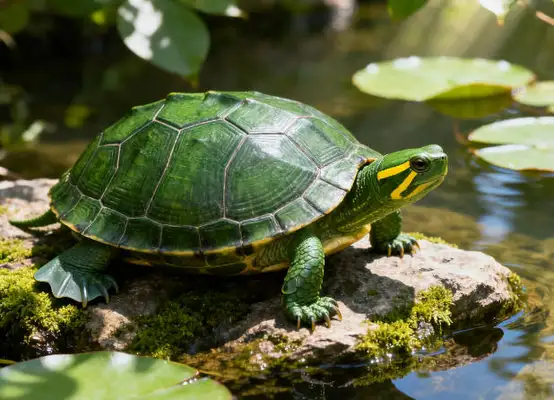
i. Preparation and preparation lists for the first day before the opening of the boxes: water-resistant basins, hidden areas, suitable substrates (avoiding sand, preference for reptile carpet, paper towels or determinable substrates), constant heat sources (basking lamps/heat mats), UVB lamps, temperature and humidity meters, aerosol dispensers, weight scales, closed or transport boxes, disinfection kits, record books. The first step after arrival: to observe whether there are visible wounds in the living body, whether breathing is fast, whether the nose and nose are bright, whether the skin is intact, and whether the spiral blades are normally overturned. Try to avoid over-touching and give it a few hours to a day of silence to adapt to the environment. Initial temperature setting: positioning the environment according to species needs. Set a “day temperature zone” and a “cool zone” to ensure that it can move autonomously to the right temperature; at an early stage, it avoids a strong direct light. Weight and appearance changes are recorded.
Environmental construction and day-to-day maintenance of humidity and light: Most lizard-day basking areas have temperatures of about 30 - 35°C at night of 22 - 25°C; UVB lamps operate 10 - 12 hours/day as required by variety. The needs of snakes and turtles are different, and specific hot zones and humidity are adapted to species. Basement and safety: Avoid impassable fine particles and prevent sand from causing worms or intestinal congestion. Provision of at least one hidden cave and several climbing structures to reduce stress. Separation of drinking water from feeding areas: water basins are kept clean and water is regularly replaced. To the extent possible, feeding areas are separated from drinking water areas to avoid contamination. Cleaning and disinfection: cleaning once a week, using a non-stimulant cleaning agent, completely washed and then entering the pet. Regular inspections of hot areas and hidden places.
iii. The principle of starting with the first feeding strategy: the selection of suitable foods based on variety and age. The larvae are dominated by living insects (e.g. cricket, bread worms, cockroaches, etc.) and can gradually be introduced into vegetables, vegetables, meat or specific animal proteins. Snakes usually focus on pre-mortem or pre-living foods of the appropriate size, avoiding rapid changes. Size and size of food: Gradual adjustment for foods up to 1/3-1/2 of the width of the reptile head. Feeding intervals depend on species, iguanas are fed 1-3 times a day, snakes are fed 1-2 times a week, turtles are fed regularly depending on metabolic and water intake. Gut-loading and supplements: feeding insects 24-48 hours to pets to increase nutritional density. Calcium D3 3 times/week (or according to veterinary advice), other vitamins used on demand to avoid overdose. (b) Food start-up strategy: build confidence by trying hot foods at the beginning, starting with those that are familiar with the pets, reducing feeding disruptions, maintaining a quiet environment for short periods of time in feeding areas. Avoiding one-time significant changes in diet structure.
IV. Core health monitoring indicators have weekly weight: Weight is recorded and volatility exceeds 10 per cent. Declines in body weight may indicate disease, parasite or eating problems. Skin and skin state: periodic check to see if skin is smooth and skin break needs to be wet and clean to avoid infection. Use of signals: activity, appetite to eat, defecation, normal breathing, eye, nose, and nose, oral health. The anomaly should be acted upon in a timely manner. Excretion and moisture: observation of excreta patterns and frequency and adequacy of water intake. Dehydration symptoms need to be addressed as soon as possible.
Programmes to address common problems do not eat for more than a week: looking at the temperature of the environment, the timing of feeding, the type and size of food, trying to change food and spread it. The question of metabolism or parasitics is excluded if consultations with veterinary doctors continue. Weight loss: both water, skin loss, environmental temperature control, pain or signs of infection. If necessary, clinical examinations are conducted. Respiratory abnormalities, increased osteoporosis: assessment of high wetness, insufficient air circulation, medical treatment when necessary and anti-infection treatment. Difficulties or partial damage: increase environmental humidity, assistive help with decomposition, disinfection of skin if broken, and avoidance of self-tripping. Misapportion of sand/floor blocks: Call for medical treatment as soon as possible if suspected.
VI. Emergency response and medical approaches have emergency lists: signs of animal pain, recent feeding records, environmental parameters, used drugs and doses. In the event of persistent vomiting, inability to stand, persistent respiratory difficulties and signs of visible pain, contact an experienced reptile veterinarian as soon as possible. Pre-diagnostic preparation: weight records, recent feeding and defecation records, photographs and parameters of enclosure (temperature, humidity, light time). The principle of first aid in the home: to clean first wounds and to avoid the use of unrecommended drugs; to avoid force-pression or force-bite, to appease and to place them in a stable environment.
Complete daily and documented routine check lists: thermometers, humidity meters, length of light, feeding time, amount of food, weight, skin loss, excretion. Conservation log: Establish electronic or paper records, review weekly, observe trends and adjust environmental and feeding plans in a timely manner. Gradual upgrading plan: Gradual adaptation of temperate zones, humidity, food types and feeding frequency with age to ensure nutritional balance and metabolic health.
Summarizing the newly arrived reptile requires a robust, moderate and sustainable care system. You will be able to bring stability to the state of good by means of detailed early examination, scientific environmental construction, progressive feeding strategies, systematic health monitoring and clear emergency programmes. Recording is the best partner, and data will help you continuously optimize care programmes and allow the reptile to grow healthy under your care. In the case of complex problems, do not hesitate to seek the help of experienced reptile veterinarians to work together on health management.