Designation: PET3733
English name: Brazilopelma Colloratvillesum
Origin: Overview of black and white foot varieties in Brazil
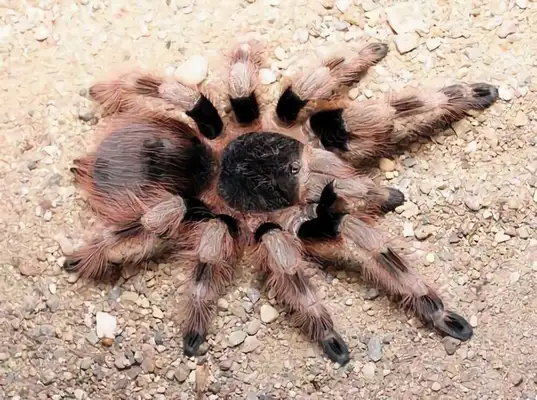
Brazilian black and white feet, Latin name Brazilipelma colloratvillesum, alias Brazilian Black and White. Substrates are recommended as slightly wet peat/coconut/crack/colate.
Context: Animals
Region: Brazil
Cob size approximately: 13-15 cm
Habitat
Yako: Theraposinae
Origin: Brazil
Habitat type: tropical rainforest
Adult size: 16-17+cm foot
Best suited temperature: 26-28°C
Best suited humidity: 80%
Whether to kick hair: Yes
Suitability: New entry to Brazilian black and white foot appearance
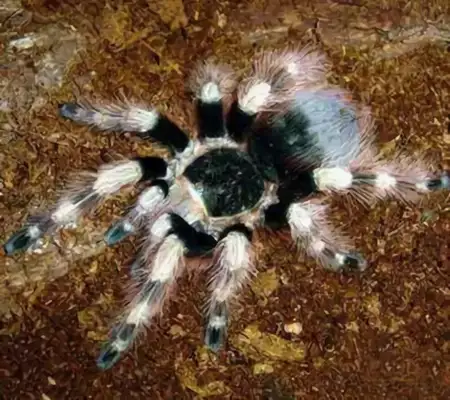
Brazil's black and white feet and Brazil's white knees, because of their very similar characteristics, are charged when the merchants fire. In fact, Brazil's black and white feet are less influential in China than their white knees.
Brazil's black and white feet are 16-17 centimetres long and are of a gestationary nature, requiring a tropical rainforest-based breeding environment, but Brazil's black and white feet are, in general, well suited for new hands-on players who enter the market. Elements of black and white foot breeding in Brazil
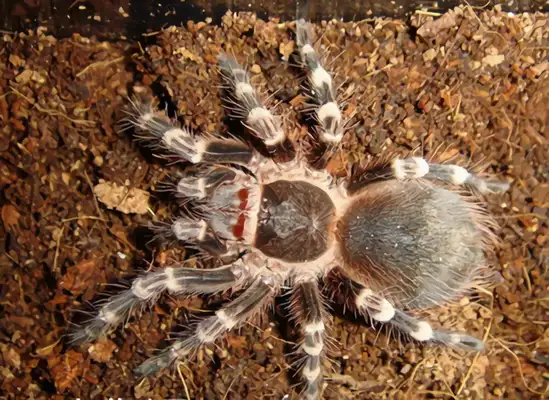
In Brazil, black and white foot breeding requirements are similar to those for Brazilian white knees, and the rearing box environment requires requirements to be laid into tropical rainforests, with the bottom of the rearing box recommending slightly wet peat/cracker/past.
As with many bird-catching spiders, Brazil's black and white feet are growing very fast, with a 1 cm larvae growing to the size of a piece showing a full-body colour of about 5-6 cm, which takes about six months. In raising Brazil's black and white feet, care should be taken to maintain a certain degree of humidity, as the species of bird-fishing spiders produced from tropical rainforests are often too dry to bear. It can provide a thicker base. Environmental requirements for black and white foot breeding in Brazil
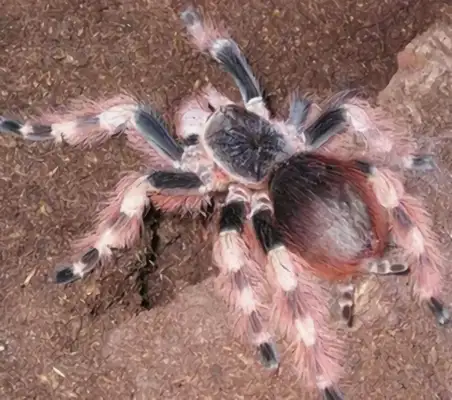
The key to raising Brazil's black and white feet is putting in place a suitable environment, the most habitat for Brazil's black and white feet from Brazil is the tropical rainforest, so the need to plant boxes also needs to be addressed.
Since Brazil's black and white feet are growing faster, it is important that the rearing boxes be prepared larger to ensure that Brazil's black and white feet are active. Brazil's black and white feet are suitable for survival in an environment of 25-27 degrees temperature and 75-80 per cent humidity, with some sexual violence. The rearing box is conditioned on ground spiders, with a base of about two inches of earth, a tree hole for him to hide, and a small plate for him to drink. The species of bird-hunting spiders from the tropical rainforest environment, which are usually too dry, can help to maintain moderation. A thicker base could be provided, and some excavations could take place at the black and white feet of Brazil. And, of course, an artificial escape can make them fit well. Food requirements for black and white feet in Brazil
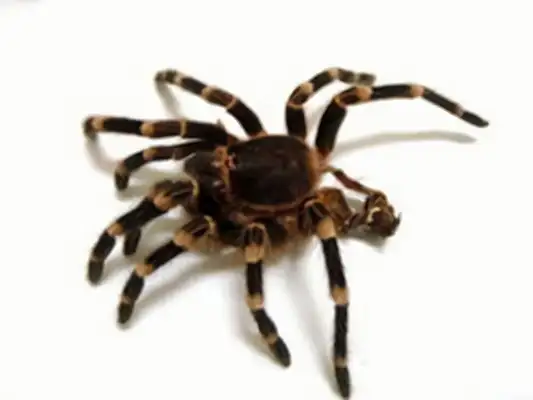
In Brazil, black and white feet tend to feed in a way that is sensitive to the setting of the environment. Although Brazil ' s black and white feet are growing at a moderate rate, normal supplies of nutrition help them to grow healthy.
The main food on Brazil's black and white feet is special, with crickets and occasional rats. Because of Brazil's violent black-and-white feet, players need to be protected if they want to be able to raise their hands, but they are milder than some of the more violent varieties. If Brazil's black and white feet were frightened, they would start kicking out a lot of hair.