Designation: PET4346
English name: Varanus bengalensis
Vulnerability: cartilage, parasites
Life: Overview of Bangladesh ' s iguana species, 10-20
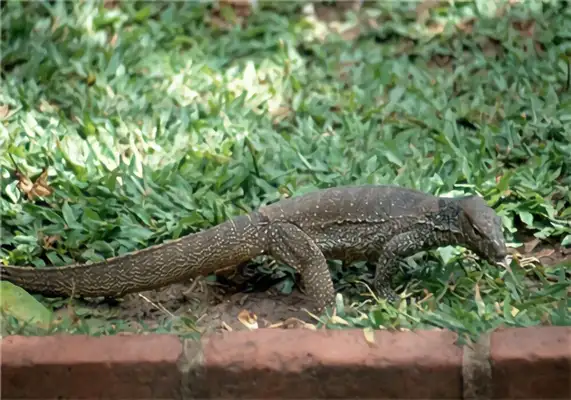
There are currently three sub-species in Bangladesh, unlike some of the lizards, whose heads are longer, longer and their eyes and limbs are well developed. They are mainly located in the Indian Peninsula and the south-central Peninsula, where only specimens of the iguana were found.
Chinese literary name:
Two words:
Area: Animal
Gate: Phylum Chordata
Amen: Vertebrata
A: Reptilla
Platform: Diapsida, Lepidosaria
Item: Lecertistromes (or Squamata)
Varanidae
Varanus
The Bengali iguanas.
Distribution: The south-eastern valley of Iran and Afghanistan pass through western Pakistan (widespread, mostly on farms), India, Sri Lanka, Bangladesh, Myanmar, Thailand, Viet Nam, Malaysia and Java. Characteristics of Bengali iguana form
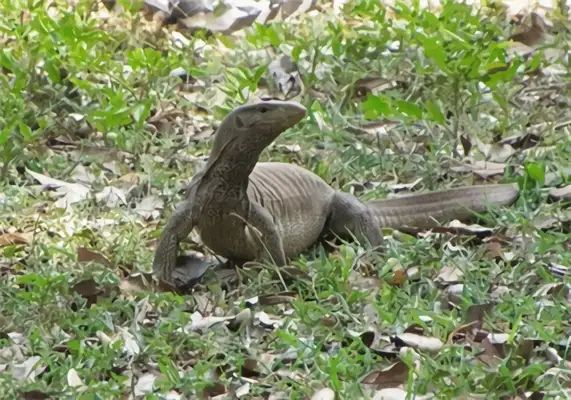
The Bangladeshi iguana is grey or grey green, typically characterized by yellow spots on the lizard, approximately 90 cm in size and around 50 cm in size. The weight of adults is around 10 kg.
The head of the Bengali iguana is triangulated, and in wild environments males are generally over 42 per cent heavier than females. The nostrils are in the middle of the eye to the kiss. There are differences between the western and eastern sub-species depending on their colour and the shape of their scales. Adult Bengali iguanas are generally grey or grey green, with grey and black marks from the chin to the tail of the abdomen, usually with dark marks in the west and light in the east. These abdominal markers are usually darkened with age. In the wild environment, the most heavily recorded male Bengali lizard was 7.18 kg by weight. Bangladesh's Magnificent Iguana.
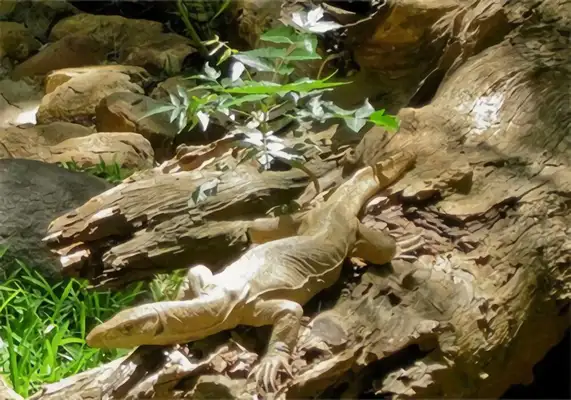
Bangladesh ' s iguanas are resilient and can live in harsh conditions, either in deserts or tropical rainforests or in seasonal snowy winters. This bitter spirit is worth learning from.
Some habitats are drought-prone and average annual precipitation is less than 200 mm. Other habitats are rather wet, with annual precipitation of 2,200 mm. The most common living environment for Bangladesh ' s iguanas is falling leaves, half leaves and often green tropical rainforests.
Subspecies in the west are found in dryer regions, and eastern subspecies are found in wet environments, mainly on the ground, climbing to trees if at risk or hiding in the bushes to bury themselves. In Pakistan, the dry season is dormant. In Sri Lanka, studies show that it hides in excavated holes at night at a time when the temperature is lower than in the surrounding environment, so that the sunlight increases body temperature during the day to increase activity, mainly in the afternoon, which is approximately 34.5°C. At night, they live in the grass or in water, keeping their body temperature higher than the surrounding environment, with a moving temperature of 30°C, so that they do not need to increase their body temperature for long periods of time, mainly in the morning. The knowledge of Bangladesh's iguana.
Bangladesh ' s iguanas reproduce in an egg-bearing manner, with a relatively high rate of reproduction, although the newly born iguanas are at very high risk of being arrested for eating, as at the time of their arrest, about half of their offspring lived under two years of age. Large females can produce 15 eggs at once in the ground floor or in termite graves. Incubation periods range from 70 to 327 days. The length of time depends heavily on the average incubation temperature. Under artificial breeding, the female shows the greatest chance of successful mating, with only one or two males in the female reproductive cycle per year being able to mate for years.