Snake mites: from eradication to prevention
Mantis catchers, followed by falcons, are often invisible threats to snake-bearers. Aphinysus natris, for example, prefers parasites on the surface of snakes and in the habitat, which together form the life cycle. When the environment is very wet and hot, they reproduce quickly, and Off-host survives for days to weeks. Once it occurs, the snakes suffer from agitation, friction, scratching, retardation, skin-skinning abnormalities, decreasing appetites and even severe anaemia and secondary infections. Eradication and prevention therefore require a systematic programme, rather than one-time treatment.
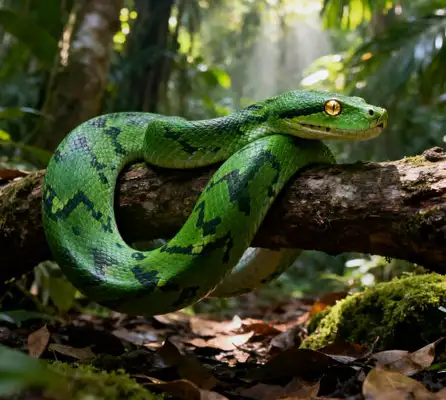
Content focus signs identification: Seen mites particles or linear motiones tend to gather on the edge, head, abdomen and tails of the sheet; snake activity increases, nighttime activity is active, frequently rubbed in nesting boxes, skins are incomplete or scarred. Where this has not improved for several days, parasitic issues should be considered. Life cycle and transmission: the eggs hatch quickly and, if the environment is not clean, the eggs and the worms hatch and spread over the casks, bottoms and ornaments. The mites can also circulate between indoor equipment as soon as they are brought in by new entrants. Hazard level: The mildness affects comfort and growth only, and the heavyness can lead to sustained stress, reduced immunity, reduced tolerance for livestock management and even to de-hulling and health. Reason analysis: incomplete environmental clean-up, unsegregated new snake entry, reuse of base materials, inadequate heating and humidity control, unsterilized shared tools, etc.
Recommended measures for immediate isolation: When a mites is found, the affected snakes are separated from other pets, and clean, high-temperature boxes are used separately, avoiding shared water basins and tools. Environmental clean-up and decontamination: deep cleaning of whole breeding areas. Replacement of all substrates, cleaning boxes, safe houses, stones, branches, etc., using disinfectant that is safe for non-pore surfaces (e.g. 70% alcohol or environmental disinfectant approved by veterinary doctors) and completely drying up. Disposal of articles: things that can be cleaned and reused for high-temperature washing, drying; items that cannot be cleaned with high-temperature, using specialized disinfection processes or sealing. Temperature moisture management: Maintaining a stable temperature and humidity in the vase area and avoiding excessive humidity to help the mites breed, but not to keep snakes in an excessively dry environment and to keep them ventilated. Deworming and drug treatment: external care for snakes, clean skin surfaces; if medication is needed, specialized drugs for reptiles should be used under veterinary guidance. Certain anti-carb drugs require prescriptions and are strictly administered at dose and usage levels, with caution to avoid poisoning snakes or abnormal nervous systems. Monitoring and re-examination: The treatment is reviewed as planned to detect signs of residual mites and repeat treatment if necessary. The date of processing, the name of the drug, the dose, the efficacy, etc. are recorded to facilitate the evaluation of the effects of the programme. Long-term preventive strategies: New snakes enter the quariantine phase (at least 4-6 weeks) to observe the existing environment independently and gradually to gain access to it; regular monthly cleaning and regular replacement of base materials; special use or thorough disinfection of rearing tools, transport tanks, gloves, etc., to avoid cross-contamination.
Complete response (step-by-step implementation) 1) Identification and isolation of aphids, immediately seclusion of infected snakes from other snakes, separate boxes, and date. Recording of the state of the snake, feeding, skin-skinning and taking photographs for tracking purposes.
2) Environmental clean-up and bottom replacement will remove all base materials, and 70% of alcohol or authorized disinfectants will be used to wipe and dry boxes, lamps, safe houses, etc. The sutures of the cask are carefully cleaned and, where necessary, soft brushes are used to help remove eggs and larvae from the cavity. Re-useable decorations are later introduced to avoid the use of permeable materials.
3) The handling and observation of snakes is softly cleaned with warm water to help remove surface mites and contaminants, avoid stimulating snakes and dry them lightly after cleaning. If the veterinary judgement so requires, the treatment of controlled external drugs ensures the safety and effectiveness of the drug against the snake.
4) Drug treatment (under veterinary guidance) uses approved anti-carb drugs that are safe to snakes, which are described as sub-treatment and review. Strictly avoid self-disturbed use of commonly used medications for pets to avoid death or serious poisoning. When required, one-time or multiple treatments are handled in combination with the environment to cover the entire life cycle of the parasite.
5) 2-4 weeks after the re-examination and follow-up of the treatment and, if there are still indications, another treatment or adjustment programme as recommended by the veterinary doctor. Low-intensity monitoring is maintained over the long term to record the effects of each treatment.
6) Prophylactic long-term measures require four to six weeks of quarantine observation to ensure that the amyms are not found before living with existing snakes. Establish specialized tools and workspaces to avoid, to the extent possible, cross-use of different types of equipment. Maintain a regular clean and dry environment, regularly inspect box sutures and decorations and find unusual and timely disposal. Establish a Quick Response List (QRF) which, if similar symptoms are detected, immediately executes quarantine, clean, and recheck processes to avoid contagion.