Designation: PET5873
English name: Lasiodorides polycus
Origin: Overview of gold and copper varieties in Central Peru
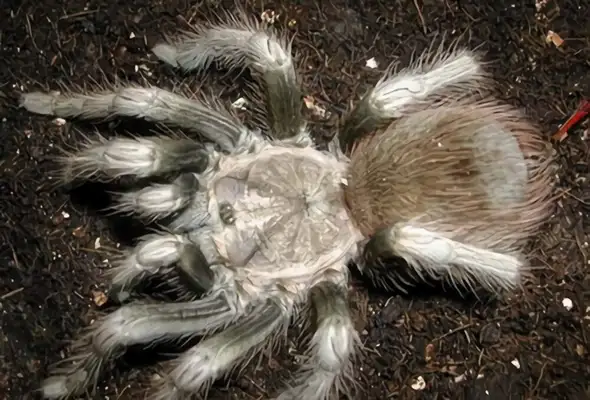
In Peru, gold and copper, known as Lasiodorides polycus, belong to a variety that has not been very visible in recent years, mainly because of the depletion of wild resources and the growth of its physical capacity around 16 cm.
Chinese: Golden Copper in Peru
Latin name: Lasiodorides polycus
Yako: Theraposidae
Origin: Central Peru
Habitat type: tropical rainforest
Adult form: 13-14 cm foot development
Appropriate temperature: 26-28°C
Appropriate humidity: 70%
Substrates used: wet peat/coconut/cracker/colate Peruvian gold and copper
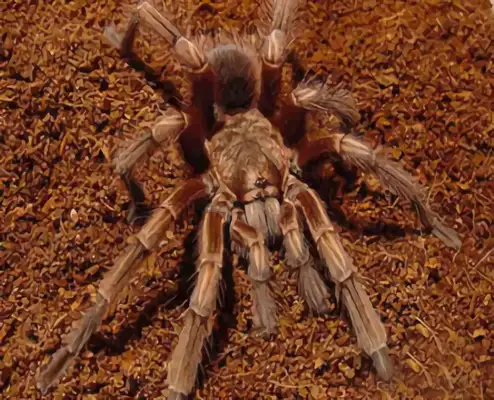
In Peru, gold copper was once welcomed by the players in pet hunting spiders, but its visibility in recent years has not been very high due to the depletion of wild resources in recent years.
Peruvian copper spiders, which are medium-sized pets, catch bird spiders with adult sizes of 13 to 14 cm, although they are very gentle, are small and offensive and do not have a high degree of kick, and are considered suitable for first-time breeders. Their little larvae are silver gray, and as they grow up, they gradually show gold and copper marks, which is why their names come from. Point of gold and copper breeding in Peru
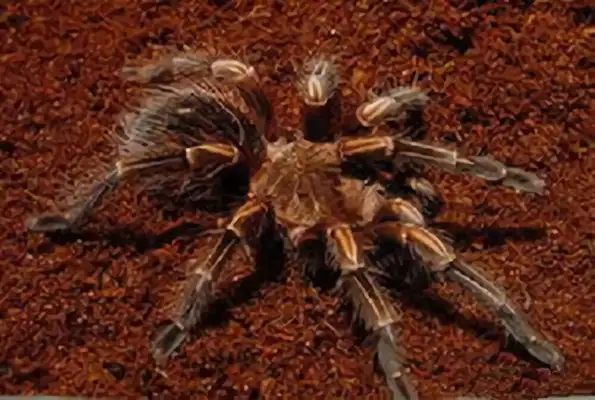
In recent years, because of the depletion of wild resources, Peru's gold and copper species have been rare, but they are a very suitable species for starters, and they are special and suitable for new players.
The golden copper spiders in Peru are not growing fast, and care is taken to maintain the moisture of the base in their breeding, providing a place to hide. If the base is thick enough, young children dig their own caves to hide. For temperature 26-28°C and humidity 70%, wet peat, coconut brick, clay is recommended as the base. Elements of a gold and copper culture environment in Peru
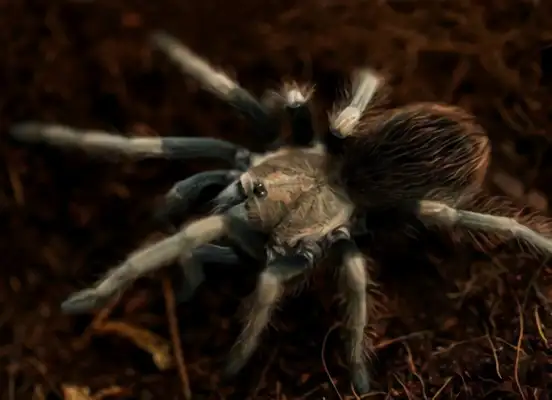
Although the price of gold and copper in Peru is less pro-people, it is also a type recommended for introduction to new players, with fewer gold and copper kicks and a relatively moderate personality, which is endemic.
In Peru, where gold and copper are suitable for breeding at a temperature of 26-28°C and 70% moisture, wet peat, coconut brick or clay are recommended as the base. A place of refuge can be provided for them to hide. If the base is thick enough, young children dig their own caves to hide. Point of gold and copper feeding in Peru
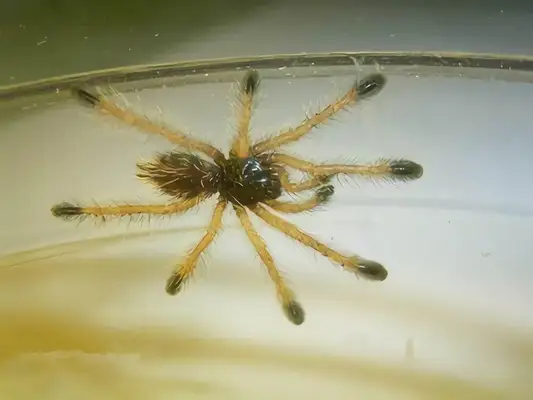
In Peru, copper was once one of the most popular species of pet-poachers, with a temperamental character and one that was recommended to new players with no experience in breeding.
Like the usual pet-catching of bird spiders, Peruvian copper is the staple food of insects such as cricket and cockroaches, and since Peruvian copper can be formed up to 13-14 cm foot, it can occasionally be fed to birds or mice.