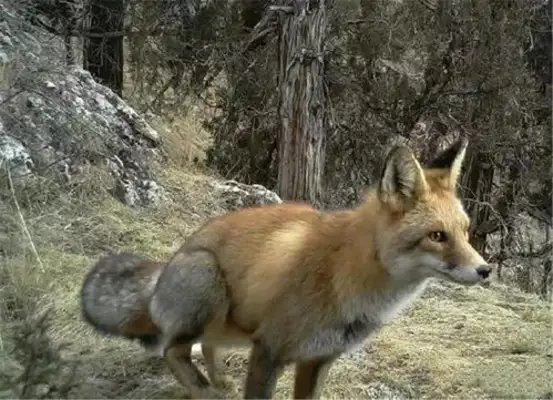
Red fox, a fascinating fox pet, has gradually entered the eyes of many animal lovers. Such a beautiful and sophisticated animal not only attracts people with its handsome appearance, but also becomes a “star” in the pet world because of its complex character and special breeding needs. We will give you detailed information on the maintenance of the fox in terms of the overview of varieties, character characteristics, breeding techniques and hair care.
I. Overview of varieties
Vulpes vulpes, also known as Red Fox, is one of the most widely distributed and representative species in the foxes. They originate in the vast regions of the northern hemisphere, including Europe, North America and Asia. In the wild, the size of the fox is about 45-90 cm, the length of the tail can be 30-50 cm, the body weight is usually between 3-12 kg, the body is beautiful, the body is coated with thick orange hair, the abdominal and leg colours are dim, and the top of the tail often carries a circle of white edge.
Red foxes, as pets, have been bred and domesticated, are slightly smaller in size than in the field and are more adapted to the family environment. Their agility and agitation have turned them into dynamic partner animals, but at the same time their wild instincts have to attract the attention of the feeders.
II. Characteristic characteristics
Red fox has a mutated character, with both subtlety and gentleness. They are smart, alert and search-minded, and sometimes they display behaviour similar to “trumpy”. Red fox prefers to be alone, has a certain sense of territoriality, does not easily trust strangers and may show caution or even vigilance in initial contact.
Once a relationship of trust has been established, the fox can also show a gentle, intimate side. They prefer to express friendship with physical contact, such as taunting, licking or even stinging around the feeder. Due to its high intellectual and curiosity levels, Red Fox likes to play various intellectual games and to stimulate their cognitive abilities through incentive mechanisms, it is a kind of pet that needs stimuli.
Of course, due to its wildness, the fox sometimes shows a tendency to dig, bite or run away and must be guided by training and environmental placement.
iii. Food management for rearing techniques: Red fox is a groceries, and it is recommended that high-quality animal proteins, such as chicken, fish, eggs, be dominated by small quantities of fruit and vegetables. Avoid salt, oil or surplus human food to avoid digestive problems while ensuring fresh food. Living space: Red Fox needs a large and safe space for its activities, preferably with an outdoor fence to simulate its natural habitat. Nevertheless, they are sensitive to temperature and should avoid extreme heat or cold. Behavioural training: The introduction of positive intensive training has been more effective because of the wisdom and ease of learning of the foxes. The creation of regular, multi-basic incentives to help them develop good habits. To ensure that there are enough incentives in the environment, such as toys, grab boards, etc., to reduce boredom. Social interaction: Red fox has limited human intimacy, and it is recommended that confidence be built gradually, but that they not be forced into excessive contact. A certain amount of time per day of interaction helps to increase feelings. Periodic health check-ups: Maintenance of a good rearing environment, regular deworming of lemurs, health check-ups and, where necessary, professional consultations with veterinarians.
iv. Regular hair care combing: At least once a week with a soft hairbrush, especially during the hair exchange season, encrypted combing reduces hair loss and hairball formation. Combination helps to promote skin blood circulation and to check for skin variability or parasites. Frequency of bathing: It is not appropriate to take frequent baths in order to avoid damage to the leather membrane, usually every two to three months, using a mild purifier special for pets. After the wash is completed, the drying should be sufficient to avoid cold in the cold weather. Hairdressing: When changing hair in spring and autumn, it is a period of emphasis on combing and repairing. Flesh gloves can be used to help clear dead hair and impurities combined with hair. Nutritional supplementation: Sound nutrition enhances hair glitter and food rich in Omega-3, Omega-6 fatty acids is essential for hair health. (b) Observation of hair: Hair is abnormally dim and thin, which may be signs of malnutrition, skin disease or parasite infection and should be diagnosed in a timely manner.
It takes patience and care to raise a lemur. Their wildness and wisdom give life many tastes and pose many challenges. If you take care of yourself, the fox will become a dynamic, intelligent partner in your life, bringing endless pleasures and surprises. Caring Road, a journey of patience, understanding and love. Are you ready?