Dogs, as faithful human friends, can perform many tasks, and working dogs are generally called work dogs, one of which is called therapeutic dogs. In the United States, there is growing evidence that dogs are able to cure some of the diseases, and the use of dogs for the treatment of patients with heart disease is significant. In one 12-minute experiment, the level of anxiety decreased by 24 per cent between the volunteer patients in contact with the treating dog and another group of patients in contact with the untreated dog, who found in their own experiments that the treating dog could reduce the pain level of the patient.

The treatment of dogs also helps children and adults with claustrophobia, accompanying and comforting elderly and sick people with special needs. By bringing love to people, therapeutic dogs make those with special needs feel no medicine and no human being can bring them comfort, warmth, trust and love. It's not just a dog that can do this.

In the United States, little boy Jayden has a two-way emotional disorder.
Every time his mood collapsed and his cat, Kitty, instead of being scared away, moved in front of the meeting, licked the master's hair, fell down on the floor and interacted with him, comforting him, and such warm company always calmed Jayden.
Now that the number of people suffering from mental illness is increasing, medications cannot be treated, such patients are often emotionally unstable, and interventions that are perceived as aggravating when they get out of control may have a different effect, but dogs and cats can feel changes in the mood of their masters and so comfort them.
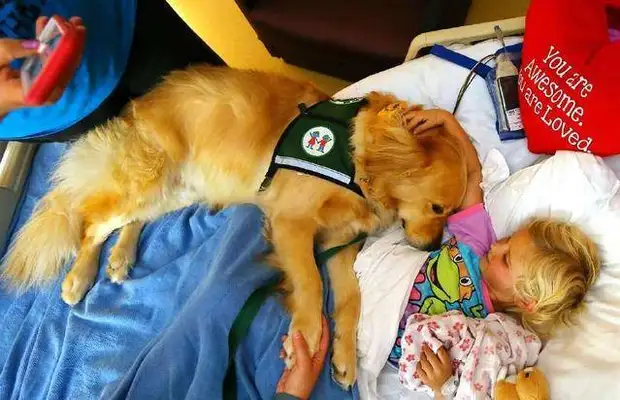
The pets are more than just a hairy child, they are the partners of the whole life, and they bring you comfort in joyful emotional comforts. In a world of warmth, the pets spend their lives bringing happiness to their masters, so that the company of cats and dogs can help in the treatment of psychological and mental illness.