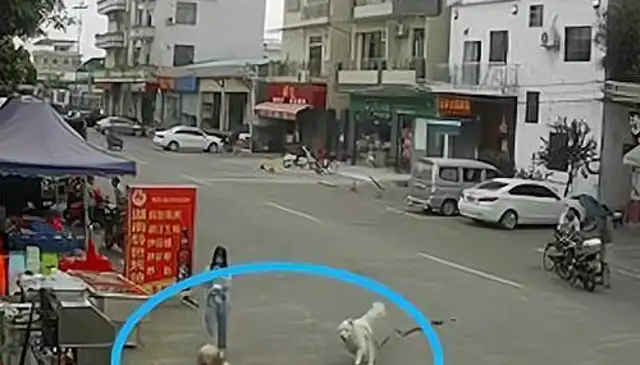
A young girl led a dog through the street, while two dogs were chasing him, and the dog led an old man to the ground, and the dog-in-law saw the old man, and turned away from the scene, and the woman ran away. The old man lay on his head and was taken to a hospital where he died. The police reported that it was a 12-year-old girl who brought another villager out of the house with a dog attached to her door, during which the dog broke out of the rope and accidentally tripped the old man to death while running. The police initially assessed the incident as an accident.
In reality, dog injuries are more common. The Civil Code sets out, first and foremost, general liability for damage caused by animal husbandry: if the animal raising is causing damage to others, the animal breeder or manager is liable for the violation; however, it can be shown that the damage was caused by wilful or gross negligence on the part of the victim, without liability or mitigation.
In addition, the Civil Code provides that, if, in violation of regulatory provisions, no safety measures are taken against animals to the detriment of others, the animal breeder or manager is responsible for such violations. Safety measures against animals are an obligation of animal breeders or managers. In the case of dogs, for example, dogs should be taken out with a canine chain to hold and avoid others, in particular the elderly, the disabled, pregnant women and children, and when in elevators there are many people who advise dogs to wear mouths or cages to avoid pet injury.
The Civil Code also provides for stricter liability in the case of injuries to humans caused by dogs, dogs, and dogs: if a dangerous animal, such as a dog, is raised, the animal breeder or manager shall bear responsibility for the violation. The judge explained.
In reality, there are also frequent incidents of abandonment of fleeing animals. In this regard, the Civil Code provides that if an abandoned or escaped animal causes damage to another person during abandonment or flight, the original breeder or manager of the animal is liable for the violation. In reality, some of the incidents of animal damage are caused by abandoned or fleeing animals, such as stray dogs, stray cats, etc., where the original breeder or manager is responsible for the abuse, regardless of whether the animal is abandoned or escaped. Therefore, both the breeder and the manager should be responsible for the animals that they raise or manage, to guard against the animals being removed from their physical control, let alone abandoned easily.
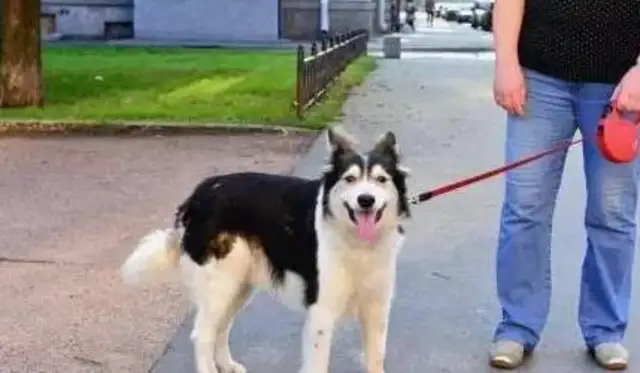
We then assume that if the girl in the picture is the owner of the dog and has her own dog looking at the dog, that is, the breeder or manager. The excessive length of the dog-carrying rope, the absence of the manager during the trip and the absence of the appropriate dog kit are all regulated and must be in violation: local determinations are made in accordance with local standards; local determinations are not made in accordance with national standards; and care is taken to combine standards of dog-keeping management and care for ordinary people.
The regulation here must be linked to the injury to others, since there are many types of regulation that are not necessarily directly related to the damage, such as registration. However, the failure to wear dog utensils, the failure to hold dogs, the failure to inject the vaccine on time, etc., is linked to the damage.
If the minor is a minor, her legal guardian assumes alternative responsibility under article 32 of the Tort Liability Act, and the guardian pays compensation; if the minor has his or her own independent property, the minor ' s property is paid first and the guardian assumes supplementary responsibility. In the case of adults, the responsibility lies with them.
Therefore, when the pet owner walks with the dog, it is important to remember to wear protective gear for the pet, to tighten the rope where there are more pedestrians and not to be too long. Take the dog as far as possible to an empty place without pedestrians. When a pedestrian encounters a dog in the street, he/she is asked not to play with his/her dog without the permission of his/her master to avoid injury. If a dog chases a fight, don't look around.