Designation: PET4724
National origin: Lasarte, France
Epidemic: ballworm disease
Life: An overview of otter rabbit species 6-7 years
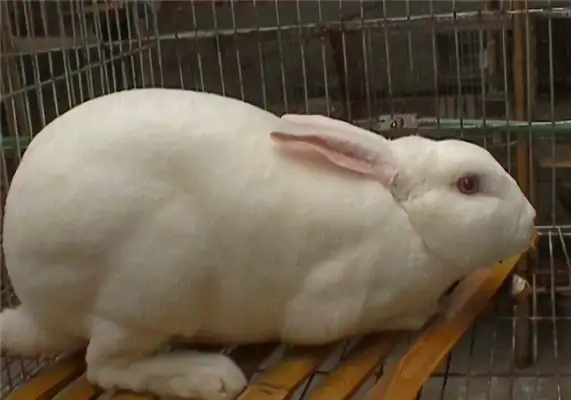
The otter rabbit is also known as the otter rabbit because he looks like a otter. The otter rabbit is a leather rabbit species that is famous both in our country and in the world. It is a classic economic rabbit species, both for reproduction and for improvement.
Chinese literary name: otter rabbit
Don't call it "Rixie."
Context: Animals
Programme: mammals
FIND: RABBITS
Section: Rabbit Section
It's a rabbit.
Spec: otter rabbits
Distribution: Born in Lasarte, France, and available throughout the world.
Development of history: Started in 1919.
Introduction to China: 1957.
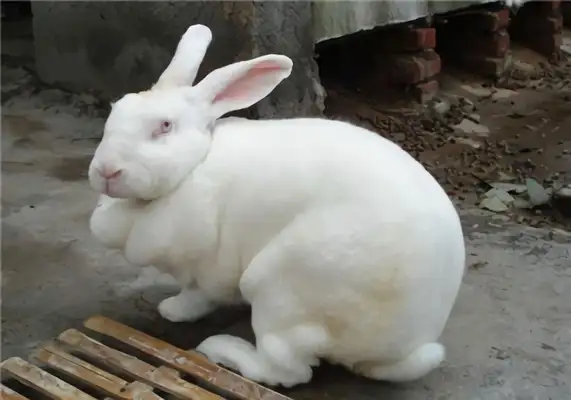
Appearance characteristics: otter rabbits are symmetrical, they have meat under their cheeks, their ears are long and straight, they have to be thin and curly, they are fine, thick, short and flat, they look beautiful, and they have a cool silk feeling on their hands.
Reproduction properties: The age of sexual maturity of otter rabbits is 3.5 to 4 months, the age of primary male rabbits is 6 to 7 months, the age of female rabbits is 5 to 6 months and the age of use is 3 to 4 years. Characteristics of the otter rabbit form
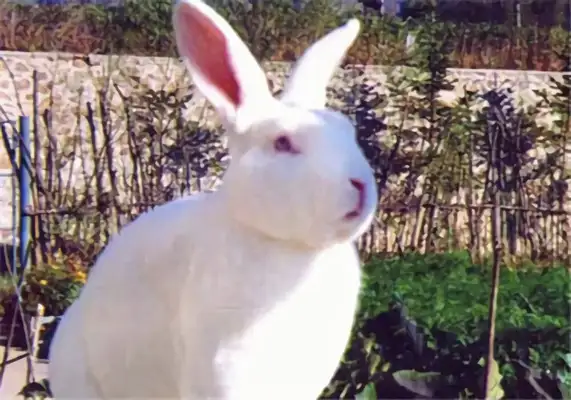
The otter rabbits we usually see are white, black and blue, but there are many colours of otter rabbits, which certainly add a little market share to the otter rabbits. The fur of the otter rabbit is of good quality and a good material for making leather coats and hats.
The otter rabbits are symmetrical in size, and they have flesh under their cheeks, their ears are long and straight, they have to be thin and curly, they are fine, thick, short and flat, they look beautiful, and they have a cool silk feeling on their hands. To date, there are over 90 colours, of which the United States has been identified with beaver colours, white (including special white), red, blue, blue and blue.
The stork rabbit has a small and long head, has about two thirds of its head, with large mouths, mouths, long mouths, thicker tentacles, large eyes, on both sides of the head, with a single-eye vision of more than 180 degrees. The eyes of otter rabbits are of various colours and are generally one of the important features of different colours, such as white otter rabbits in pink and black otter rabbits in brown. Ears are medium and can be rotated freely. The neck is thick and short and the contours are visible. The chest is small, the abdomen are large, the back is bending and the bow is slightly shaped, the hips are wide and developed, the muscles are full and symmetrical. Five fingers for the front, four toes for the back, all kinds of colors for the claws. The knowledge of otter rabbit care
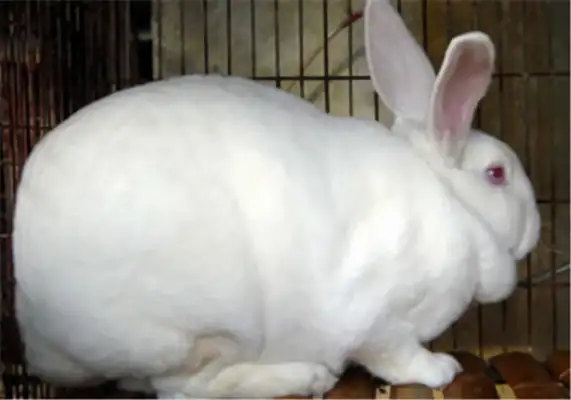
The raising of otter rabbits is usually in the form of a farm, so, although it is easy to raise otter rabbits, disease is difficult to prevent, and a single outbreak usually results in half of the farm being infected, with considerable economic damage, so that disease prevention takes a prominent place in the care of otter rabbits.
First, in order to ensure a normal life and activity for otter rabbits, the choice is made for rabbit cages that are prepared for pet rabbits, which are more readily available to market for specialized rabbit cages, or to be constructed using brick structures or cement prefabricated structures. The cages of the otter rabbits are made as wide and comfortable as possible, depending on the number of rabbits they own and the size of the rabbits.
In raising otter rabbits, one rabbit cage, young rabbits gradually split into cages, and male and female. Of course, if only one pet rabbit is taken care of at home, then these issues need not be considered. In promoting life, it is advisable for the owner to direct the otter rabbit to some appropriate exercise in order to improve physical exercise and improve physical resistance, beyond being prepared for a comfortable living environment.
When raising otter rabbits, it is primarily the prevention and timely treatment of diseases. In life, clean rabbit nests and surroundings. The otter rabbit is regularly bathed, and his hair is trimmed daily, and alien objects around his ears and eyebrows are emptied in a timely manner in order to maintain his health and avoid the effects of bacterial viruses. Of course, if any abnormal behaviour or habit of the otter rabbit is found, the owner should draw attention to the need for timely veterinary diagnosis to ensure the safety of the otter rabbit. The stork's environment.
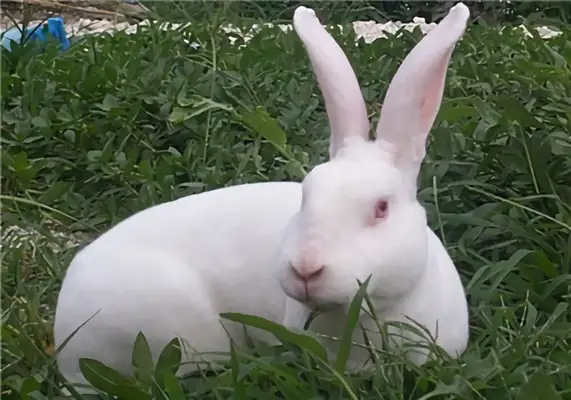
The otter rabbits are less environmentally demanding and are a more adaptable species, but the masters need to provide them with an excellent environment because it is the best way to ensure that the otter rabbits are not ill, grow well and, above all, that the fur is healthy and economically efficient.
I. Construction conditions
There is no industrial “triple waste” in the 200m radius and upstream of the rabbit farm, nor is there a source of pollution that threatens the environment, such as livestock waste, hospital sewage and waste, urban waste and domestic sewage. At the same time, rabbit houses should be built in areas of high terrain, dry ground, low groundwater levels, good drainage, solid soil, sun, wind, air flow, far from residential areas and major transport routes; and in areas such as low-lying lands, sewage areas, mountain flood vents, winter winds and epidemics.
II. PRODUCTION OF RABBITS CACK
The side wall, the back wall and the excrement sheet of the rabbit cage were made of cement prefabricated plates. The cage is 76 cm wide, 65 cm long, 46 cm tall, made of a bamboo plate, 2.5 ~3 cm wide, 2 cm wide, with a 14 ~18 cm gap between the slab and the slab, tilted at 15° and reaching 3 ~5 cm forward and 8 ~10 cm backward; the back wall shall have a small window, which will allow ventilation and light, a barbed wire welding and a straw frame and drinker.
III. ENVIRONMENTAL
In order to keep the hare house clean, skylights can be opened southward and towards the sunside, while avoiding thieves. The temperature in the rabbit house is generally maintained at 5~28°C. The temperature of the adult hare house is maintained at 5°C and not less than 10°C. Relative humidity of 60%-65% in the shears, noise below 85 dB and light of 20 Lx. During ventilation, the rate of indoor wind flow shall not exceed 0.5 m/s during the summer and 0.2 m/s during the winter. Indoor harmful gases should be limited to the point where ammonia otter rabbits are raised.
In the diet of otter rabbits, it is first necessary to ensure full nutrition and normal growth and development, with secondary attention to feed formulations with nutrients that ensure the health of furs, such as some amino acids, which are important at the maturity stage of fur.
I. The daily food formula standard
1. Feeding standards: Daily food digestive energy (MJ/kg) for rabbits growing, adult rabbits and breast-feeding rabbits, 10.46, 9.20, 11.30; coarse protein (%) 15, 14, 17. Tests have shown that 0.60% lysine, 0.65% lysine and 0.61% sulphate should be present in the daily weight increase of 35 to 40 g rabbits. The intake (g) was 150, 125 and 250 ~ 300, respectively.
2. Proportion of materials used: when combined with daily foods, the general raw materials use approximately 35% ~ 45% of the gross feed (dry grass, straw, vines, etc.), 25% ~ 35% of energy feed (maize, barley, beryllium, rice, etc.), 5% ~ 10% of plant protein feed (beans, cabbage, etc.), 1% ~ 5% of animal protein feed (fish powder, skin powder, etc.), 1% ~ 3% of inorganic salt feed (bone powder, stone powder, etc.) and 0.5 ~ 1% of feed additives (measles, amino acid, etc.). Feeds are made of granular feed, and the use of all forms of rotten and detestable feed is strictly prohibited in order not to affect the health of otter rabbits.
II. Recommendations for examples of formulations
1. Growing rabbit formula
25 per cent barley, 5 per cent maize, 28.5 per cent gill, 20 per cent dry grass, 18 per cent soybean, 3 per cent shell or stone powder and 0.5 per cent salt, plus appropriate anti-ballet agent. The daily feeding rate is 25 to 100 grams, and it weighs about 25 grams.
2. Lactation rabbit formulation
13 per cent for barley, 21.5 per cent for aluminum, 30 per cent for beryllium, 10 per cent for grass, 22 per cent for beans, 3 per cent for shell or stone and 0.5 per cent for salt. The daily feed is 500-750 grams, the precision 100-200 grams, and the average January-year-old rabbit can weigh about 500 grams.
3. Skin maturity formulation
Skin 38.2 per cent, maize 5 per cent, rice 13 per cent, beans 15 per cent, green grass 27 per cent, salt 0.5 per cent, stone powder 1 per cent and egg amino acid 0.3 per cent. Forage is provided to maturated rabbits of 120 to 165 days old, with a daily feed of 75 to 100 grams, a good quality of fur and a slight increase in weight.