Introduction to the Robusta cat species
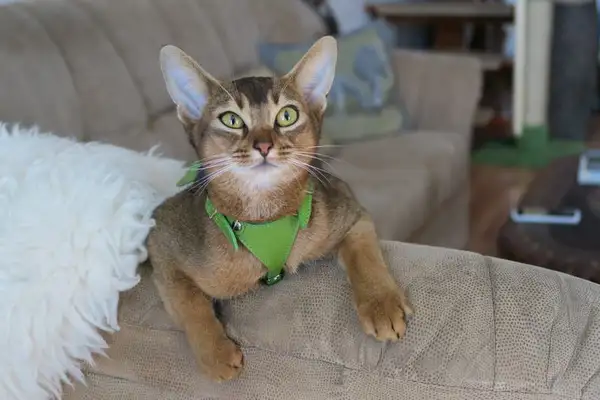
Ragdoll is a large cat species that is widely admired by its unique character and beauty. From the United States, this cat is known for its gentle, friendly and well-suited character. Not only do they have impressive blue eyes and soft hair, but they also have the personality of a very close family, fit for families who like to have intimate contact with cats. This paper will provide a detailed account of the Robsta Cat from the overview of the variety, character characteristics, rearing techniques and hair care, and will help the owner of the cat who wants to take care of the species. I. Overview of varieties
The history of the Robster cat dates back to the United States in the 1960s. Originally nurtured by Ann Baker, she mixed a few gentle cats with other cat varieties, creating them. "Ragdoll" in the name of the Robsta cat comes from a unique act of theirs. When picked up, cats become soft, like a doll, without any resistance. This is also one of their greatest features.
Robsta cats are larger, with adult cats usually weighing between 4 and 9 kg, and males are more likely than females. Their bodies are strong, their skeletons are wide, their chests are wide, their tails are thick and of medium length. The hair is soft and long, with a half-length feature. Robsta cats usually have four basic patterns of hair color, including color dots (Bicolor), gloves (Mitted), solids (Solid) and gradients (Colorpoint), which, together with their deep blue eyes, make them visually attractive. II. Characteristic characteristics
Robsta cats are very friendly, they are typical “human partners” cat species that depend heavily on and enjoy interaction with human beings. They are gentle, close not only to the master but also to strangers. This makes them ideal family pets, especially those with children or other pets. Robsta likes to stay with the master and even wants to follow him around, showing great dependency.
Another striking feature of the Robusta cats is that they are extremely quiet, preferring to remain quiet, and usually do not proactively create noise or conflict. Such cats are also very smart, easily trained, able to learn simple instructions or techniques quickly, and are often used for some interesting performances. While they prefer to interact with people, they are not too active or naughty for families seeking quiet company. III. Livestock techniques
The diet management of the Robusta cats is of a larger size and therefore their diet is relatively high. In order to maintain their health, the owner needs to provide high-quality cat food to ensure nutritional balance. Select protein-rich and low-fat cat food and control the weight of cats in appropriate quantities, as overweight can place burdens on their joints and hearts. If not, it would be preferable to follow the veterinary advice.
Despite their overall health, Robsta cats are vulnerable to diseases such as heart disease, urinary tract infections and other diseases due to their large size. As a result, regular health screening of cats is essential, especially when they are older. Veterinaries can regularly examine their heart, joints and other health problems to help ensure that they remain in the best health condition.
The modestly active Robsta cats, though less sport than some active cats, still require a certain amount of activity to maintain health. Provide rich toys and enough climbers to encourage them to carry out light sports. By interacting with cats, it not only consumes their energy, but also deepens the feelings between the owner and the cat.
Regularly caring for the hair of the Robster cat requires regular combing to prevent the hair from convulsing. Ideally, it should be combed at least once a week, so as to remove loose hairs and prevent hairball formation. More frequent combing is required, especially in the spring and fall periods. Robsta cats need regular cleaning of their ears to ensure that there is no accumulation of dirt or mites. IV. Hair care
Robusta cats have long hair and soft hair, so their hair care is one of the most important parts of the maintenance process. In order to prevent hair convulsion, reduce hair loss and maintain hair health, the owners need the following care measures:
The daily comb uses a suitable comb (e.g., a comb or a wide-tooth comb) every week to brush the hair of the Robsta cat, especially during the hair exchange season. This not only helps to remove loose hair, but also promotes skin blood circulation and avoids hair knots.
While the hair of the Robusta cats is naturally resistant to water, regular bathing of them still helps to remove excess oil and dirt. Every few months, baths are taken, with a soft cat's special shampoo. Be careful in the shower to avoid water entering the ears.
Skin-healthy Robsta cats are sensitive to skin, so care is taken to observe skin allergies or dry conditions during care. In the event of an anomaly, consult the vet in a timely manner and choose the suitable skin-care product. Summary
Robsta Cats are ideal family pets that have won the love of countless pet lovers by virtue of their gentle character, elegant appearance and deep emotional ties to human beings. Despite their need for some hair care and health management, with sufficient attention and care, the Robsta Cat will undoubtedly become a faithful partner in the family, bringing you endless happiness and company.