Designation: PET6272
English
Origin: Overview of the species of Indian Ocean butterflies
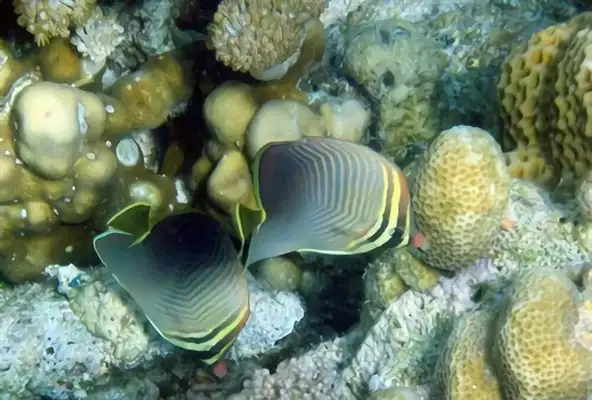
The Indian Ocean tsarxine, which originated in coral reef areas of the Indian Ocean, has a very beautiful shape, as detailed in the picture of the Indian Ocean tsarx. Since the Indian Ocean tsarxes are seawater fish, there is some difficulty in breeding them, and it is important to allocate appropriate water quality to them.
Chinese name: Indian Ocean butterfly
English
Latin name: Chaetodon triangulum
Geographical distribution: Coral reef areas in the Indian Ocean, covering Madagascar to the Andaman Sea and the western Indonesian archipelago. 479 Vl8R-IntoPet.com-2Hx3605
Climate zone: tropical
Endangered: Not in IUCN Red Book
Reproduction mode: Dynamite Indian Ocean tectonic properties
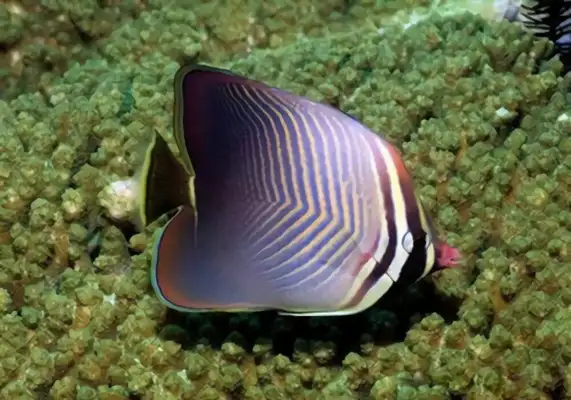
In the Indian Ocean, the largest fish size is 16 cm, with back fin roughs (total): 11-12; back fins (total): 23-26; hip-fins: 3; hip-fins: 20-22. In addition, the Indian Ocean butterfly is of a sectoral nature, so mixed breeding requires attention to mixed varieties.
Fish rises to an egg cylindrical, very flat on the side, with a flat contours above the head and a slight dent in the nose. The kiss is sharp, but it does not extend to a tube, with a nostril in front of the nose. Ex-gill lids are fine-cut, and the gill membranes are connected to the isthmus. The body is covered with medium scales, single back fins. The body is white with ten grey blue arrow stripes on its side; three additional orange red to black arc bands on its head and the first on its kiss; the second is eye belts, which are narrower than the eyelids and extend backwards to the front of the abdomen; and the third, which is covered from the back to the back of abdomen with the three black bands white to light yellow. The back fins are yellow and green and the back fins are white. The difference between the Indian Ocean and Chaetodon baronessa is very similar. The difference is in the tail, where the tail of the Indian Ocean is close to the tail, with a yellow arrow line, which is not. Indian Ocean butterfly breeding environment
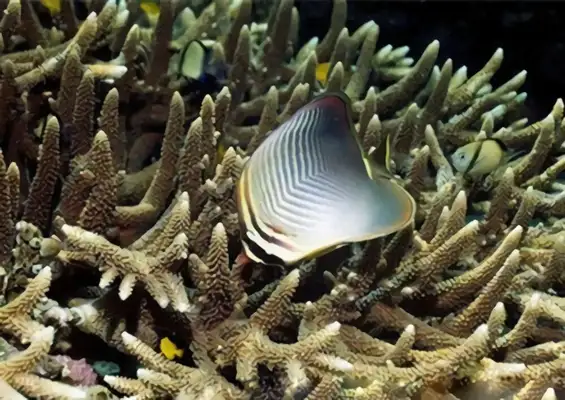
There is some difficulty in raising the Indian Ocean tsarx, for which the allocation of suitable water-quality environments is a very important component, since it is seawater fish. In the Indian Ocean, where the water temperature of the tsarxine survives in the field is typically 22-26°C, it is recommended that the water temperature be below 28°C and PH is recommended at 8.1-8.4.
In the Indian Ocean, where the treasant butterflies inhabit waters between 1 and 25 metres deep in the lagoons and surface coral reef areas, fish species usually live in axle-pore coral areas, particularly in the vicinity of Staghorn Acropola. Most of them live in pairs and have a certain area. The juvenile fish live alone in the coral sprouts. The Indian Ocean is located in coral reef areas of the Indian Ocean, ranging from Madagascar to the Andaman Sea and the western Indonesian archipelago. Food for Indian Ocean butterflies.
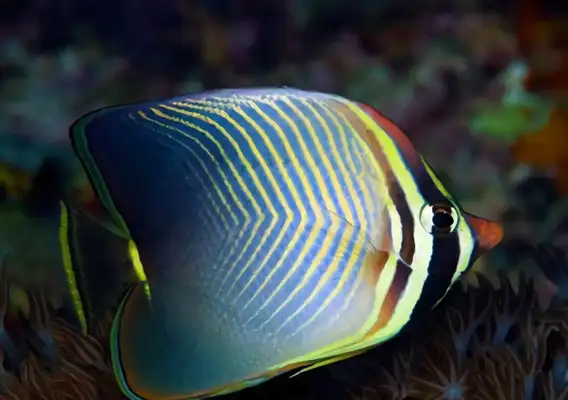
Since the Indian Ocean butterfly is a fish-watching species fed by coral insects, it is possible to feed the Indian Ocean butterfly artificially by using bait to make them accustomed to eating raw bait and frozen shrimp. It is important to note that baits such as bait must be sterilized before feeding the Indian Ocean Emperor.
In the Indian Ocean, a larvae is impregnable and a species of fish that feeds on coral insects. Wild Indian Ocean butterflies prefer to live in waters between 1 and 25 metres deep in lakes and surface coral reef areas, and adult fish usually live in axle-porous coral areas, especially near Staghorn Acropola.