Family check-ups: a complete health check-up list and response programme for reptiles
As a foster care specialist, I'll make you a medical guide for the reptile family. It not only helps you to identify potential problems, but also gives you concrete improvements and urgent response steps. Below is a summary of the four components: “Content focus, checklist, recommended measures, complete response”.
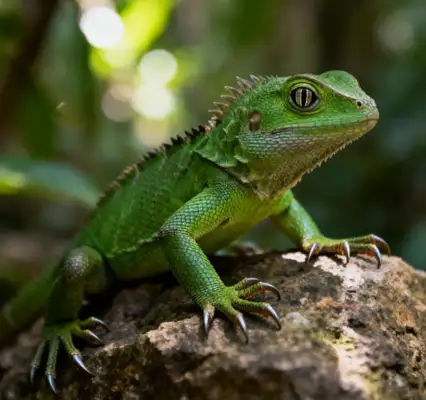
First, focus on content: Early detection of signs of abnormality through daily observation and self-censorship of the environment, avoiding minor diseases as a major problem. Core elements: stability of habitat, suitability of temperature and humidity, adequacy of light and ultraviolet light, normality of drinking water and appetite, stability of weight and excretion, health of skin, eye and respiratory mouth, smoothing of skin skin and behaviour. Action orientation: Specific changes are made to address the problems identified, and veterinary doctors are contacted for diagnosis and treatment when needed.
Check whether the size and layout of the CHecklist habitat meets the needs of the reptile activities and the Basking region (with hidden places, climbing structures, rest points). The bottom is clean and clean, and garbage and excreta are regularly cleaned to avoid the smell. Temperature humidity and light temperature gradients: whether the warm and cool areas are clearly partitioned to create a stable temperature gradient. Humidity level: Whether it meets the daily needs of the species and whether it is protected against tide and air. Light and UVB: Whether the UVB/UVA light source is effective at a distance, or whether it is long in the light (most reptiles require a round-the-clock pattern). Drinking and nutritious drinking water sources are clean, water bowls are clean and periodically replaced. The diet is regular, the variety of food is diversified according to the variety of food needs, and there are supplements of larvae and vitamins (as recommended by veterinary doctors). Weight and growth are weighed regularly and trends are recorded; medical treatment is required for continued weight loss or volatility. Discretionary signs and behavioral eye, nose, mouth indiscretion, no red swelling, no haemorrhage, etc.; smoothness of breathing and no breathing; normal skin colour and smooth skin skin skin; active behaviour and normal reaction to environmental irritation. Skin and skin skin skin are non-fissified, non-specified; skin skin is intact and local presence is subject to treatment. The form, colour and content of faeces and parasitic faeces are regular, and there are no blood filaments, no mucous abnormalities; and no smooth defecation. Safety and hygiene equipment is secure, access is free of dangerous entanglements, clean-up programmes are clear, and cohabiting animals need quarantine observation.
III. Specific practices and recommended measures in the environment and equipment to ensure stable gradients between temperature in the hot zone and temperature in the cool zone; use of alternative heating sources to avoid temperature fluctuations during extreme weather events. The base materials should be regularly cleaned and replaced if necessary to avoid dust and mold. Hiding and climbing structures are regularly cleaned. Temperature and light temperature ranges are adjusted by variety: most terrestrial reptile areas are about 28-36°C and cool areas about 22-26°C; humidity varies between 30 and 70%. If not, please indicate that “the range of target areas is based on the demand for the species”. The UVB lamps are replaced every 6 to 12 months, and the distance of the tube from the reptile is determined by the manufacturer to ensure that the daylight time is stable at 12 hours light/12 hours dark. Drinking water and nutrition provide fresh sources of water to avoid the long-term obscurity of water basins and the principle of diversity in daily diets to avoid single foods leading to nutritional imbalances. For trace elements (e.g. calcium, vitamin D3) that need to be supplemented, please follow the dose and frequency recommended by the veterinarian. Weight and skin surveillance calls weight every 2-4 weeks, drawing a simple curve; medical treatment is required as soon as possible if body weight decreases significantly or persists. A moderate increase in humidity and provision of a moist skin-skin-aid environment during the pelting period, while avoiding long water stains on the skin. A simple daily log is established for observation and documentation, including weight, intake, drinking water, defecation, sleep/activity time, skin skin state, state of skin and eye, temperature and light. The response to common problems is reduced: the temperature of the environment, light, availability of food, substitution of feeding methods when necessary, or temporary attempts at different foods. Respiratory difficulties and an increase in nasal cavity: immediately examine the environment and contact the veterinary doctor as soon as possible to avoid self-use. Eye swelling, oral ulcer: keep the environment quiet, attend consultations as soon as possible and avoid self-treatment. Incomplete skin skins, dry skin cracks: increase local humidity and, if necessary, teach veterinarian advice on decomposition aids. Sanitation and day-to-day management cleans up faeces on a daily basis, regularly cleaning and disinfecting enclosure in order to avoid the accumulation of pathogens. Raised with other pets to reduce risk of cross-infection.
IV. Daily records and cycles of the complete response programme (emergency and day-to-day integration action plans) for health records: weight, feeding, defecation, skin peeling, humidity, lighting duration, environmental change. A comprehensive review is conducted weekly. Anomalous ratings were found to deal with minor anomalies (slightly reduced appetite, reduced energy, short-term agitation): first, environmental factors (temperature, humidity, light, variation of feed) were checked, adjusted on a case-by-case basis, with no improvement in medical treatment for 3-7 days. Moderate anomalies (continuous food denial, significant loss of body weight, respiratory difficulties, persistent vomiting or diarrhoea, visible eye and nose secretions): prompt contact with veterinary doctors and preparation of health files, most recent humid data and photographs. Severe abnormalities (sleeping, loss of irritation, signs of severe dehydration, haemorrhaging or swelling): immediately contact the clinic and, if conditions permit, first transfer the reptile to a quiet, warm, air-breathing environment, avoid irritation and send it as soon as possible. The emergency self-help elements (before waiting for consultation) maintain environmental stability and avoid drastic changes in temperature; ensure clean water sources to prevent increased dehydration; avoid self-treatment of openings and prevent further damage in the event of injury; and prepare information on varieties, age, weight, and last medical examination records for rapid communication at the time of consultation. Recording of field data: body weight, body temperature (where appropriate low-cost thermometers exist), environmental parameters, feeding and defecation, photo or video recording for veterinary diagnosis. Preparation for pre-diagnosis selection of trusted reptiles with complete information: variety, age, sex, recent feeding and drug use, enclosure parameters, recent abnormalities and time lines, and weight change. A history of drug taboos and allergies is noted, avoiding home-based self-medicating and strictly following medical prescriptions. Maintenance and prevention preparation of an annual medical examination plan: at least once a year, a professional assessment of health status is carried out, combining a comprehensive assessment of skin-skinning, feather condition, expediency, etc. Continue to optimize the environment: periodically assess the state of equipment (light tubes, heating elements, thermometers, humidity meters) and replace upgrades where necessary to ensure stable operation over long periods of time.