Designation: PET2911
English name: Marmoset
Vulnerability: intestinal diseases
Life: Overview of monkey species, 10-15 years
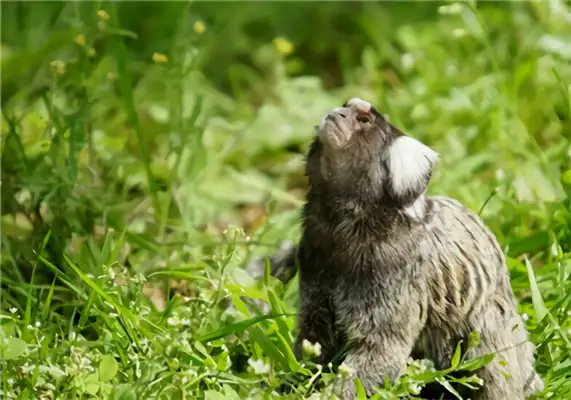
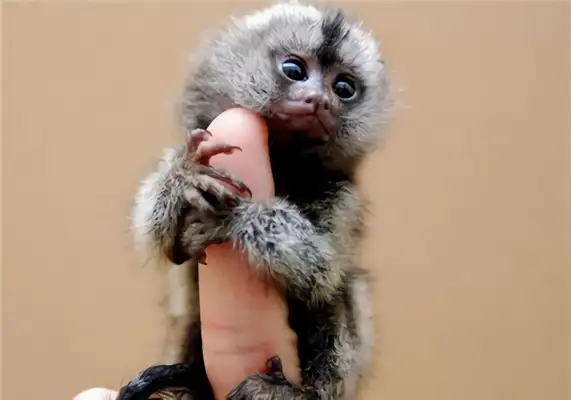
Marmoset, also known as a thumb monkey because of its small size, is very agile, especially when it's running around the woods and jumping. They are one of the smallest monkeys in the world in the forests of the Amazon basin in South America. The monkeys, who like to catch lice and are gentle, feed them, and become a hobby of local Indians.
Chinese literary name:
Chinese alias:
English name: Marmoset
Area: Animal
Door: spinal door.
Programme: Breastfeeding Programme
Objective: Presbyterian
Section: Longtail Monkey Section
A midget with a monkey.
Castes: Characteristics of the shape of the monkeys
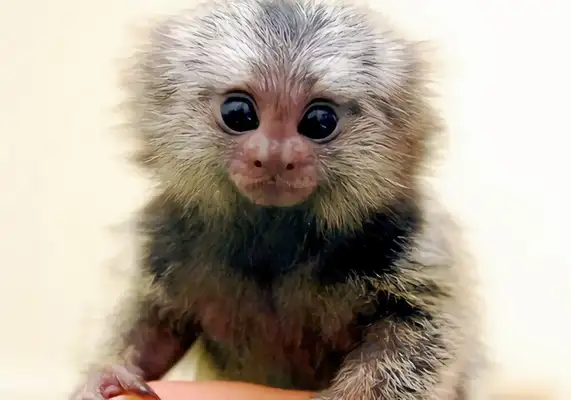
The most typical feature of the monkey is that its tail is longer than its body and its tail is entangled. Little Ling Ling's body is very agile. The height of the adult population is also between 10 and 12 cm, with a weight of approximately 80 to 100 g.
There are 3 out of 35 species of small, low-level apes born in Central and South America, and the tail of the monkeys is entangled, rounded, cheekless, noseless. The new monkeys are only of the size of beans, weighing 13 grams. All kinds of stuff are lively, tender and fragile and easily tamed. The monkey, also known as the "scrambling monkey", is famous for being able to put it in a bag or cage. The living environment of the monkeys.
Almost all monkeys like to climb, and there's a saying in the folk who plays monkeys, from which we can learn that monkeys are very lively and cute, of course. There is also a growing number of monkeys today, so how should families set them up?
Most of the monkeys are growing in the forests of the Upper Amazon in South America, and of course some are located in the upper Amazon in western Brazil, Ecuador and northern Peru.
Because the monkeys are very lively, they need larger cages. Enough for them to move. Almost all monkeys are used to living in trees, so the cage should be kept high and some branches prepared for monkeys to climb, while a slightly dark and hidden home for monkeys to rest peacefully during the day. Since there are no appropriate cages on the market for sale, doing so on its own may be the only option. All the monkeys are the same, the bottom of the cage is nailed to a wooden sheet, and the tail and feet are kept clean to avoid contamination with its own excrement. If the plank is too wide, the finger may reach down and touch the excrement by laying a barbed wire in the centre to prevent hand touching the bottom. A monkey breeds knowledge.
The monkeys do not eat fruit like other monkeys, while the monkeys do eat worms. They also eat lice, and the family needs to consider whether they can meet their food requirements or not. But the monkeys are quite good in character and are therefore popular on the ground. The period of pregnancy is 146 (140 - 150) days, the period of sexual maturity is 14 months, the period of menstruation is 16 days. Marriage is not seasonally restricted and can be produced in cages, ranging from one to three children per child, with a double birth rate of about 80 per cent.