Designation: PET4901
English name: Gryllulus; Gryllus
Vulnerability to disease: food stock
Life: Overview of cricket species for three months
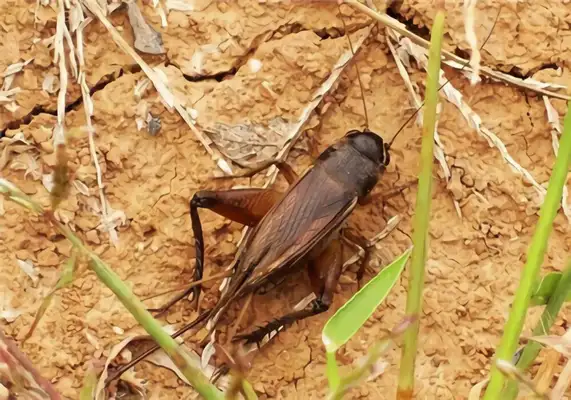
Cricket (Gryllulus; Gryllus) is known in China by a large number of people as Zen. Cricket is treated as a pest in the eyes of farmers and destroys the growth of crops. Men rejoice, fight and kill each other. Female individuals are larger, needle-holed or spear-shaped spawning tubes are naked and have small wings.
In the cricket family, female and male crickets are not “hundred years of good” through “free love”. Which male cricket fights with courage and defeats other same-sex persons, it acquires possession of the female cricket, so that “polygamy” is common in the cricket family.
Chinese literary name: Cricket
Chinese aliases:
English name: Gryllulus; Gryllus
Two words: Gobiodon okinawae
Area: Animal
Door: arthropod door
AA:
Outline: Isecta, formerly known as the "Sixle Foot Programme".
APA: With wings
Head straight.
A: A: A: A: or A: A:
Section: Gryllodea, Gryllidae
Cricket
Distribution: Wide distribution. Cricket Form Features
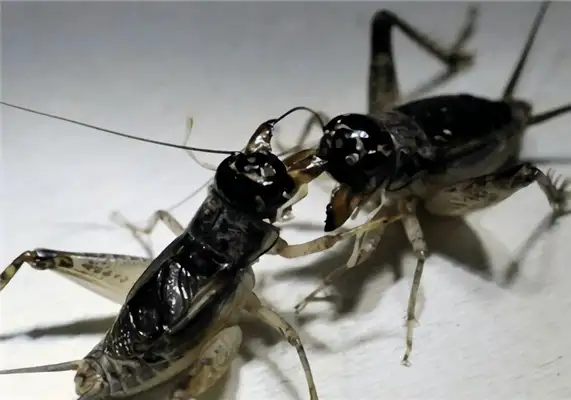
Since cricket is scattered throughout the country and there are thousands of different sub-species, individual differences are relatively large, but most crickets are small and medium-sized and a few large. It's almost all black and brown or black.
Crickethead, chest width, tentacles. Chew mouth. Some of them are more powerful than bites. Three knots each, the front and middle foot are similar and long; the back foot is developed and jumps well; the ears on the front foot are larger than the inside.
The outside of the spawner, needle or spear, consisting of two pairs of piping petals. Both male and female have a pair of tails. There's a pair of abdominal piercings on the male abdomen. Females are larger, needle- or spear-shaped spawning tube naked, with small wings. The male has a pronunciator on his wing, which consists of scratches, friction veins and pronunciation lenses on his wing. Raise your wings, rub your left and right, and shake your pronunciation mirrors and sound.
Cricket forms more of a drum, with a thick rear leg, and a tiny silk tentacle longer than the body. There are two long tails at the end of the abdomen, and if it is a female, there is an egg-laying tube longer than a tail, and there is a way to distinguish a female from a male, with clearly condensed wings, and a straight wing is a female. The special thing is, his hearing is on the front foot. Cricket living environment
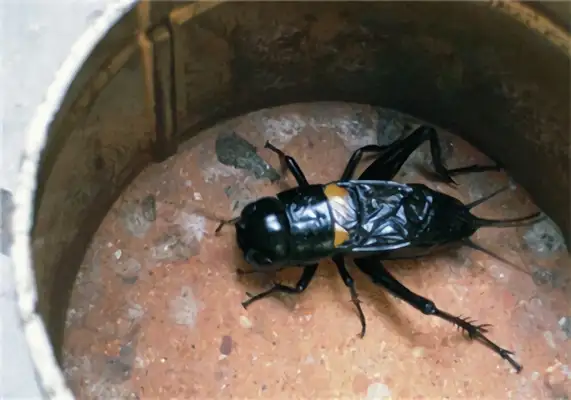
Crickets usually like dry environments, especially when they are adults, and in the wild they like to live in places that are not easy to see: under bricks, in caves, in grass. How, then, should families set up a living environment for cricket?
An indoor dry environment is very beneficial for cricket growth. In the case of home-based crickets, they are often wiped out of the clean environment so that they do not have to clean up the sanitary environment for long periods of time, at which time they become ill and lose their ability to fight.
Cricket fit for life:
Select a box with ceramic or wood, with a sand layer on the ground floor and a loose layer of soil, sand and earth on the surface.
Blocks of stones or bricks are placed in the box, and the box is placed in the aquarium, water is added to the dotted line to inundate part of the sand and maintain a constant level of water in order to maintain the soil moisture conditions and prevent dry dehydration of the eggs.
Controlling water temperature with a thermostat at around 25°C and humidity between 65% and 75%. To sustain the environment needed for cricket to grow.
Cricket is not used to caring for each other. Crickets also attack and kill each other in order to fight for territory and spouses, in order to keep cricket in peace and to grow up healthy. Cricket breeding density is not too high, and ensuring that cricket has sufficient activity and territorial space is the best way to raise it. Cricket feeding points.
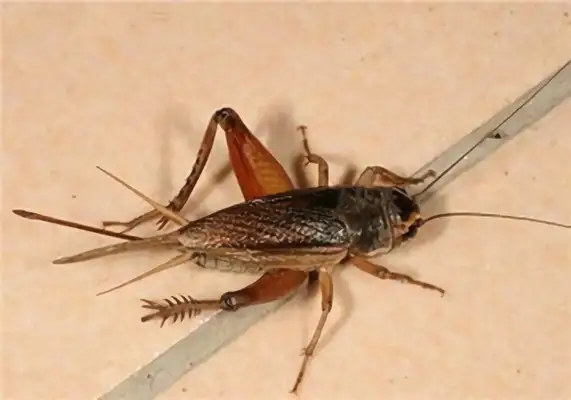
Cricket is an invertebrate, often found in the grass of summer, and at night it likes to chirp. It is a carnival animal, and its main preference is to eat plants, in particular buds, leaves and roots, and vegetables and fruits are their favorites.
Cricket in the wild is usually fed by buds, leaves and roots. In addition to a variety of fresh vegetables and fruits, the breeder chooses some food, which is matched in proportion to a good diet. Regular and quantitative daily feeding contributes to healthier and more courageous crickets.
The main formulations for cricket food are soybean powder, 20 per cent; coarse wheat flour, 35 per cent; maize powder, 20 per cent; defamined milk powder, 15 per cent; liver powder, 5 per cent; dry yeast, 5 per cent; or corn flour, 25 per cent; soybean powder, 20 per cent; barley flour, 25 per cent; skim milk, 15 per cent; dry yeast, 5 per cent; and fish powder, 10 per cent. The food is placed in the container and then refined and fully modulated.
When feeding every day, be careful not to throw too much, just to ensure that cricket can eat all the food that is left behind. In the feeding process, the breeder can make a reasonable mix of foods to meet the need for food nutrition for cricket growth.