Now rare things happen around us, and we all know that in big cities there's no wild animals running around the city. At the beginning of July, an "immediate visitor" came to a park in Hangzhou, white and white, and nobody knew what it was, and we looked down.
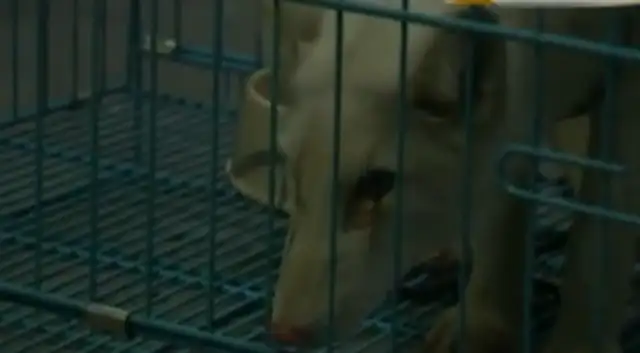
The first person in the community to find out about this “unwanted visitor” was Sister Chan. She walked in the district at night and saw it as a pet dog for the inhabitants of the district, and was not too concerned. The next morning, she saw it in the district. When Chen looked carefully, the little white guy was less like a dog and had a long hairy tail, she looked closely into his eyes and stopped. She found that the eyes were blue, more sure it was not a dog, and decided to take the little one home the next day and turn them over to the authorities.
When Chen took the little guy home, she found out that the little guy had more food than a normal puppy. She first sent her picture to the pet doctor, who told him that the little guy was a wild fox. Ms. Chen felt that it was inappropriate for wildlife to be handed over to the authorities, so she gave the little boy to a journalist, who handled it.
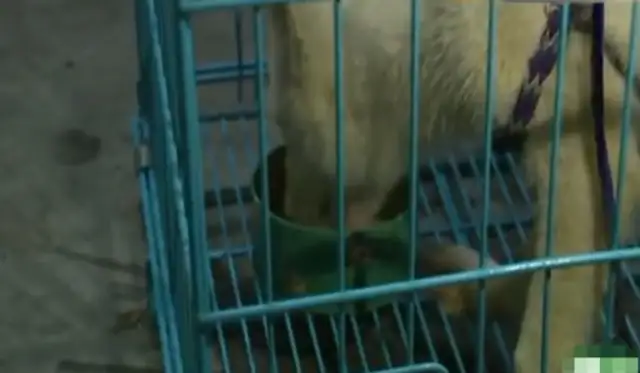
The reporter put the little guy in a box to take the little guy to the zoo.
The little guy was restless on the way and took a hole in the box and the driver had to stop. The reporter took the little guy out and the driver took the time to fix the box. This time, the little guy got to know everybody, and he was pretty good in the car, and he got to the zoo.
The young man was soon recognized by the teacher who helped the animals, who said it was a white fox, which in my country was a form of wildlife. He judged the white fox to be a family, because it was spread north-east, Russia and the Arctic.
The white fox is called the Arctic Fox. The white fox, brought by a journalist, is a year and a half old, and the white fox is not ploughable for the average family, because they have a strong scent and may contain unknown pathogens that may affect our normal lives.

In the end, the teacher took the little guy for a medical examination, and if there were no problems, he could see it later in the zoo.
If we see this non-petty wildlife in our normal lives, we must report it to the authorities in a timely manner. Otherwise, it is possible that the rare animal body itself may be carrying the disease, causing trouble to the inhabitants of a given region. Have you ever experienced this or any other rare animal around you?