Crawling through glass and sleep addiction are often signs of a lack of harmony in the health and living environment. They may hide environmental stress, disease or even pain behind seemingly simple behaviour. As pets, timely interpretation of these signals and scientific responses are key to ensuring long-term health.
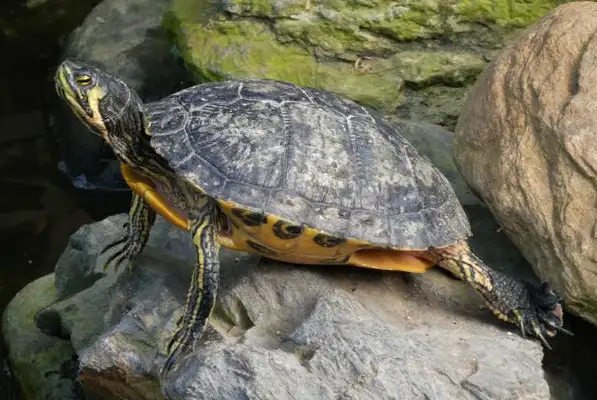
1. The meaning of behavioural signals and the possible cause of a glass collision (continuous collision of the glass wall/glass reflection area, crawling back and forth in front of the glass): environmental problems: glass reflectors create visual illusions that allow the reptile to see a prey or companion behind the glass and drive it into a collision; the surface of the glass is smooth and may be lost. Behavioural stress: Excessive rearing density, noise, frequent disturbance, unstable humidity, and a breakdown in lighting, both day and night, make it agitated, use impact to declare territory or seek exit. Health factors: Severe dehydration, pain, nervous system problems, abnormal activity caused by eye disease or metabolic disease (e.g., metabolic bone disease MBD) may cause it to “stimulate itself” by impact or attempt to mitigate discomfort. Sleep addiction (continuous silence, prolonged incubation, slow response to external irritation): Disease signals: respiratory infections, digestive tract problems, abnormal liver/renal function, dehydration, electrolytic disorders, metabolic diseases, parasitic infections, etc. can all manifest themselves as sleeping addiction. Environmental factors: High or low temperatures, abnormal humidity, insufficient light, and disordered day and night lead to lower levels of reptile energy and slower reactions. Recent trauma/suffering: injuries are often followed by reduced activity and reduced appetite. Vitamins/mineral deficiencies: deficiencies such as vitamin A, D3, calcium, etc., can easily trigger physical decline and behavioural anomalies.
The main points of judgement (quick self-check list) observe and document: length of day-to-day activity, amount of food and drinking water, defecation, weight change, breathing effort, nose and nose secretions, skin state, symmetry of limbs, limping or tremors. Environmental check: Temperature of the Basking area, temperature gradient of the creeping area, whether the UVB lamp is within its active life, stability of the lighting cycle, suitability for humidity, clean ventilation of the tank, availability of special stress sources due to reflection glass, etc. Security assessment: whether glass bumps were frequent, involved peer harassment or predatory behaviour, whether scratches, skin fractures or eye injuries.
A comprehensive response (a full six-step walk)1 The Immediate Action List (0-24 hours) places reptiles in a clear, protected and safe habitat with clear temperature gradients to ensure a safe haven. Provide clean, potable sources of water and, if necessary, inject light drop water with syringes (to prevent excessive dehydration) and avoid suffocation by force feeding. Temporary reduction of disturbance, reduction of artificial irritation and avoidance of heavy day and night switching and noise sources. Preliminary observations are recorded, such as the number of impacts, the degree of sleeping, dietary changes, and whether breathing is abnormal.
2) Systematic environmental optimization (1-2 weeks) temperature and humidity: establish a clear temperature gradient. Thermal areas usually fluctuate between 26 and 34°C, and cold areas are below that range; humidity is adjusted to species demand (most terrestrial reptiles require medium humidity and semi-aquatic habitats require higher humidity). Lights and UVB: The time and strength of the UVB light exposure are to meet the species ' needs and the lamps are to be replaced when they have exceeded their lifetime. To ensure the regularity of daytime lighting and avoid sudden and long periods of darkness. Glass and environmental alteration: Put crash-resistant stickers, dums or component-based optical materials on glass surfaces to reduce the illusions caused by mirror reflections; provide shelter and high- and low-fault climbing structures to reduce “glass map” inducements. Drinking water and diet: keep water sources clean and regularly replenish fresh water; diversify foods based on species-specific staples, with emphasis on calcium, D3-rich nutrition and vitamin supplements (following veterinary recommendations).
3) Health assessment and diagnosis (in parallel) appointment of reptile specialist veterinarians for medical examinations, blood tests, visual examinations (e.g. X-rays to screen MBDs, bone problems, intestinal signs, parasites, etc., if necessary). Depending on the symptoms, doctors may recommend routine excreta examinations, ear, nose and throat/respiratory assessment, and necessary medication. Recording and communication: The patterns of sleeping addiction, eating, weight change and glass crashing are organized into time lines and lead to the diagnosis of doctors.
4) Specific treatment and care responses (implemented on doctor ' s instructions) calcium and vitamin supplementation: If this is lacking, the calcium agent (common calcium D3 formulation) will need to be added under medical supervision while ensuring that the UVB is sufficient to assist calcium absorption. Respiratory and Infection Treatment: In case of signs of respiratory infections, antibiotics/diarrhea treatment is provided under veterinary prescription, with attention to ventilation and water management. Pain and Inflammation Management: Where pain exists, appropriate painkillers (only veterinary prescriptions) are required. Maintenance of hydrolytic and electrolytic balance: avoidance of one-time excess when water scarcity is severe, combined with static or sub-refilling.
5) Permanent day-to-day management (ongoing) of periodic medical examinations: at least once a year, with an increase in the frequency of tests depending on the state of health, if necessary. Dietary plans: Design long-cycle diets based on species needs to avoid monoculture; consideration of natural prey and training incentives in the tank to promote physical and mental health. Environmental stability: to maintain stability of light, humidity, noise and day and night rhythms and to avoid, as far as possible, abrupt changes in the renovated living environment. Behavioural observation and correction: In the case of glass crashes, the reliance on glass is gradually reduced through environmental guidance (e.g. barriers, reptile routes, cover points) and ongoing training.
6) When urgent medical treatment is required for more than one day and is accompanied by breathing difficulties, voice changes, continuous vomiting and inability to stand. Obvious rapid loss of body weight, defecation abnormalities, signs of severe dehydration, injury haemorrhage or nervous system abnormalities (e.g. convulsions, loss of control). The impact of the glass was followed by signs of injury to the neck, inability to stand or abnormal positions.
IV. Pre-planned habitat for the elements of prevention and daily conservation: understand the nature of your reptiles and ensure that temperatures, humidity, light, heat and hidden sites are in line with demand. Environmental stability is often better than one-time overhaul. The identification of early signals: reduced diet, sleep addiction, significant decline in activity, respiratory abnormalities, changes in skin state, etc., are often more reversible than later symptoms. Establishment of a record-keeping system: A simple diary or mobile phone is used to record weight, diet, defecation, activity, appearance change, which facilitates diagnosis and long-term comparisons by physicians. Selecting professional help: In the event of unusual behaviour for unknown reasons, consult the reptile veterinarian as soon as possible and avoid self-medicating or blindly adjusting lighting and temperature.