Newfoundland is a large, gentle and very smart dog. It originates in Newfoundland, Canada, and is a canine well suited to working and family life on water. The Newfoundland dogs are known not only for their strong physical qualities, but also for their excellent ability to rescue, intimate relationships with family members and loyalty.
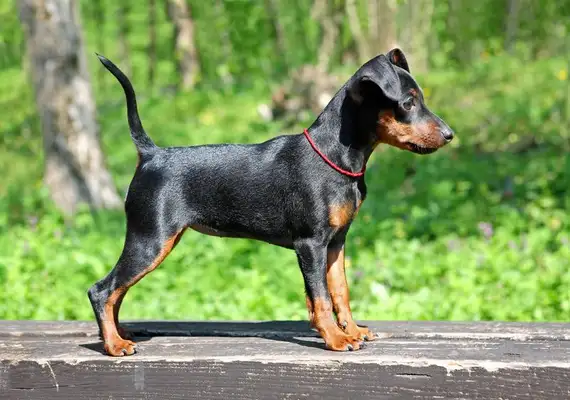 I. Overview of varieties
Newfoundland dogs were initially brought to Canada by European colonizers to assist fishermen with water rescue and towing boats. Its name comes from its birthplace, Newfoundland, Canada. The dog is known for its strong body and excellent swimming ability, and it is a type of dog adapted to life in water. Large-sized Newfoundland dogs typically weigh 60-70 kg in adulthood, are slightly heavier and are relatively long. Its hair is thick and waterproof, usually black, brown or white and black.
Newfoundland dogs, known as “water giants”, perform in unmatched water with strong swimming skills and are able to perform search and rescue in difficult circumstances. Even in large size, they are very agile and good at rescue in the water. II. Characteristic characteristics
Newfoundland is a gentle, friendly dog, often described as a “big baby”. They are known as good, obedient, intelligent and loyal. Despite its large size, Newfoundland dogs are very gentle and an excellent family pet. Friendship and loyalty: Newfoundland dogs are very caring to family members, especially for their children, who are extremely patient and gentle. Not only are they guardians of the family, they can also be gentle around the children. Smart and easy to train: they are highly intelligent and can quickly learn new instructions and techniques. Since Newfoundland dogs are born to love their masters, they usually quickly understand and follow instructions. Independence: Despite their loyalty and their love for interaction, Newfoundland dogs can also think independently and are not easily disturbed by changes in the environment. Adaptive: Newfoundland dogs are capable of adapting to a variety of living conditions. Apartments in cities and large villages find their place. The water is excellent: Newfoundland dogs are born to love water, and they not only swim and have a strong life-saving capacity. III. Livestock techniques
Newfoundland dogs are a type of dog with relatively high environmental and master needs. As caregivers, ensure that they are properly cared for and remain healthy and happy. Sufficient space: Although Newfoundland dogs are of a moderate character, they are large and require sufficient space to operate. Ideally, the family has a larger backyard where they can move freely. If you live in an apartment, you must also ensure sufficient outdoor exercise time per day. Regular motion: Newfoundland dogs need moderate exercise, especially in water. They love swimming. It's a gift. They should be taken for walks every day and ensured the opportunity for water activities such as swimming. Dietary management: Eating is particularly important because of the high diet of Newfoundland dogs. High-quality, balanced dog food should be provided, and care should be taken to regularly check their weight to avoid over-feeding leading to obesity. The weight of food can be adjusted according to the age and activity of the dog. Socialization training: Newfoundland dogs are usually friendly to strangers, but they still need appropriate socialization training. This would help them better adapt to different contexts and contexts and avoid over-alert or stressful feelings. Health screening: Newfoundland dogs are prone to a number of health problems, such as joint problems (e.g. hip stunting) and heart problems. They are regularly taken to veterinary clinics to check their health, maintain vaccinations and deworming. IV. Hair care
The hair of Newfoundland dogs is very thick and requires higher care and management to maintain healthy skin and hair. Because they are naturally living in cold water environments, their hairs are waterproof. But excessive hair may affect their comfort, so regular care is essential. Hairdressing: Newfoundland dogs have long and dense hairs, and at least once a week a thorough comb is performed to prevent knots and hair loss. Especially during the fur exchange season, they lose large amounts of hair, so they have to clean their hair regularly and keep their homes clean. Bathing: Despite the fact that Newfoundland dogs are hairproof, regular bathing and cleaning of hair is still necessary if they are to conduct regular water activities. Use of special pet shampoo not only cleans hair but also protects its natural grease layer. Ear cleanness: Newfoundland dogs tend to accumulate wet air and dirt with larger ears down. Periodic ear checks to avoid infection. Be careful to clean ears and avoid damage to ears. Cut your fingernails: Like other dogs, Newfoundland dogs need regular nails. Long periods of failure to cut fingernails can lead to discomfort or injury. Skin screening: Due to the thick hair, Newfoundland dogs are prone to sweating and bacterium breeding, so skin checks are conducted regularly to prevent skin disease or infection. Concluding remarks
Newfoundland dogs are not only an angel for rescue on water, but also a dog that is well suited as a family pet. They occupy a place in the family with moderation, loyalty, intelligence and strength. The raising of Newfoundland dogs requires patience and care to ensure that they enjoy proper exercise, healthy diet and careful care. Through reasonable breeding and care, Newfoundland dogs can be the most loyal and reliable partner in the family.