Tortoise decomposition is common in aquatic and semi-aqueous turtles, where crustacean surfaces are softened, skinned, accompanied by thin pockets of corruption, local red or stench. The core of family treatment is early detection, separation care, clean sterilization, local treatment and improved environment and nutrition. Here's a step-by-step plan to get you to work at home.
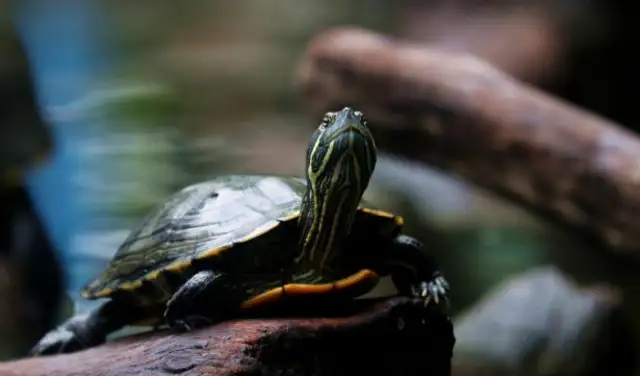
i. Content focus recognition: softened shell armor, darkened colours, surfaced defunct areas or small ulcer, accompanied by abdomen or reduced appetites, often associated with poor water quality, inadequate Basking, inadequate sunlight. Initial treatment: First separation of sick turtles, maintenance of quiet and high-quality environments, avoidance of cross-infection and further damage. (b) Local care: The use of hot water cleaning, mild disinfection and, when necessary, ointment, while avoiding self-use of high-intensity drugs. Environment and nutrition: improving water quality, providing adequate daylight/UVB, ensuring sufficient protein and calcium, regular monitoring of crustacean state. (b) Medical treatment: Veterinary treatment should be provided as soon as possible, and oral/whole medications should be handled by professionals, if necessary, if the conditions are spreading, fever, mental illness, continuous decline in appetites, apparent swelling or odour increase.
Recommended measures (operational elements) The environment and water quality are raised as independently as possible to separate sick and healthy turtles and avoid transmission. Water quality needs to be clean, with 40-70 per cent of water regularly replaced, ammonia maintained, nitrite low, pH appropriate and water temperature maintained at 24-28°C (depending on the type of temperature). The basking area needs to be stable, dry, solarly adequate (or using UVB lamps) to ensure that turtles are able to balance sunlight with dry time. Cleaning and disinfection use warm water and soft cleaning of diseaseal nails to remove loosed horns as much as possible, but not to force grabs in order to expand the ground. In the vicinity of light-swirling, it is recommended that 0.05% of the chlorhexadine diluted solution be washed once a day in the presence of a septic or corrupt tissue. Local ointments (e.g., antibacterial/antibacterial ointment after iodine volts, avoiding the direct oscillation of over-concentration drugs) are painted in accordance with veterinary guidance. Local drugs and frequencies can be wiped and cleaned daily using low concentrations of iodine volts or 0.05% chlorine. The original can be cleaned with local antibiotic/anti-flucative ointment recommended by the vet, usually once a day, lasting 1-2 weeks, and if no significant improvement is observed, refer to the hospital in a timely manner. Avoiding the self-sustaining use of strong ointment, hormone-like ointment and preventing further damage to the crustacean structure. Nutrition and health monitoring provides high-quality sources of protein (e.g., seafood, snails, shrimp, etc.), supplemented by calcium supplementation and vitamin D3. Keep the water sufficient to prevent turtles from dehydrating and softing their shells. Daily observation: crustacean colour, softness, whether the edge of the ground has been reduced, whether fresh meat sprouts appear, appetite and activity levels. If, after two weeks, there is still no significant improvement in referral and drug management, an expansion of the stove, fever, a marked decline in appetite and a mental breakdown, the veterinary clinic should be visited as soon as possible and may require video, bacterial culture or systematic medication. Any oral or injectable drug should be prescribed by the veterinary doctor, avoiding the use of self-mixed or duplicated drugs.
A complete response (step-by-step, easy to implement)1 Segregation and assessment of the placement of sick turtles in a clean container, disconnection from contact with other turtles, preliminary observation of crustaceans, puss, odours, and normal activity.
2) Environmental readiness and clean-up water tanks, with additional gasking areas to ensure sunlight/UVB exposure. Adjust water temperature, clean frequency to ensure good water quality.
3) Crust cleaning and disinfection of hot water leaching turtles for about 10-15 minutes to help soften the decay layer and then brush the decomposed area with soft brushes. Use 0.05% chlorine or dilution Iodine volts to wipe the creative face and avoid the crucibles. When dry, local veterinary-recommended ointment (e.g. antibacterial/antibacterial ointment) is painted around the surface.
4) Local treatments and observation of daily clean-up. The emergence of fresh meat bulges, faded colours and reduced depravity indicate improvement; if it continues to deteriorate, medical treatment is required.
5) Nutrition and daily care provide a balanced diet, supplement calcium and vitamin D3 and ensure adequate water intake. Maintain a stable light cycle to prevent re-soft crustaceans.
6) Long-term environmental optimization and prevention of regular clean-up of water tanks, replacement of water quality and maintenance of good water cycle. To avoid overcrowding, to ensure that the basking area is dry and warm, and to regularly examine the condition of the shell armor. Preventive inspection: monthly self-assessment of crustacean integrity and appearance.
Graphical text flow (simple “chart”) step A: Separation - sick turtle isolation → Single clean containers, 2-3 days observation. Step B: Environmental adjustments - Clean water tanks, improved water quality, installation of UVB lamps and basking areas. Step C: Clean Care - Temperature water immersesed for 10-15 minutes, soft brushed off, 0.05% chlorine wiped. Step D: Painting treatment - once a day, 1-2 weeks after drying. Step E: Nutrition and monitoring - high-protein + calcium, daily observation of appetite, activity, crust change. Step F: Reconfirmation decision - 2 weeks without significant improvement, contact the veterinary doctor to assess whether systematic treatment is required.
V. Attention and medical attention should be provided as soon as possible in the event of widespread decay, deep ulcer, persistent aerobics, a significant decline in the appetite and mental state of turtles. To avoid self-absorption of corrosive layers and deeper tissue damage. For any drug use, follow a description of the drug or veterinary guidance and avoid mixing or high doses.