Designation: PET5089
English
Origin: Overview of the most varied species from Europe to the Middle East
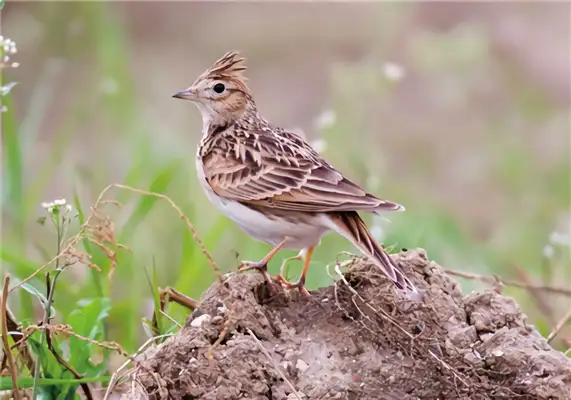
There are 37 sub-species in the Phoenix and they are slightly larger in sparrow. Because of their crowns, and because their crowns are long and narrow, their outer shape is unique. It is mainly in Europe to the Middle East.
Chinese literary name: Phoenix
Latin name: Galerida Cristata
Don't call it "Big Ale"
Context: Animals
Gate: Pipeline gate
Programme: Birds
FREEDOM: FREEDOMS
C: Encyclopedia
It's called the Phoenix.
Speculation: Pixels
Asian: 37
Named by Linnaeus, 1758
Name in English: Cresed Lark Quakers
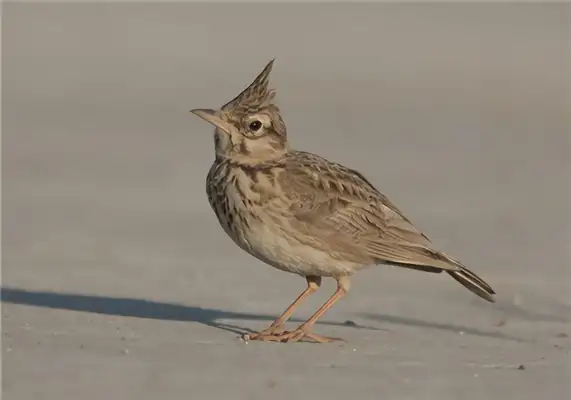
The size of the phoenix is 17-18 cm, the wings extend 29-34 cm and weigh 35-45 g. The slightly larger phoenix has brown stripes, and the difference with the lark is that they are big and crown-high.
The crown is full of magic, the crown is long and narrow. Upper tan with near-black stripes and yellow tails. Light yellow lower body, close to black stripes. As if it were short, with short tails, and a little long, and a little low. The wings were wide and the wings were rusty; the tails were dark and the sides brown. The young bird is well-equipped. Distinguished from the sparrow, large and plume, long and bendy, with fewer brown ears and no white rear wing. The living environment of the most powerful.
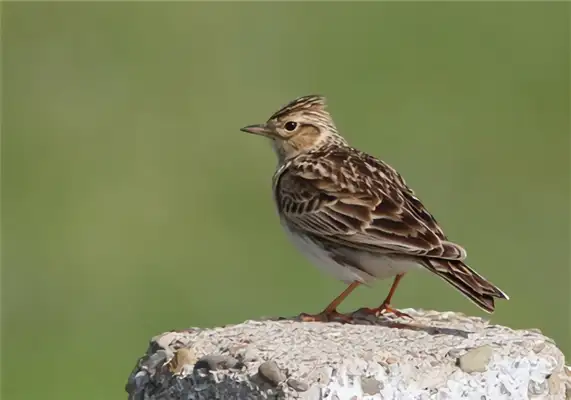
They are mainly located in Europe to the Middle East, Africa, Central Asia, Mongolia and China, where they keep birds and summer birds in north-west China. Red list of endangered species in 2013. 1 Classified as low-risk (LC) species.
The phoenix prefers to live in dry plains, open plains, coastal plains, wilderness, semi-deserts, desert margins, grasslands, low mountain plains, wastelands, riversides, sand beaches, grasslands, cemeteries, waste slopes, agricultural lands and abandoned cropland.
It lives in multiple groups during the non-reproduction period; it often travels on the ground or vibrates soft wavelengths. Singing on the ground, or when flying, or when the wings of the air are slowly falling vertically at the same time. When they fly high, they enter the clouds, and they travel on the ground, and when they are disturbed, they hide and are protected from detection. Clear d-ee and flute-ee or uuu at lift. It's a four-to-six-syllable, sweet short sentence. It's been a long time, and there's a lot of tremors. It's more slow, short and clear. I'll feed you the best.
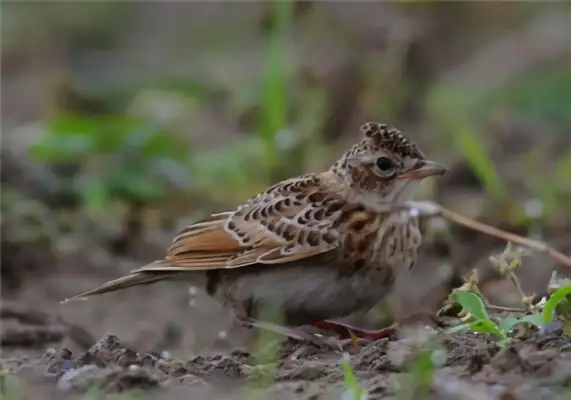
In the north-western region of China, the birds and the summer birds, which are more widely distributed and groceries, are abundant in food. If you've raised the best, you can refer to their food requirements in a wild environment.
Insects and seeds are hunted for on the ground at times when the poignant is alive. Vegetable foods are the main foods, as well as animal foods such as insects, which are groceries. The main foods are vegetable foods such as graft, sandgrass, salsa, salsa and walnuts, as well as small amounts of wheat, beans, etc. Insects, such as beetles, grasshoppers, locusts, etc. are also being hunted.