Designation: PET6156
English name: Dendroaspis pollypis Black Manba.
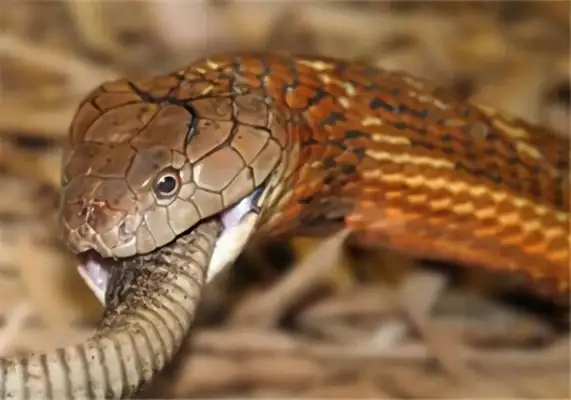
The Dendroaspis pollypis, which is larger in size and looks a little scary, is one of the world's fastest-moving snakes. In Africa, it is called the African Death.
The Black Manba snake can be up to 19.5 kilometres per hour, and it can stand up half the length of its body, but with the aim of climbing the tree rather than attacking human beings. For various reasons, it is often considered a very dangerous snake.
Chinese literary name: Blackmamba.
Chinese alias: Black tree cobra
English
Two words:
Area: Animal
Gate: Chordata
Platform: Reptilla
Aim: Squamata
Asia: Serpentes
Section: Elapidae
Demroaspis
Cast: D. Polylipis
Distribution: Blackmamba morphological characteristics of Africa
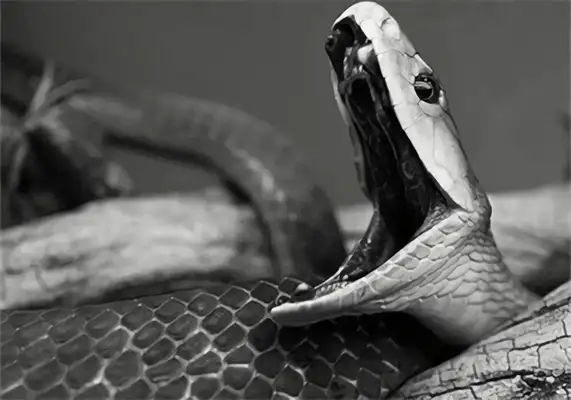
The Black Manba snake is a larger snake of approximately 2.5 metres in age, the longest of which is 4.45 metres in length and the ideal body weight of an adult is about 1.6 kg. The average lifetime of this snake is about 11 years.
The black mamba snake is rarely black. Their colour varies from grey, ink to green, brown, brown to tan, to khaki, etc., while the larvae is mainly bright gray or ink green.
The abdomen of the Black Mamba are white and some are yellow; in addition, some individuals have light stripes.
The most recognizable feature of the Black Manba snake is its black mouth, which is its best warning message when threatened; its eyes are mainly brown or black. Black Mamba living environment.
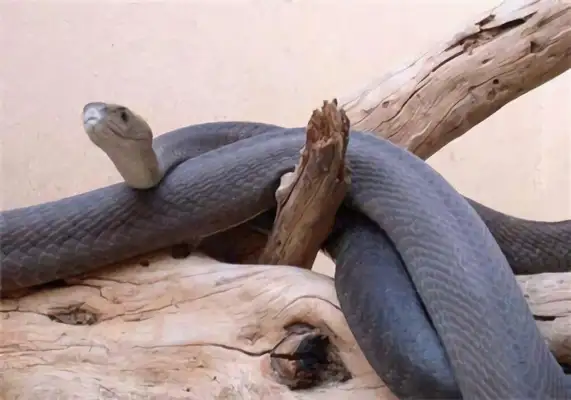
The greatest enemy of the Black Mamba is the rain, and it is one of the enemies of Black Mamba. Moreover, some members of the Viper Section hunt young Black Manba snakes. What kind of environment does the Black Mamba like to live in the wild?
The Black Manba snakes are widely spread, from tropical dry and wet weather areas, forested land, rocky land, and so on. Of these, bushes are their main habitat.
(a) 75 per cent of the population is engaged in agriculture in the main location of the Black Manba snake; at noon, the Black Manba snake usually climbs higher places (like treetops) to tan or wait for prey;
This is also the main cause of human attacks, as many orchard workers take crops from trees with their bare hands, which triggers snake attacks to protect themselves. The Black Manba snake breeds knowledge.
The Black Manba snake, like many snakes, is patient enough to wait for the prey to approach. They are then attacked at the right time, and if the prey struggles, the Black Manba snake will take it down by all means and they will take different measures depending on the size of the prey. When larger prey is encountered, the snake usually leaves it to flee after the attack has been completed, and with the scent the snake can recover the dead prey; however, when dealing with smaller prey, such as a bird or a mouse, the Hermanba snake bites until the prey stops moving and swallows it. Besides, they hunt bats.