Designation: PET3474
English name: Desert Tortoise
Origin: Based in south-west United States, north-west Mexico.
Vulnerability to disease: decomposition
Life: Overview of turtle species in desert rats aged 80 to 150 years
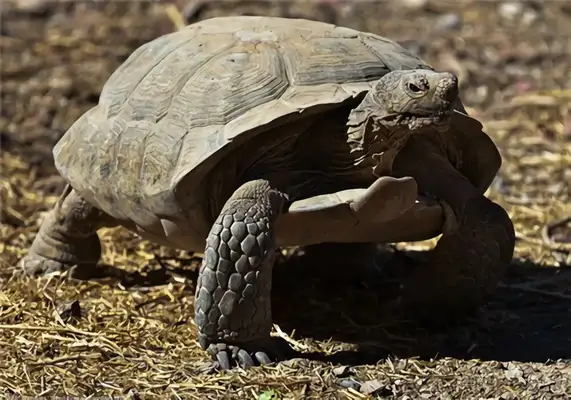
Desert turtles, also known as desert turtles, are a strong turtle living in remote parts of the United States, with larger individuals and higher food requirements, making it more difficult to raise them in other regions, with less glamorous appearances and less visible raisin.
Chinese literary name: Desert Mouse Turtle
Chinese alias: Desert walrus, Desert turtle
Two words: Gopherus aggassizi
English name: Desert Tortoise
Context: Animals
Gate: Pipeline gate
Programme: climb
Tortoises.
Section: Marine turtles
Ako: Ako Rotor
Yes: It's a Tortoise.
Crop: Desert rat turtle
Distribution: In the south-west of the United States and north-west of Mexico.
Living in a dry environment with cactus and thorny plants. A hole of 10 metres can be dug to become its hideout.
Eating: Herbivation, eating on local plants green grass, flowers, cactus and beans. Non-native plants, rarely eaten.
Reproduction methods: The most active season for the fertilizers in the desert is the early autumn, with approximately 4-8 eggs laid in May-July, with an incubation period of between 90 and 120 days, temperatures of 26°C ~30.5°C for males and 31°C ~32°C for females.
Practising: Their habitat is 60°C high ground temperature in the summer, so they can dig holes to find moisture or make a cool space from caves, where they spend 95% of their lives in caves, and where winter November to March temperatures are even below 0°C, where they also use hibernation to stay low. Characteristics of a desert mouse turtle
Desert turtles are large, slow land turtles with a length of 23 cm ~ 38 cm and a maximum of 37 cm A. There is only one arm shield, with the largest width of any vertebrae. Land-based, back-to-back, short and thick legs, front-legged, flat, easy to excavate, and all the toes are empty. Reared ellipses, brown, like horny, slightly yellow in the middle of the shield. The knowledge of desert turtle care
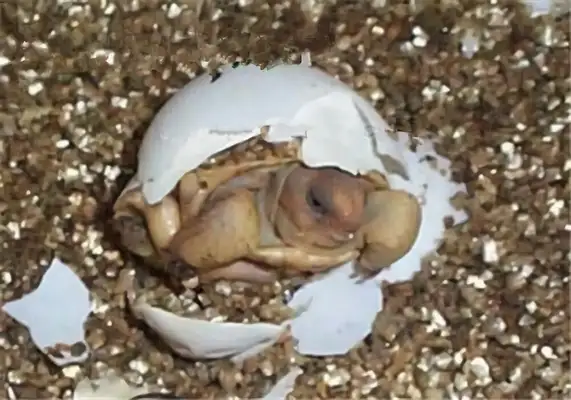
There are few people raising desert turtles, for which there is no particularly rich information, and many people raise desert turtles on the basis of the accumulated experience of raising other turtles, which is generally a step to be taken in terms of deworming and isolation.
In the case of land turtles from the wild, food should be fed or forced to be fed for one broad spectrum parasite. The artificially raised desert turtles are allowed to refrain from feeding the medicine and to feed the broad spectrum parasites once before late autumn or early winter. Thereafter, after feeding the drug, the insect is released with excrement, usually two to three days later. Despite the fact that the desert turtles are wearing hard crust, they are in a position of fearless collision and resistance to pressure. But when the turtles of different sizes are raised together, there is a danger that the small will be squeezed, starved and dominated. Typically, the limit is 5 cm long, i.e. turtles with a difference of 5 cm long should be raised separately.
Most desert rats prefer to live in higher temperatures. Appropriate temperatures of 25 ~ 35 °C. When the turtles are in a cold environment for long periods of time, they are prone to respiratory, gastrointestinal and other symptoms that cause death. In the case of desert turtles, hot water baths for newly introduced desert turtles are important. Hot baths not only encourage turtles to excrete, but also enhance appetite. Also, unhealthy desert turtles can add nutrients to water. The health status of the turtle can also be judged by the excrement of the turtles and the amount of water they drink. Desert rat tortoise living environment
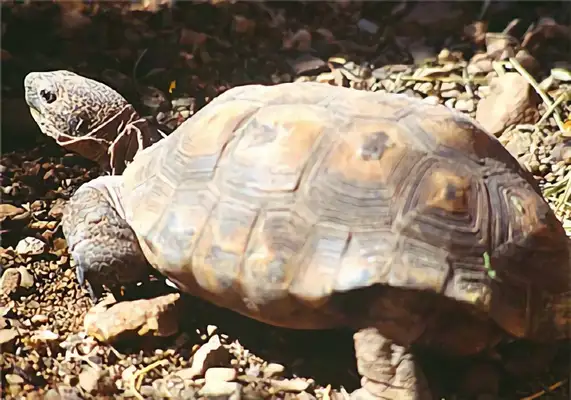
Desert turtles live in dry desert areas, unlike deep deserts, where they live on the edges of the desert, where they are rich in food resources and not so bad in the environment, which is an ideal place to survive and escape from predators, but where the breeding of desert turtles is more difficult, the number of such turtles has been small.
Desert turtles live in dry environments with cactus and thorny plants. A hole of 10 metres can be dug to become its hideout. Herbivation, based on local plants, grass, flowers, cactus and beans. Non-native plants, rarely eaten.
Desert turtles live in two deserts in Ganyon, Asia and Arizona. For dry savannas, desert rock areas, with an altitude of about 3,000 to 4,000 metres above sea level, desert rats tend to operate at steep, tilted rock slopes, where a variety of cactus-poly plants, of more than 300 species, are the most important food for desert mouse turtles. This special environment is important for desert mouse turtle survival. The most important threat to the wild of about six-year-old desert turtles is the local cougar, so the dense cactus sets create a safe haven for desert mouse turtles. What do you want?
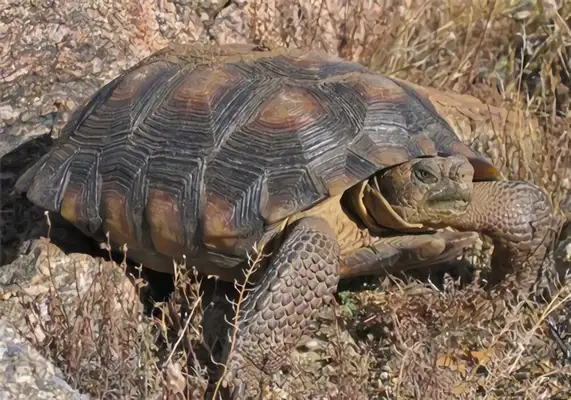
Desert turtles are very picky about food, and in many cases desert turtles prefer to eat plants of origin, which causes some difficulty in breeding, and traditional plants must not meet the strong dietary requirements of such turtles, so they can try to grow their own plants.
Desert turtles can choose tropical velvet. Boring is a plant that can be fenced and shaded, and flowers and leaves are a very nutritious source of food. You can buy a big pot, or you can go to a friend and chop it up. They can't afford cold or dry weather. Then we'll plant it in a flower pot or plant it directly on the ground. Starting with a small fraction of roughly 12 inches long with a rough pencil, only one or two leaves remain on top. The fraction is then placed in a 4-inch deep-water tank with a dose of VB-1 in the water. After keeping the sapling in water for the night, the sapling is covered with argonate. Put a hole in the ground and insert the sap in six inches.
With a gallon of sandy soil, or directly planted in the yard. The previous days were mixed with VB-1 water. The plant is bright, but it is better to filter the sun, for example, in shades or bushes. Cutting the seedlings in winter and spring is the best. When they grow to 18 inches, they should be moved to the hospital. They need to be given enough space to ensure that they can reach six to eight feet or even longer. You can shorten them. Then you can enjoy the flowers every day and feed them to turtles.