Guide to the processing of certificates for the health of dogs: safeguarding the health of pets and families
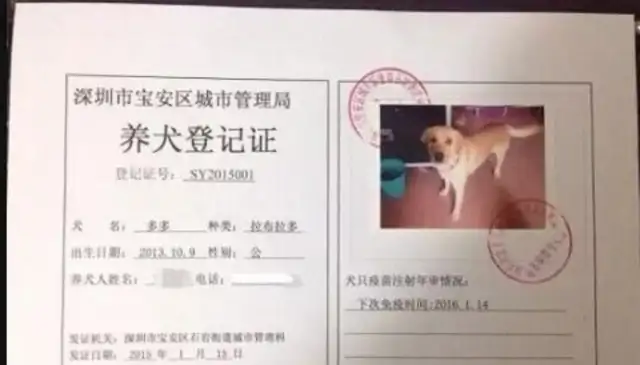
Patients, especially dogs, are both a responsibility and a pleasure. Behind the joy of pets, health security is also crucial. Health certificates are not only provided for by law, but are also an important measure of caring for pets and safeguarding public health. This paper will provide you with a detailed analysis of the priorities, recommended measures, and a comprehensive response to help you cope with the process so that the pets can grow up in good health. First, the main legal and regulatory aspects of health documentation are found in many regions, and part of animal disease control is the production of health certificates for pets. It is not only an “identity certificate” for the movement and access of pets, but also a prerequisite for public health security. Failure to obtain or forge a health certificate may expose them to administrative penalties and may lead to health risks. The basic elements of the health certificate usually include basic information about the pet: the type of dog, age, sex, weight, hair, etc. Immunization information: rabies vaccination records, other routine vaccines. Screening: medical examination (infection of infectious diseases, parasites, etc.) and compliance with health standards. Veterinary signature and seal: provided by qualified pet hospital or veterinarian. Process medical check-ups: take pets to a legal veterinary institution for a full examination. Vaccination: if the necessary vaccinations are not completed, they must be done under the guidance of a professional veterinary. Complete application: Provide information about pets and complete health registration forms. Examination and examination: upon completion of the veterinary assessment, a health certificate is issued. Receipt: Depending on the region, it may be received or mailed on site. Recommended measures: Scientific conservation, regulation of advance preparation, improvement of vaccinations to ensure that basic vaccinations such as rabies are completed by your dog, as required, as a prerequisite for obtaining health certificates. Vaccines should preferably be vaccinated at regular veterinary institutions, with vaccination certificates kept for screening purposes. The choice of a reliable veterinary institution selects a reputable and qualified animal clinic. Professional veterinary doctors not only provide scientific consultations, but also facilitate access to legal health certificates on time. Periodic medical examinations are carried out to maintain the state of health, in addition to the need for certification, and regular medical examinations allow for the timely detection of potential health problems. Regular deworming and disease prevention, keeping the pet in an ideal state. The management of pets is regulated to reduce the use of towed ropes, bathing, keeping clean and effectively reducing parasites and bacteria. Compliance with public regulations to reduce the risk of unwanted infection. Awareness of local policies and requirements for advance preparation of documentation vary from region to region. The relevant departmental network of officials or consulting pet management can be consulted in advance to identify the information, process and timing required. III. Complete response: one step at a time
First step: Information is prepared to pre-empt all information on pets: immunization records, growth files, vaccination certificates. Prepare a pet detail to facilitate completion of the application form.
Step 2: Appointments to Veterinary Clinics where the medical examination and vaccine choice are good, and appointments. Ensure that vaccines, especially rabies, are vaccinated in a timely manner and that some parts of the population require them to have a health certificate within a certain period of time.
Step three: Conduct a thorough examination of the overall condition of the pets by veterinary doctors, detect the presence of parasites, skin diseases, infections, etc., and deal with them in a timely manner.
Step four: Submit an application, complete the application form with a health certificate in accordance with local requirements, and submit all necessary information. A health certificate is issued after the veterinary examination. Some support online appointments or pre-trials are available in advance.
Step 5: The day-to-day management and continuous maintenance of health certificates is only the beginning, maintaining good health habits for pets, continuing regular screening and vaccination, and ensuring follow-up.
Step six: In case of sudden illness or abnormality of the pet in case of emergency, timely medical treatment, suspension of all relevant procedures, pending rehabilitation. Be patient and be good at consulting professionals. Concluding remarks
Patient health and public safety are underpinned by the seemingly cumbersome documentation of dog health. Preparing ahead, choosing formal channels, and keeping a constant eye on the health of pets makes this responsibility a habit, and makes you and it more comfortable and happy every day. After all, a healthy pet is the warmest companion of the family.