Designation: PET6136
Vulnerability: ballworms
Life: 5-6 years for a brief introduction to the hare breed
The hare-precipitation is an economic rabbit species for both skin and skin, which are more widely raised in rural areas of the country, and are artificially grown, with a high rate of utilization, rapid growth and simple rearing in production. The hare is a medium-sized meat-skin-and-breed variety produced by tasting rabbits (also known as tiger-skin rabbits) as mothers and Belgian rabbits as fathers. Predefined hare morphological characteristics
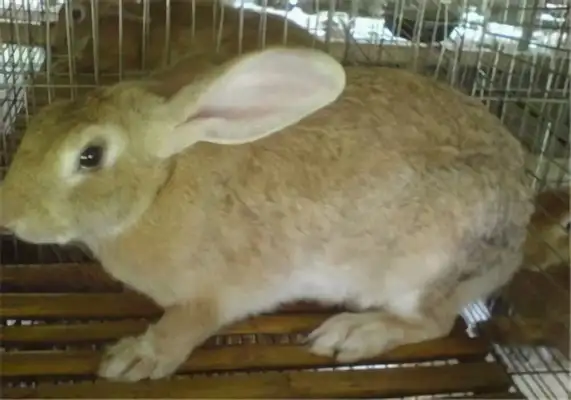
The hairs of the prepared yellow rabbits are yellow, straight-eared, medium head size, wide body size, medium-sized rabbit species, usually raised as flesh and rabbits, so meat production and fur are of excellent quality.
i. Precipitating yellow rabbit appearance
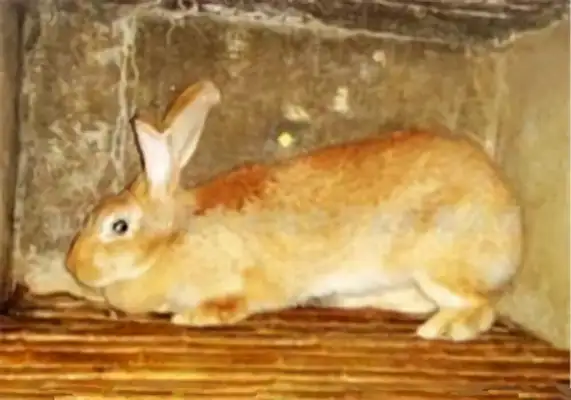
The yellow rabbit is a medium-sized species of meat skins produced by Taisan rabbits as mothers and Belgian rabbits as fathers. The appearance is unique and the genetic properties are stable. The rabbit was covered in hairy yellow, white in the abdomen, elliptical in his head, with open ears and eyes, full of flesh, visible flesh under the neck of the adult rabbit, strong limbs, and strong and flexible in his back.
ii. Precipitating hare characteristics
The speed of early growth, high utilization of feed, unique appearances, stable genetic performance, high adaptability and much better resistance to disease than other rabbit species. It's adaptable and resistant. Adapted to high standards of breeding and to poor conditions and low nutritional standards, adapted to the southern tropics and to the northern cold zone. The resistance is much better than other rabbit species. Knowledge of yellow rabbit care
Henan Province's Agricultural Institute, which has been using tiger-skin rabbits as its mother's and Belgian rabbits as its mother since 94, combines popular and professional breeding, which lasted four years and was purified in 1998. The species of rabbits, which produce an average of more than three dens per year and an average of 8.8 per cent; suitable for precision management, resistant to coarse feed, with a total price of 2.9:1 for meat; highly resistant and growing at a high rate of up to 4 kg of weaning for 40 days, and with a maximum of 20 kg or more for adult rabbits, is one of the species with a very high rate of return from the current good species of rabbits. Longing for a yellow rabbit.
Longer rabbits are less environmentally demanding, have a larger range of adaptations and have greater resilience, so often they do not suffer from disease, as long as the environment is reasonable, and are an easier breed to breed.
I. Temperature control of yellow rabbits
Excessive temperatures affect rabbits ' growth and development, productive capacity and feed remuneration. The appropriate temperature is typically 30 ~ 32 °C for newborn rabbits, 20 ~ 30 °C for rabbits aged 1 ~ 4 weeks, 15 ~ 25 °C for growing rabbits and 15 ~ 20 °C for adult rabbits. Therefore, the construction of rabbit houses should be based on local climatic characteristics, with the option of open, semi-open or indoor cages, with regard to the temperature insulation of the rabbit houses and the planting of grass trees around them. In the summer, cooling measures such as the installation of cooling ventilation equipment or ground-spraying wells should be implemented.
II. Hazardous gas control of the Precipitated Yellow Rabbit
Untimely clean-up of rabbit urine and contaminated mats in rabbit houses can produce large amounts of harmful gases such as ammonia, hydrogen sulfide and carbon dioxide through fermentation and can cause respiratory and eye pathologies. The permitted concentrations of harmful gases in rabbit houses were < 30 mg/m3, < 10 mg/m3 for hydrogen sulfide and < 500 mg/m3 for carbon dioxide. Key measures to regulate and control harmful gas in the house could be taken to reduce the density of the house, increase the number of excreta, reduce the leakage of drinking water and enhance natural ventilation.
III. Control of the wetness of the prepared hare
Relative humidity of 60%-65% is appropriate and should generally not be below 55% or above 70%. Wetting over can cause larvae, spherical disease, rash, etc., can cause mucous membranes in the respiratory tract to dry and lead to bacterial and viral infections. Breathing.
The four-season management of rabbits varies greatly, with spring and autumn festivals a good time for reproduction, while summer and winter are seasons of rabbits born, either hot or cold, so this is a test for breeding. How do you prepare a yellow rabbit? Here's your advice.
I. Spring management of the Precipitous Yellow Rabbit
In the spring, it is first necessary to clean up the cages. In the case of male rabbits and female rabbits, an appropriate increase in sperm feeding is required, and when feeding green feed begins, it is necessary to reduce the number and gradually increase the feeding to avoid over-feeding leading to digestive tract diseases. The feeding ratio of dry coarse feed needs to be increased appropriately in rainy days. After the rain, the feed is dryed before being fed, and care is taken to make a reasonable mix of fungicides in the feed. The spring season is the golden season in which rabbits reproduce, at which time there is a high rate of fertilisation, with a high number of births and a high rate of growth and survival.
II. Summer management of yellow rabbits
Summers are hot, wet, diseased. This period is to provide comprehensive and nutritionally adequate feed and clean drinking water, with early feeding for breakfast, late feeding for dinner, more green and green feeding for Chinese meals, a rational feed for fodder and a firm end to bad and bad feed. To supplement the excessive salt consumption in rabbits, 1.2% salt is added to drinking water. The hare house should be kept cool and ventilated to avoid direct exposure of sunlight to rabbit cages.
III. ADMINISTRATION OF THE Autumn BIRTHS
The drying of the autumn climate and the abundant nutrients of fodder offer a good opportunity to breed an expanded population, which is usually carried out late in mid-August. In the early autumn and late afternoon, the temperature differentials between the adult rabbits are changing hair and are prone to diseases such as flu, pneumonia and enteritis, as well as endemic seasons such as spherical disease, larvae, enteritis and diarrhoea. It is therefore necessary to strengthen the management of stockbreeding, to conduct inspections and inspections, to obtain timely vaccinations and to ensure effective hygiene and vaccination.
IV. Management of the Winter of the Precipitated Yellow Rabbit
Low winter temperatures, short daylight periods, lack of green feed, high energy consumption of rabbits, enhanced feed management, provision of adequate feed at full cost, one third more daily food supply than in other seasons, and more energy-intensive feed, as well as some micronutrient feed, some vegetable leaves, carrots and so on. In order to maintain a relatively stable temperature in the rabbit house, the indoor rabbits must close their doors and windows in order to prevent the break-in; the outdoor rabbits must have a straw curtain on the cage door to prevent the cold wind intrusion.