Patient snakes: hazard and health analysis and complete response
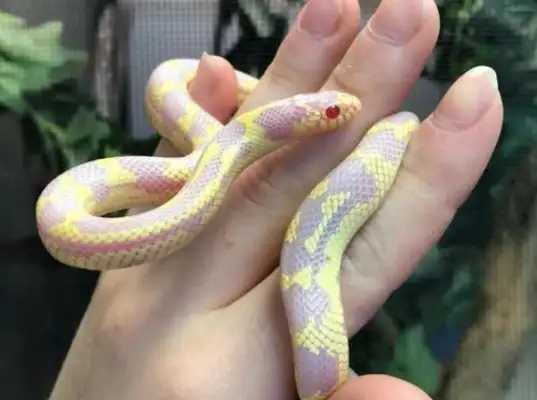
In recent years, with the development of diversity of pets, more and more people have begun to try to raise pet snakes. They attract a lot of lovers with their elegance and low-key lifestyle. Before many think about raising snakes, there are doubts in their minds: is it harmful to the health of pet snakes? Are there potential risks? This paper will focus on these issues and explore in depth the risks of pet snakes, health problems and a set of scientific and complete responses to help snake lovers experience safe, healthy and pleasant rearing.
I. Potential risks to infectious diseases from pet snakes
Although pet snakes appear to be elegant and quiet, if health is poorly managed, they can become vectors for the transmission of certain diseases. For example, Salmonella, a bacteria common in snake watches and digestive systems, without proper cleaning of hands or maintenance of environmental health, is highly likely to cause infection within the family, especially to the elderly, children and pregnant women with low immunity. Snake bite.
Although pet snakes are mostly mild, they can occasionally be bitten by shock or discomfort. Snake bites, though not necessarily fatal, cause skin wounds, risk infection and may cause shock or anxiety. Allergies and psychological effects
Some pets may be allergic to snake skins, slime or smell. Long-term exposure may cause skin allergies or respiratory disorders, especially in poorly ventilated environments. Some may cause fear or anxiety towards snakes and psychological stress. Environmental security risks
Poorly designed breeding environments, such as inadequate temperature control, adequate shelter space or lack of escape prevention measures, can lead to snake flight and create safety risks for families.
Recommendations for the health management of pet snakes
In order to minimize the above-mentioned potential hazards and to ensure the health of the pets and owners, the following measures are recommended: strict hygiene practices are used to wash hands: every time a snake or its environment is touched, it must wash hands thoroughly with soap and water. Avoid feeding, cleaning or playing without washing hands. Cleaning of the environment: periodic clean-up of snakes, exchange of water for soil, disinfection of fences and appliances. Keep the environment dry and ventilated to reduce bacterial growth. Scientificly appropriate temperature and humidity of the breeding environment: The health of the snake is ensured by adjusting the ambient temperature (usually between 22-30°C) and humidity (40-60%). Reasonable breeding space: Provide large enough rearing boxes, with safe houses and thermocontrol equipment to avoid snake escape. Disease prevention and medical examinations regularly take pet snakes to specialized veterinary services for health examinations to detect parasitic and bacterial infections. In the event of an abnormal act, abated appetite or skin abnormality, medical attention should be provided in a timely manner. The correct feeding methods use live or frozen foods appropriate to the size of snakes, avoiding the use of adult pets to feed food indiscriminately or out of time. Clean up the remaining foods and excreta in time for feeding and preventing bacteria from breeding. Safety education and emergency measures learn about snake habits and behaviours and avoid offending or scaring pets. Emergency treatment measures should be prepared and, if bitten, the wounds should be washed with water and treated in a timely manner. Provide protection for snake escapes, such as tight tatter covers and secure doors and windows.
III. Overall response
In order to realize the fearless experience of pet snakes, a scientific and detailed response strategy can be developed:
1. Environmental management should select suitable rearing boxes, which should allow for clean disinfection. A thermostat and humidity controller to ensure environmental stability. Use of non-toxic, air-transmitting rearing materials to reduce osmosis and bacterial growth. Security locks on rearing boxes to prevent snake escape.
2. Health and health surveillance checks the state of snakes on a daily basis to see if there are eating habits, behaviour and excretion anomalies. At least once a month, complete cleaning and disinfection equipment. Set up specific tools and gloves to avoid cross-infection.
3. Education and training carefully learn about snake care and obtain information from reliable books, professional websites or snake-keeping associations. Face the snake's behavior, stay calm and don't scare it. Family members, especially children, are taught the right way of contact and response.
Emergency response is prepared with first aid kits containing antibacterial ointment and disinfectant supplies. Information on recent contacts between medical institutions and animal hospitals. Remember emergency procedures: wound cleaning, bleeding, dressing, medical treatment.
5. Social and community support to join groups or associations of snake lovers, share experiences and obtain professional advice. Participation in relevant training courses to enhance snake-rearing skills and safety awareness.
Summary
The pet snake is a charming activity, but it also carries some health risks. With scientific management, hygiene attention, selection of suitable varieties and well-established emergency response mechanisms, snakes can not only be a pleasure for families, but can also effectively reduce potential hazards. Above all, learning with an open mind, respecting the nature of the pet, makes the snake-rearing trip a pleasant, safe and full experience.
It is the true way to care for a snake like a friend, caring and feeling the charm of life.