Designation: PET4663
English name: ChampagneD
Origin: They come from a French province called Champagne.
Vulnerability: ballworms
Life: Introduction to champagne rabbit species 6-7 years

Champagne rabbits are rabbits of meat, which are relatively large sizes and of high weight. They are less common in the country, given their origin in French champagne and are therefore named champagne rabbits. The colour of champagne rabbits has changed, mainly because it is getting lighter.
Chinese: Champagne rabbit
School name: ChampagneD'Argent
Context: Animals
Gate: Pipeline gate
Amen: vertebrate Amen.
Programme: Lactation Programme
FIND: RABBITS
Section: Rabbit Section
Yes: Rabbit
kind: champagne rabbits
Origin: They originated in a French province called champagne.
Appearance characteristics: The original colour was black, but later it became silver gray. The ears are erected in proportion to the body and the part of the nose has black hair.
Food: Herbs.
Forms of reproduction: birth. Champagne rabbit form.
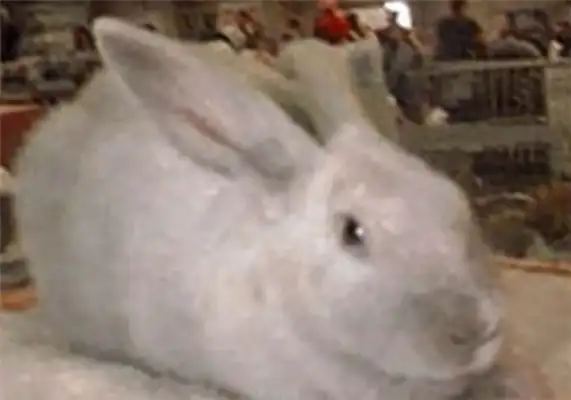
Champagne rabbits are gray, straight-eared, untidy, unblank, black with large heads, short hairs, visible triar mouths, short back limbs and tails due to the presence of black in their bodies.
Champagne rabbits are put up in proportion to their bodies, with black hair on the nose. The original color was black and later turned silver gray. The standard body weight of 9-12 kg is one of the large rabbits, with black eyes, large heads, thick hair and light.
Champagne Rabbit is fast and straight, and balanced. The need for patience and proper rearing of champagne rabbits gives them the opportunity to present their beautiful, straight positions. Because they're active rabbits, they don't need too much push to show their charm. We need to guide these lovely animals to show their greatest advantage. Champagne rabbits are displays around the world. Compared to other rabbits, it has a better variety standard. Champagne rabbit nursing knowledge
The colours of champagne rabbit urine vary widely, including transparent colourless, yellow, orange or red, coffee colour and white. This is related to temperature, food, quantity of drinking water, etc., and thorium and carrots can easily cause chromosomal urine (normal), which, without other abnormal symptoms, is a temporary change without stress. In the case of apparently blooded or red for several days, it is necessary to take fresh urine to the hospital for an examination. In addition, if minerals are over-ingestioned, under-drinked, like to hold urine, have urinary wounds, food is incorrect, etc., they may form urine road stones. Champagne rabbit living environment
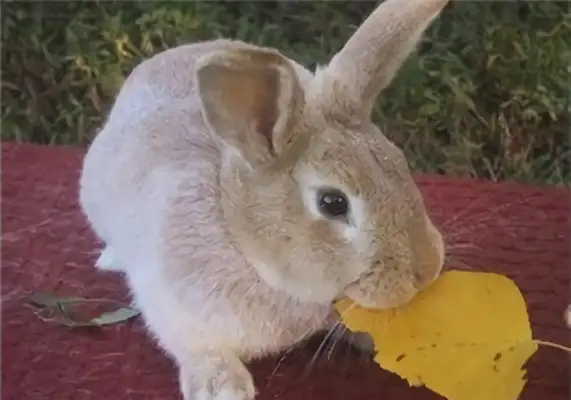
Champagne rabbits are first prepared for a good rabbit cage. Of course, if it is scattered outside, care is taken not to let the champagne rabbit escape. The champagne rabbits are less demanding than the rabbit cage, but the master chooses a suitable foot pad to avoid foot inflammation.
Patronic rabbits are prone to diseases such as flu (Basdella), ballworm disease (fast), hairball disease, scabies, skin inflammation on the soles of their feet, etc. The owner of the rabbit should maintain a healthy ventilation to prevent disease. On average, a cage of about 50 to 60 centimetres per side can feed one to two champagne rabbits. They are available for sale in squirrel cages, large bird cages and cat cages. When making their own cages, it should be determined that the wood is strong enough to avoid bites. The bottom of the cage is excreted with wooden sticks to prevent excessive dampness in the cage. It is best to use barbed wire in front and on the side, so that the cage is courageous.
If champagne rabbits are raised outside the house and the ground is used directly as the ground for the huts, they may dig holes to escape, and special attention should be paid. Other rabbits are unsatisfied with heat and damp, if they are raised outdoors, care should be taken not to place cages in closed rooms or to tan the sun. Champagne rabbit.
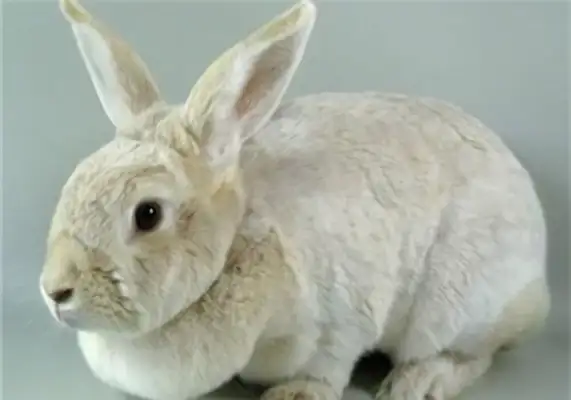
Many people think that rabbits should eat carrots, but it's a long-standing idea. Indeed, champagne rabbits that eat vegetables for a long time can smell easily, and they can die of disease. So, what exactly is champagne supposed to eat? In fact, the simplest feeding methods are rabbit food, pasture and water.
The benefits of eating rabbit food are many, the first being that it does not stink and that it contains a variety of nutrients required for champagne rabbits, including calcium proteins, and so on. At the same time, it can grind teeth that grow throughout their lifetime so that they do not grow too long. The rabbit food can be produced on its own in more specialized farms, and it costs $20 to buy a dozen pounds for six months. The water is for champagne rabbits, and it is for unlimited supplies, especially for rabbits who eat food, and they drink plenty of it (around 200 ml a day for adult rabbits).
Secondly, champagne rabbits eat waterless pastures, which help the champagne rabbits with gastric creeping, maintain normal fungus activity within their stomachs to ensure the proper functioning of the champagne rabbit digestive system, in addition to the coarse fibres and nutrients required for champagne rabbits. The last snack of champagne rabbits arrives in the form of carrots and vegetables that are generally thought to be the staple food, but are also limited in quantity and not available more every day. One or two slices of vegetables, a small piece of carrot is enough vitamins for champagne rabbits.