1. Challenges to warming
The understanding that the purpose of warming is to eliminate bacteria by raising temperature is totally incorrect. Because the vast majority of pathogenic bacteria are high-temperature-resistant, their most growthable temperature is generally around 37°C, and the maximum temperature of fish tanks is generally not above 35°C, which is the best breeding temperature for bacteria and does not cause any harm to the fungi. Warming not only does not produce any microbicides, but also contributes to the increase in the temperature, which increases the abundance and toxicity of the fungi, and the deterioration of the water quality, which is understood by people with a little common sense of life. So is there any scientific reason for the warming? Does it make it worse for the fish in the patient? We should think about this.

2. The principles of warming
In order to understand the true purpose of warming, it is necessary to understand the immune system of fish. Fish are thermogenics, and this physiological characteristic determines that fish do not have the capacity to maintain constant body temperature, which is the same for most fish as the surrounding environment. The immune system and temperature of fish are inextricably linked and the immune effect is reduced at low temperatures, making it easier to cause fish mortality. When an infestation occurs, the fish itself displays a form of “heating”, indicating that they want water temperature to rise.
The real purpose of warming is to stimulate the immune system of fish, to increase their metabolism against the invasion of pathogenic toxins, rather than to kill them directly by the three or five degrees of warming. There are, of course, special cases, such as white-mind bugs, which are killed directly by heating. In the treatment of diseases, the principle of the light-handedness of both evils should be observed. Although increased temperatures may cause bacterial breeding to damage water quality, higher temperatures can enhance the immune defence of fish and enhance the body of fish against disease, which is essential for the sick fish.
3. The right approach to warming
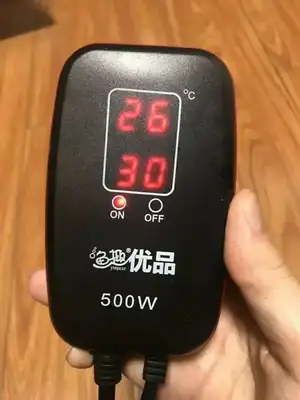
The reasonable temperature range should be 3 - 6 °C higher than the original tank water, which is approximately 30 - 34 °C depending on the species. It is appropriate to warm up by 2-3°C a day, which can cause the fish discomfort. Heating must be accompanied by oxygen injection and adequate supplies of oxygen. Because the respiratory effects of the fish will increase as the temperature rises, the growth of the bacteria will accelerate and the oxygen demand will increase. Temperature should be combined with salt use to reduce the burden on fish penetration systems.