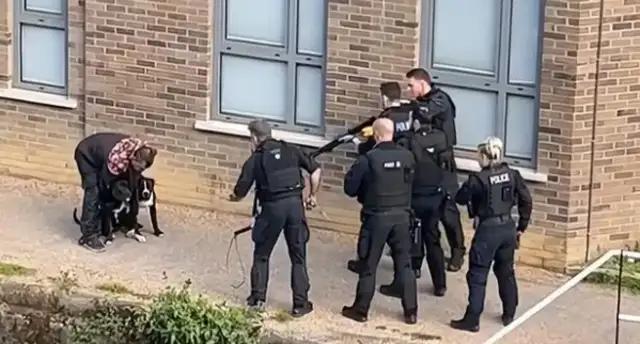
On the outside, it was reported that in recent days British police officers, while investigating reports of dog attacks, had shot two dogs in the spot with their owners holding tight ties and collars in control of two dogs, and electric shocks and arrests of feeders, while London residents who had witnessed the whole process said they “can't believe”. The process was filmed and placed on the Internet, and the majority of the population considered the police to be over-executed, and more than 170,000 people have already joined the protest to hold the relevant units accountable.
There are a number of possible reasons for dog pistons or attacks, including the following common situations:
Guard instinct: Dogs are community animals with a guard instinct that protects their own territory, their owners and family members. When potential threats are felt, such as when strangers approach themselves or their owners, some dogs may show offensive behaviour.
Fear or unease: Dogs may attack because they feel fear, anxiety or stress. This may be due to previous bad experiences, lack of socialization, fear of strangers or other irritation of fear.
Disease or pain: Certain diseases or conditions of pain may lead to dogs showing offensive behaviour. Pain, for example, can make dogs angry or irritate, leading to offensive reactions to people around them.
Territory awareness: some dogs have a strong desire to protect their territory or resources, such as food, toys or beds. When they feel that their territory is threatened, they may engage in attacks.

Poor socialization: Lack of proper social experience and training can lead to dogs showing offensive behaviour. If dogs are not exposed to a variety of people and animals or are not properly trained to socialize, they may display an attack on strangers or other dogs.
If you meet a piston or an attack dog, the following measures are recommended:
Stay calm: try not to show fear or panic. Angry or afraid reaction may exacerbate dog attacks.
Do not provoke or threaten dogs: avoid threatening positions or movements against dogs and do not shout or wave your arms. This may be seen by dogs as provocations, increasing the likelihood of attack.
Keep appropriate distance: keep as safe a distance as possible from dogs and avoid direct contact. Give the dog some space to reduce his motive to attack.
Seek professional help: If you are the dog owner, in addition to remembering to walk a dog to hold a dog, if you know your dog, it is best to find a professional dog trainer to correct your dog's behavior in a timely manner.
The one-to-one dog (tele/door/to-shop) and foster care training are all church-based and lifelong follow-up.