Post-carrying tends to be highly stressful, with fluctuations in hormonal, metabolic and easily reduced immunity. Science, systematic health management and stress recovery are therefore critical. The following article focuses on the focus of content, actionable recommendations and a complete set of responses to help you achieve a steady recovery at home.
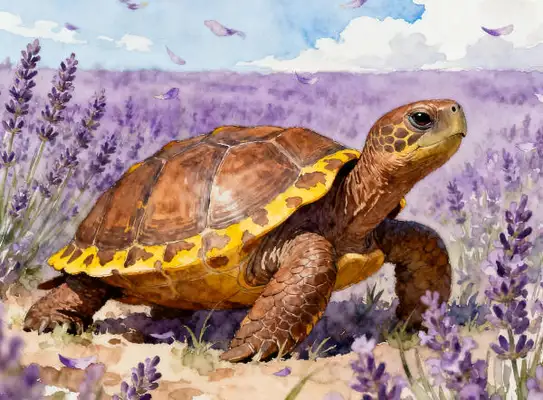
The content focuses on observation and assessment: At the first time after shipment, attention is given to breathing, activity level, appetite, excretion, state of skin and shell, etc., to timely recording of abnormal signals. The stress may be manifested in unwillingness to move, constriction, food denial, defecation, excretion. Environmental stability: Reduce stimuli (sound, light, vibrations) and as much as possible rest animals in familiar environments, creating a quiet, strong hideout area. Nutrition and water: Initially, the objective is to avoid forced or severe feeding and to ensure sufficient moisture to prevent dehydration. Medical coordination: Veterinary doctors should be consulted as soon as possible in the event of persistent food denial, diarrhoea, respiratory difficulties, resistance to arrest and a marked loss of weight, and medical examinations, parasitic screening and targeted treatment should be conducted as necessary. Behavior and rehabilitation: to help the reptile gradually restore trust in the environment and avoid excessive irritation through mild lighting, appropriate activity and interaction with hiding places. Recording and signaling: Establish day/week log sheets, focus on weight, feeding, excreta, activity level, environmental parameters, etc., early detection of anomalies and adjustment of strategies.
Recommended measures for physical environment and placement: 24 to 48 hours after transport, priority is given to establishing stable distribution of hot, hot and cold zones, ensuring cover and reducing exposure. Lights and the rhythm of day and night are as consistent as possible with the home environment, avoiding abrupt changes in the intensity or duration of the light. Temperature and atmosphere: the reference species base range is primarily stable and gradually fine-tuned. Land-based creeping is usually sensitive to temperature gradients, and humidity needs to be maintained at levels that can help skin sting and comfort. Drinking water and feeding: initially, water is divided into mains, and when necessary drip irrigation or spray is used to increase environmental moisture and promote natural drinking water and intake desires. Gradually introduce digestible, acceptable and small quantities of food, avoiding a one-time high level of feeding. Note the colour, form and frequency of excreta as an important signal in the recovery process. Medical strategy: in cases of persistent food denial, loss of weight, deterioration of breathing or diarrhoea, timely access to medical care, treatment of illnesses under veterinary guidance, and avoidance of self-use. Behavior adaptation and rehabilitation training: use of low-intensity activity incentives such as slow movement, short-range exploration, no constraints on activity and respect for rest and recuperation rhythms. Recording and early warning: Establish a simple diary or form to record weight, feeding, defecation, activities, environmental parameters and treatment measures to facilitate subsequent adjustments.
Phase 0-24 hours of a complete response (phased, directly implementable): placement and assessment immediately places reptiles in quiet areas and minimizes the number of moves. Set a stable environment: temperature zone, heat source, light cycle, covert area; record temperature, humidity, long light. Initial observations and records are made to ensure that clean drinking water and a small amount of readily available food are available. Enhanced water supply: application of spray or drip aid to avoid dehydration.
Phase 24-72 hours: Initial recovery and feeding tests continue to maintain environmental stability and gradually confirm baseline humidity. Temperature feeding tests are carried out to give small amounts to observe reactions and digestion; if refused, water recharge and inducing strategies are used. Weight changes and excreta are recorded and, in case of anomalies, adjusted and the vet is informed in a timely manner.
Phase 3-7 days: Gradual feeding and activities gradually increase the level of feeding in response, but are still premised on no stress. The daily fixed light and rest rhythms are maintained, allowing short periods of exploration and light activity and avoiding forced sports. Weight and excretion continue to be monitored, and medical treatment should be sought as soon as possible if body weight continues to decline.
Phase 1-2 weeks: Stable signals and behaviour return to close to the old diet, ensuring a steady body weight and a pattern of faeces. Increased time and distance from environmental exploration, without creating pressure, will help re-establish environmental familiarity. If conditions are met, minor behavioural training and interaction are conducted to reduce stress.
Phase 2-4 weeks: Gradually returning to the conservation rhythm of the native area as close to normal maintenance weight, diet, excreta and activity levels are approaching normal levels. Regular health checks continue, and routine health care, such as vaccinations, parasitic screening, etc., is provided when necessary. Maintaining a stable environment and day-to-day care and avoiding abrupt and drastic adjustments.
Emergency signals and responses continue to be denied food for more than seven days, with marked loss of body weight, respiratory difficulties, persistent diarrhoea, dehydration symptoms, shell or skin anomalies, etc., and should immediately contact the veterinary doctor, suspend all restorative feeding, and conduct professional assessments and treatment.
Practical recommendations for monitoring and documentation include the establishment of simple daily log cards: date, time, weight, feeding, excreta, activity level, environmental parameters (temperature, humidity, long light) and measures taken. The cycle is “observation-action-review”: daily observation adjusts feeding and the environment and gradually validates its effects. In case of persistent anomalies, consult the veterinary doctor in two ways: actual data and behaviour/symptomatic description.
Remember that post-shipment recovery is a phased, individualized process. The tolerance and recovery rates of different species and individuals vary widely. Maintaining patience, respecting the tempo of reptiles and gradually establishing stable living environments and feeding programmes usually significantly improves the quality and speed of recovery. If there is any doubt or an emergency, seek assistance from a professional veterinarian as soon as possible.