Designation: PET5507
English name: African Grey Parrot
Origin: Overview of African grey parrot species
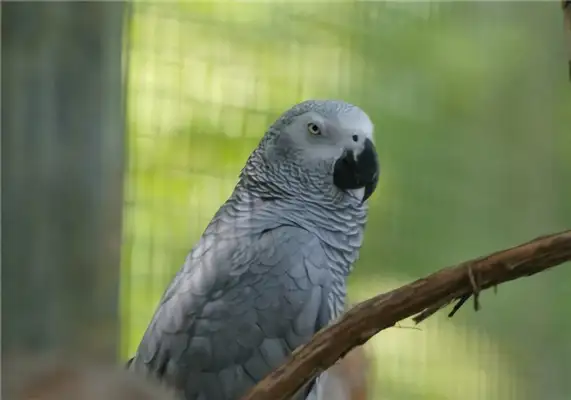
African macaws belong to large parrots and are typical of climbing birds. African grey parrots are known to be one of several animals that can actually talk to humans, so they are very well known.
Chinese literary name: African grey parrot
Latin name: Psittacus erithacus
Don't call it a grey parrot.
Context: Animals
Gate: Pipeline gate
Programme: Birds
Look: Parakeet.
Section: parrots
African parrots
From Psittacus
African grey parrot species
Asian: 2
Named by Linnaeus, 1758
English name: Grey Parrot
English name: African Grey Parrot African Parrot
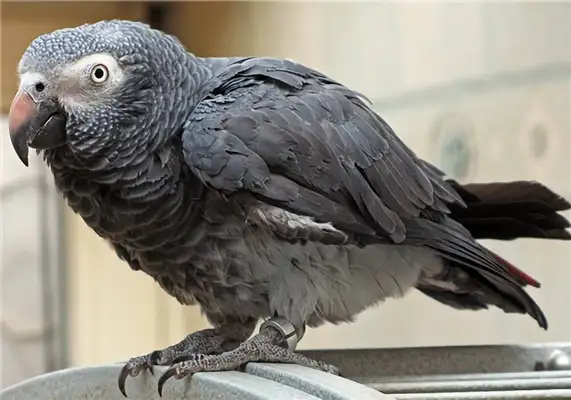
The African grey parrots have a high level of speech and are one of several known animals that can really talk to humans. They are talented and have a very high IQ, and are therefore very well known.
African grey parrots are 33-41 cm long, weigh 480-560 g and have an average life of about 50 years. Large parrots, short tails, round head, face minister hair, gliding, bad flying. The body is grey in its depths, with a thin white skin around the eye of the face; grey feathers on the head and neck have light grey sides and gray feathers on the abdomen have dark sides; the main flying feathers are black; the tail feathers are red; and the beaks are black, iris yellow. At the tip of the plume, the plume is black and the iris is gray and becomes yellow with age. The African parrots in the Nigerian region are generally in a deep color.
Female-male resolution method: Larger head, slightly sharpened on both sides of the eye angle, narrower female opposite head, rounder eye. There are two sub-species: the African grey feathers on Psittacus erithacus eritacus, the red tail feathers and the black beaks; and the psittacus erithacus timneh, the African grey parrot, whose appearance is almost identical to that of the named sub-species, but which are significantly smaller, with darker silver feathers, red feathers, pink tans on the tails, red beaks on the beaks, and a more active sexual character, which is less shy than that. African grey parrot breeding environment
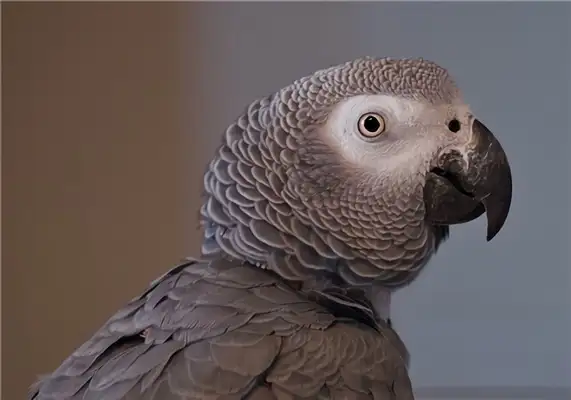
African macaws are a popular parrot, and they are one of several known animals that can really talk to humans. Parrots have a history of raising as pets longer than dogs and cats, so what are the environmental aspects of raising an African grey parrot?
African grey parrots that have just been introduced to breed are usually very nervous and uneasy, especially in the wild. Often very anxious, with longer time to adapt to the new environment, are the quieter types of big and medium parrots, which are less noisy if they are not often disturbed, but parrots are also one of the more likely types of parrots to grow up to the vices of parrots. Boring, anxiety, lack of care, smallness of space, stress, and nutritional imbalance can lead to plume extraction, with more attention and care on the part of the feeders. African grey parrots are selected to use strong metal cages and have enough space for their activities, while different types of toys are prepared to satisfy their curiosity and help to absorb their time, reducing their agitation in cages and avoiding twitching. African grey parrot feeding point
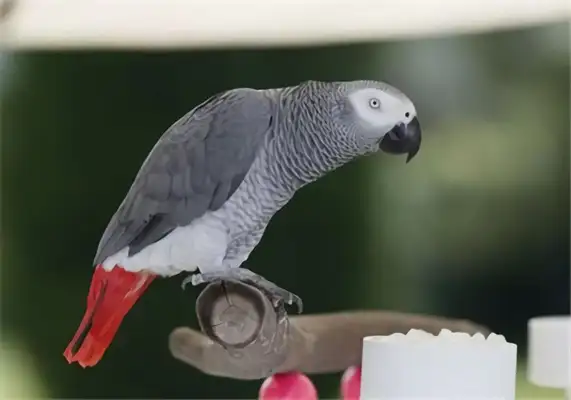
African macaws are one of the most visible pet birds, mainly in Africa, and what they feed when they are raised by large parrots is also important.
African grey parrots need to be provided with a balanced supply of vegetables, fruits, seeds, nuts and cereals, especially calcium intake, with vitamin supplements added to their daily lives. In addition to providing food for balanced nutrition, calcium supplementation is particularly important, as they are sexually jealous, shy, wanted to be valued, and should be given a large number of toys and enough time to accompany them if they are cold, bored and feel frustrated for a long time, which can easily lead to a psychosis of abdomen.