Designation: PET3352
English name: Blue high-head fish
National origin: China
Vulnerability to diseases: fish plague, white cloud disease, skin disease, rotting tail disease, etc.
Life: 4-5-year profile of blue head varieties
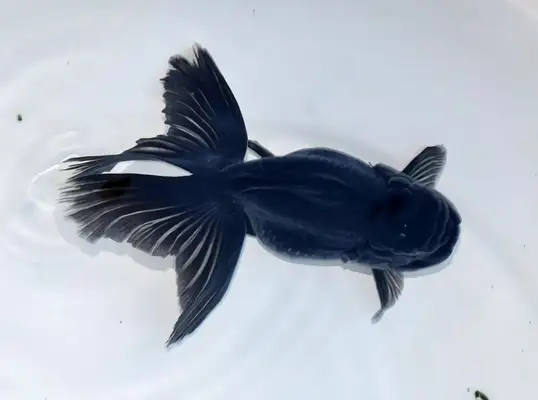
Blue heads are also a species of goldfish, and their greatest characteristic is that they are all blue or blue light, very special, so they're very popular with fish friends. And since blue heads are a goldfish species, their breeding is less difficult and their water quality is not demanding.
English name: Blue high-head fish
Type: Goldfish, temperate freshwater fish
Origin: China
Reproduction: Eggs
Water quality: poor water quality
difficulty of raising: easy
Fits to water temperature: 10-28°C blue-head exterior
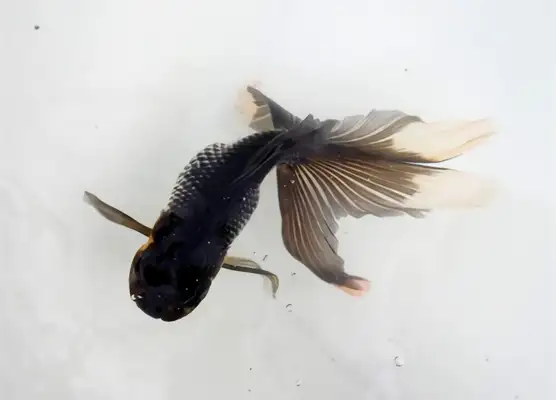
The shape of the blue head is very special. It's all blue and blue. And because blue heads are unique in color, they are very popular with goldfish lovers, and blue heads belong to a goldfish breed, so they are also easier to feed.
The goldfish species have blue carcasses on their heads, abdomen, and an open end. Young fish are darker in blue and sometimes shallower when they become fish. The blue head is very gentle, and there is no big goldfish chase. Except for the breeding season, all shapes can be mixed with goldfish of all colours. Blue head breeding environment
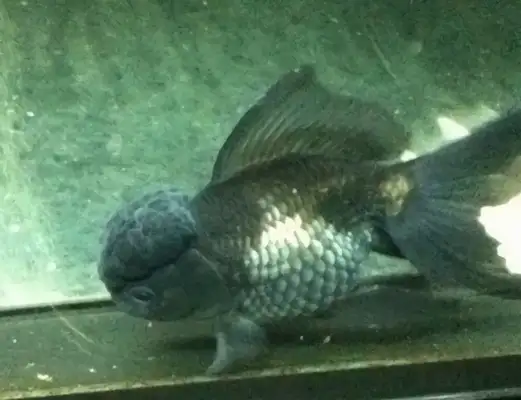
It is not difficult to raise blue heads, because they are a species of goldfish, so they are also thermogenics that can accept water temperatures of 10-28°C. It is important to note that water temperatures cannot change dramatically, otherwise blue heads cannot withstand.
How the goldfish breeds blue-headed goldfish can be fed, and domestic food can be used for goldfish cisterns, such as large-scale breeding and breeding of goldfish for play, large containers, artificial reservoirs, etc., goldfish, groundwater such as well water springs, and running water. Rivers, lakes, moderate water, higher nutrients.
Goldfish must be planned for them, whether they are gardeners, fish farms or individual professional households, to establish goldfish breeding grounds, water sources or power sources, and even if goldfish lovers build small fish pools in the garden, design must be tailored to their local design. Since the selection of sites and water sources for goldfish breeding can have a direct impact on the growth and development of goldfish and on future scientific and technological management, it is important to have prior and comprehensive exploration and planning. Blue head feeding point.
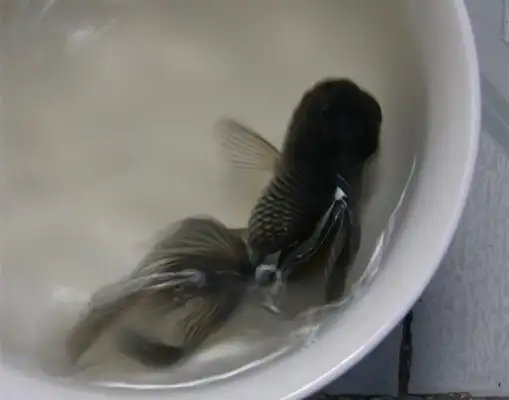
It is important to raise the blue head, not only to pay attention to the quality of the water in the rearing process, but also to feed the blue head, how to select a healthy feed for the blue head and how to balance the blue head. Blue-headed fishworms, minnows, earthworms, granular feed, etc. can be fed.
The blue head, though a fully domesticated, predatory fish, is, like other fish such as the catfish, the rational choice of feed, and the correct feeding can have a direct impact on the growth and development of the blue head, the depth and beauty of its colour, the appearance of its characteristics, its abundance, and the number, incubation and resistance to the blue head. Thus, there must be nutritious proteins, fats, carbohydrates, vitamins and a certain amount of inorganic salts and trace elements in the feed of blue heads. For example, in other identical situations, where red insects are able to feed enough fresh and living daily, fish growth is particularly strong, especially when features such as lion heads, water bubbles (meaning carcasses and bubbles) are more developed, perhaps because of the abundance of animal proteins, fats, carbohydrates and other nutrients in the red infestation.